
The Ultimate Guide to Indoor Dog Training Facilities
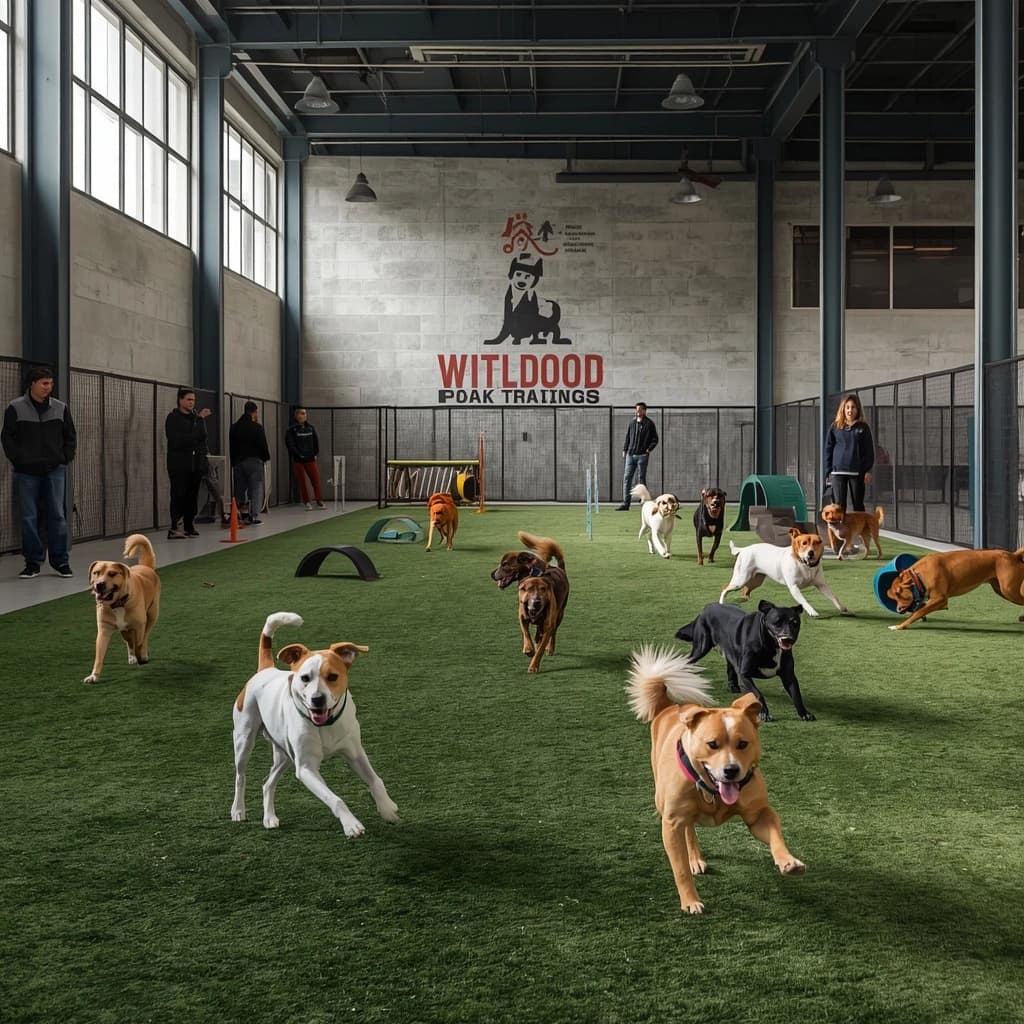
Training your dog is one of the most rewarding investments you can make as a pet parent. However, outdoor parks and public spaces often introduce unpredictable weather and uncontrollable distractions. That is why a dedicated indoor dog training facility is rapidly becoming the gold standard for canine education.
Table of Contents
Why Choose an Indoor Training Facility?
Indoor facilities provide a controlled, purpose-built environment that maximizes learning retention for both you and your dog. When a dog is trying to learn a new behavior, minimizing environmental variables is crucial.
- Year-Round Consistency: Extreme summer heat, freezing winter temperatures, or heavy rainfall can disrupt a training schedule for weeks. Climate control guarantees consistency.
- Controlled Distractions: Public parks are filled with squirrels and traffic. Indoor facilities allow dogs to learn foundational mechanics in a low-stress zone.
- Specialized Flooring: Reputable centers utilize high-density EVA foam or compressed rubber, protecting joints during high-impact sports like agility.
"A consistent, distraction-free environment is the foundation of all successful canine behavioral modification."
Find Indoor Training Facilities Near You
Search our directory for climate-controlled training centers in your area.
Comparing Types of Training Programs
Facilities often host a variety of specialized classes. Below is a breakdown of the most common programs you'll find, helping you decide which is right for your dog.
| Program Type | Core Focus | Best For | Physical vs. Mental |
|---|---|---|---|
| Puppy Socialization | Bite inhibition, positive exposure to novel stimuli, basic handling. | Puppies under 16-20 weeks. | High Social, Low Physical |
| Basic Obedience | Foundational cues: sit, down, stay, recall, and loose-leash walking. | Adolescents and newly adopted rescue dogs. | High Mental, Low Physical |
| Agility & Sports | Navigating obstacles, jumps, tunnels, and weaves via handler cues. | High-energy working breeds (Border Collies, Aussies). | High Physical, High Mental |
| Behavior Modification | Desensitization and counter-conditioning for reactivity, fear, or aggression. | Dogs needing 1-on-1 expert intervention. | High Mental, High Stress |
Featured Indoor Training Facilities
To help you get started, here are some of the top-rated indoor training facilities from our national directory:
A Bark Away NJ
A Bark Away NJ in Jersey City offers a versatile and modern approach to canine care, specializing in balanced training programs that seamlessly integrate into the busy lifestyle of urban pet parents. Founded by certified trainer Criselda Quan, this service provides a wide range of options from foundational puppy training to advanced behavior modification. Their philosophy is rooted in a structured and compassionate methodology, aiming to build a common language of trust between dogs and their owners. One of their most unique offerings is the 'Bark Pack Walk,' a three-hour social and educational experience that includes complimentary pick-up and drop-off. These supervised group sessions are designed to provide both physical exercise and mental stimulation, allowing dogs to practice polite leash behavior and social impulse control in a real-world park setting under the guidance of a professional trainer. For owners seeking more intensive support, A Bark Away NJ provides immersive 'Board & Train' programs for three to five weeks, focusing on deep-seated behavioral issues and elite-level obedience. They also offer a flexible 'Drop-Off Training' service for busy weekdays, where dogs work on focus and manners at the trainer's location before returning home in the evening. For those who prefer to be directly involved, their 'Bark Home School' and private in-home sessions offer personalized coaching in the dog's own environment, addressing everything from potty training to separation anxiety. The service also includes loving and reliable pet sitting, providing a specialized 'Meet and Greet' to ensure every guest is comfortable before an overnight stay. With a commitment to clear communication and long-term results, A Bark Away NJ delivers a verified, high-touch training solution that transforms the way humans and dogs live together in the Jersey City community. Whether you are looking for a routine of spirited pack walks or seeking a total behavioral overhaul, Criselda's expert team treats every dog with the individualized logic and love they deserve.
A Dogs Life Training and Education LLC
Pet parents in Santa Teresa rave about A Dogs Life Training and Education LLC. What makes this Dog facility special is its spacious play areas, safe environment. The staff's dedication to creating a positive experience for both dogs and their owners is evident in every visit. For more information, call (915) 861-7545.
A New Life Dog Training
North Carolina pet parents in Goldsboro choose A New Life Dog Training for premium care. This facility features modern training facilities, experienced and certified staff, offering pet care. Their services creates a safe, climate-controlled environment. conveniently located in the heart of Goldsboro. Discover why Goldsboro pet parents choose A New Life Dog Training
Deep Dive: Specialized Training Topics
Looking for highly specific training environments? Explore our focused training clusters to find facilities tailored precisely to your dog's needs:
Puppy Socialization Classes
Complete guide to finding the best socialization classes for your puppy's critical development window.
Puppy Obedience Training Costs
Complete 2026 cost guide for puppy obedience training - what to expect and how to budget.
Agility & Sports Training
Discover arenas equipped with professional regulation obstacles.
Behavior Modification
Find facilities specializing in reactivity, fear, and aggression rehabilitation.
See agility training in action
How to Evaluate a Training Center
The dog training industry is largely unregulated. When selecting an indoor facility, it is critical to evaluate their expertise and health protocols to ensure a safe environment.
1. Verify Trainer Certifications
Look for facilities employing trainers with recognized, independent certifications. The Certification Council for Professional Dog Trainers (CCPDT) offers the CPDT-KA credential, requiring rigorous examination. These certifications indicate a commitment to modern, science-based, positive reinforcement methods.
2. Facility Health & Safety Protocols
According to the American Veterinary Medical Association (AVMA), communal dog environments carry a risk of infectious disease transmission. Top-tier facilities utilize MERV-13 air filtration or commercial-grade UV-C air purifiers to actively reduce airborne pathogens.
3. Essential Training Equipment
Quality indoor training facilities invest in professional-grade equipment that enhances learning outcomes and ensures safety. Here's what to look for:
- Agility Equipment: A-frames, dog walks, teeter-totters, weave poles, tunnels, and jumps should be competition-grade and properly maintained.
- Training Platforms: Elevated platforms and target mats help teach positioning and stay behaviors with clear visual boundaries.
- Scent Work Supplies: Scent boxes, odor vessels, and search areas for nose work and tracking exercises.
- Balance & Core Equipment: Balance discs, wobble boards, and fitbones for proprioception and core strengthening.
- Clickers & Markers: Professional training tools for precise timing and positive reinforcement.
4. Understanding Training Costs
Training costs vary significantly based on program type, duration, and instructor expertise. Here's a general breakdown:
Group Classes
$150-$300
6-8 week course
Private Sessions
$75-$150
Per hour session
Board & Train
$1,500-$5,000
2-4 week program
Puppy Packages
$200-$500
Complete socialization
Frequently Asked Questions
What age should I start training my puppy?
Start as early as 8 weeks old! The critical socialization window is 8-16 weeks. Puppy socialization classes can begin after the first round of vaccinations. Early training prevents behavioral issues before they start.
How long does it take to see results?
Basic obedience typically shows results within 4-6 weeks of consistent practice. Complex behaviors like agility or behavior modification may take 3-6 months. Consistency at home is just as important as class attendance.
Do indoor training facilities require vaccines?
Yes. Reputable facilities require proof of Rabies, DHLPP (Distemper/Parvo), and Bordetella. Puppies are generally allowed to attend socialization classes after their first round of core vaccines.
Is agility training only for high-energy dogs?
Not at all. While high-energy working breeds excel at it, agility is a fantastic confidence-building exercise for shy dogs and a great bonding activity for any healthy breed.
What should I bring to my first training class?
Bring your dog's vaccination records, a well-fitted collar or harness, a 6-foot leash (no retractables), high-value treats, and a positive attitude. Most facilities provide water bowls, but check ahead.
Can I observe a class before enrolling?
Absolutely! Reputable facilities welcome prospective clients to observe classes. This lets you see the training methods, instructor style, and facility cleanliness firsthand before committing.
Ready to Start Training?
Use our comprehensive directory to find top-rated, climate-controlled indoor training facilities in your local area. Filter by amenities, read reviews, and book your first class today.
Search for Training Facilities Near Me