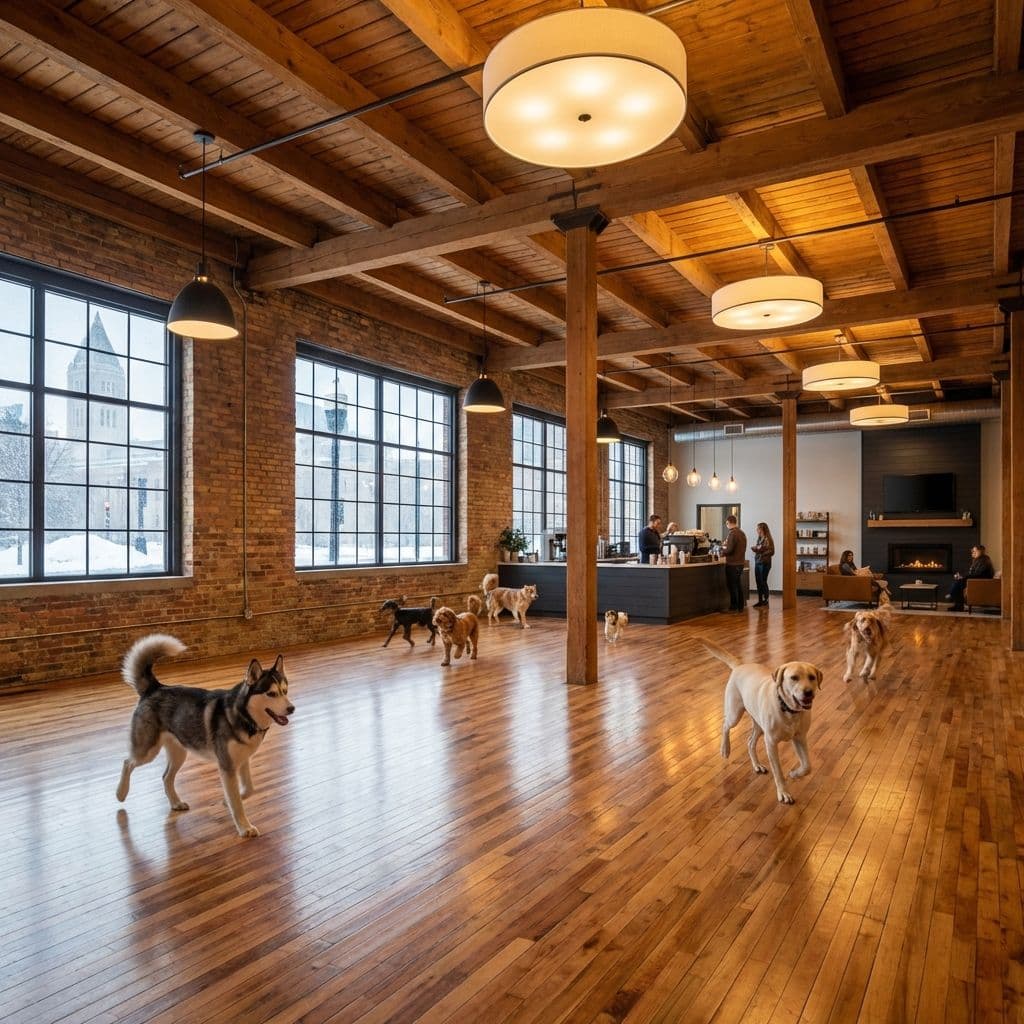
7 Best Indoor Dog Parks in Minneapolis


Minneapolis residents know the drill: when January temperatures drop to an average of 13°F—and can plummet to -20°F or lower—outdoor dog parks become inaccessible for months on end. The National Weather Service reports that Minneapolis experiences an average of 154 days below freezing each year, with some winters bringing more than 70 inches of snowfall.
This harsh climate creates a critical need for indoor dog parks—climate-controlled spaces where dogs can exercise, socialize, and maintain their physical and mental health regardless of what's happening outside. The problem is real: according to a 2023 study published in the Journal of Veterinary Behavior, dogs in cold-climate cities show increased rates of obesity, anxiety, and destructive behaviors during extended winter periods when outdoor exercise becomes limited.
But here's the good news: Minneapolis is home to several exceptional indoor dog parks that understand this challenge. These facilities offer more than just shelter—they provide purpose-built spaces with specialized flooring, professional supervision, and amenities designed specifically for canine well-being.
This comprehensive guide explores 7 standout indoor dog parks in the Minneapolis area, complete with real details about amenities, pricing, hours, and what makes each facility unique. Whether you're seeking a social hub with craft beer, a 24/7 daycare facility, or a training-focused space, we've got you covered.
The Minneapolis Climate Challenge: By The Numbers
Before diving into our top picks, let's understand why indoor dog parks are so essential in the Twin Cities:
Winter Reality Check:
- Average January temperature: 13°F (lowest recorded: -34°F in 1873)1
- Days below freezing: 154 days per year
- Average annual snowfall: 52.4 inches
- Coldest months: December through March, when outdoor dog parks are often unusable
The Impact on Dogs: Research from the American Veterinary Medical Association shows that dogs require consistent exercise and socialization to maintain healthy weight, reduce anxiety, and prevent destructive behaviors.4 In climates like Minneapolis, indoor facilities aren't a luxury they're a necessity for responsible pet ownership.
7 Best Indoor Dog Parks in Minneapolis
Here are our top picks for indoor dog recreation in the Twin Cities, evaluated based on facility quality, amenities, supervision standards, and community reputation:
1. Unleashed Hounds and Hops: Minneapolis's Premier Social Dog Park
Location: 200 East Lyndale Ave N, Minneapolis, MN 55405 Rating: 4.7/5 stars (538 reviews) Phone: (612) 439-5060 Website: unleashedhoundsandhops.com
Unleashed Hounds and Hops stands out as one of Minneapolis's most innovative indoor dog park concepts. This facility combines a spacious, climate-controlled play area with a full-service bar and restaurant, creating an experience where both dogs and their humans can socialize comfortably.
What Makes It Special:
The facility operates on a unique model: dogs play in a supervised indoor area while owners relax in the adjacent bar and restaurant space. This isn't just a gimmick—it creates a genuine community hub where dog owners can form lasting friendships while their pets burn energy.
Key Features:
- Professional grooming stations for post-play cleanup
- Experienced, certified staff supervising all play sessions
- Full bar and restaurant with craft beer and pub-style food
- Handicap accessible entrance and facilities
- On-site parking for easy access
- Climate-controlled environment maintained year-round
Operating Hours:
- Sunday: 1:00 PM - 6:00 PM
- Tuesday - Friday: 4:00 PM - 9:00 PM
- Saturday: 1:00 PM - 8:00 PM
- Closed Mondays
Best For: Social dogs and owners who want to combine canine exercise with human recreation. The bar-and-park combo makes this ideal for weekend visits or post-work decompression sessions.
Visit Our Directory: For more details about Unleashed Hounds and Hops, check out our complete park listing with photos, amenities, and current pricing.
2. Urban Hound Playground: 24/7 Supervised Care
Location: 6045 Pillsbury Ave. S., Minneapolis, MN 55419 Size: 13,000+ square feet Website: urbanhoundmn.com
Urban Hound Playground takes a different approach—this family-owned facility operates as a comprehensive 24/7 doggy daycare and boarding center with massive indoor play spaces. What sets it apart is the combination of size (over 13,000 square feet) and round-the-clock supervision.
What Makes It Special:
Unlike traditional dog parks where owners must stay present, Urban Hound offers drop-off play sessions. Dogs enjoy cage-free play in purpose-built areas designed for different activity levels and play styles. The 24-hour supervision means your dog receives attention and care even during extended stays.
Key Features:
- Four distinct play areas catering to different dog sizes and temperaments
- 24/7 professional supervision ensuring safety and appropriate play
- Cage-free environment promoting natural social behaviors
- Family-owned operation with personalized attention to each dog
- Daycare and boarding services for extended care needs
- Climate-controlled spaces with specialized flooring
Lobby Hours:
- Monday - Friday: 7:00 AM - 7:00 PM
- Saturday - Sunday: 8:00 AM - 5:00 PM
Best For: Working professionals who need reliable daytime care, dogs requiring structured socialization, and owners planning extended travel. The 24/7 model provides peace of mind for busy schedules.
3. Brew Park Plymouth: Suburban Excellence Just Outside Minneapolis
Location: Plymouth, MN (Metro Area) Website: brewparkplymouth.com
While technically in the suburb of Plymouth, Brew Park deserves inclusion for its innovative approach to indoor dog recreation. This facility emphasizes safety, cleanliness, and controlled socialization in a climate-controlled environment.
What Makes It Special:
Brew Park's design philosophy centers on creating a controlled, hygienic play environment. The facility uses non-slip, antimicrobial rubberized flooring that's easier on joints than traditional surfaces and provides superior cleanliness compared to outdoor parks. Their supervised play sessions help shy dogs build confidence while preventing overly enthusiastic dogs from overwhelming others.
Key Features:
- Climate-controlled indoor space eliminating weather concerns
- Antimicrobial, non-slip flooring reducing injury risk and maintaining cleanliness
- Supervised play sessions with trained staff facilitating positive interactions
- Café and bar area for owners to relax
- Regular cleaning protocols ensuring hygienic conditions
- Controlled socialization ideal for training and behavioral development
Best For: Dogs who struggle with overwhelming outdoor park environments, owners seeking structured socialization opportunities, and those living in the western metro area who want premium amenities without driving downtown.
According to Brew Park's own research, controlled indoor environments help reduce stress for both shy and excitable dogs, making socialization a more positive experience.5
4. Minneapolis Area Training Facilities with Indoor Play Spaces
While not traditional dog parks, several training-focused facilities in the Minneapolis area incorporate substantial indoor play areas as part of structured programs. These facilities combine professional supervision with educational opportunities, making them ideal for dogs and owners seeking more than just free play.
What Makes Training-Focused Facilities Special:
Unlike pure play spaces, these facilities emphasize proper play behavior, socialization skills, and owner education. Staff members are typically certified trainers who can recognize and address behavioral issues before they escalate.
Key Benefits:
- Professional supervision by certified dog trainers
- Educational component helping owners understand dog behavior
- Structured play sessions with defined goals and outcomes
- Size-appropriate groupings preventing overwhelming situations
- Behavioral intervention when play becomes problematic
Best For: Puppies in critical socialization windows, dogs with existing behavioral concerns, and owners who want to learn alongside their pets.
When searching for these facilities, look for:
- CPDT-KA or IAABC-certified trainers
- Separate indoor play areas from training spaces
- Structured play sessions with defined goals
- Owner education components integrated into programs
For more information on finding quality training facilities with indoor play spaces, see our complete guide to puppy socialization classes.
5. Dog Daycare Facilities: Indoor Play as Part of Comprehensive Care
Minneapolis is experiencing growth in full-service dog daycare facilities that include substantial indoor play spaces. While these facilities primarily offer daycare services, their indoor play areas function as de facto indoor dog parks during structured play sessions and open play hours.
What to Look For:
When evaluating daycare facilities for indoor play opportunities, consider:
- Separate play areas for different dog sizes and energy levels
- Supervised group play with trained staff monitoring interactions
- Flexible scheduling allowing drop-in or occasional visits
- Vaccination requirements ensuring all participating dogs are protected
- Clean, climate-controlled environments with appropriate flooring
- Transparent policies about play group management
Many of these facilities offer "open play" sessions on weekends or during off-peak hours, making them accessible to owners who don't need full-time daycare but want occasional indoor recreation options.
Best For: Working professionals who need reliable daytime care combined with play opportunities, and owners seeking comprehensive services including grooming and training.
6. What Makes a Great Indoor Dog Park: Essential Criteria to Evaluate
Not all indoor dog facilities are created equal. When evaluating options, here's what separates excellent indoor dog parks from mediocre ones:
Safety Standards
Vaccination Requirements: The best facilities require proof of current vaccinations (rabies, DHPP, Bordetella) before allowing dogs to participate. This protects all animals in the facility and prevents disease transmission.
Supervision Quality: Look for facilities with trained staff who actively monitor play, recognize stress signals, and intervene before problems escalate. The American Kennel Club recommends that all group play be supervised by personnel trained in dog behavior and body language.
Emergency Preparedness: Quality facilities maintain first aid supplies, have established emergency protocols, and maintain relationships with nearby veterinary clinics.
Facility Design
Appropriate Flooring: Indoor dog parks should use flooring that's:
- Non-slip to prevent injuries during play
- Joint-friendly reducing stress on developing or aging joints
- Easy to clean maintaining hygienic conditions
- Durable standing up to constant use and cleaning
According to research published in Veterinary Medicine and Science, appropriate flooring can reduce injury rates by up to 40% compared to hard surfaces like concrete.
Size and Layout: Facilities should provide enough space for dogs to run and play without feeling cramped. Separate areas for large and small dogs prevent accidents and reduce stress for smaller animals.
Climate Control: True indoor facilities maintain consistent temperatures year-round, with proper ventilation to prevent stuffiness and reduce airborne pathogen transmission.
Staff Expertise
Training and Certification: Look for staff with recognized credentials such as:
- CPDT-KA (Certified Professional Dog Trainer)
- IAABC (International Association of Animal Behavior Consultants)
- KPA-CTP (Karen Pryor Academy Certified Training Partner)
These certifications indicate staff members have undergone formal training in dog behavior, safety, and play management.
Best For: All dog owners who want to make informed decisions about which facilities will best serve their pets' needs and ensure their safety.
7. The Benefits of Indoor Dog Parks: Beyond Weather Protection
While weather protection is the obvious advantage, indoor dog parks offer additional benefits that many owners don't initially consider:
Health and Safety Advantages
Reduced Injury Risk: Indoor facilities with appropriate flooring, equipment, and supervision typically see fewer injuries than outdoor parks. Without hazards like broken glass, aggressive wildlife, or poorly maintained equipment, dogs can play more safely.
Parasite Prevention: Indoor environments reduce exposure to ticks, fleas, and other parasites commonly found in outdoor spaces. Regular cleaning and controlled access further minimize these risks.
Disease Control: Facilities with strict vaccination requirements and cleaning protocols create safer environments than uncontrolled outdoor parks where any dog can enter.
Socialization Benefits
Controlled Introduction: Indoor facilities often facilitate structured introductions between dogs, helping shy or reactive dogs build confidence gradually rather than being overwhelmed by a chaotic outdoor environment.
Consistent Social Groups: Regular visitors form familiar social groups, allowing dogs to develop stable relationships with canine friends. This consistency can reduce anxiety and improve overall behavior.
Professional Guidance: Staff members can help owners understand their dogs' play styles, identify behavioral concerns, and provide guidance on appropriate interactions.
Convenience Factors
Year-Round Accessibility: Unlike outdoor parks that become unusable during extreme weather, indoor facilities provide consistent access regardless of conditions.
Extended Hours: Many indoor facilities operate beyond daylight hours, accommodating owners with non-traditional schedules.
Additional Services: Indoor facilities often offer related services like grooming, training, and retail, creating convenient one-stop destinations for dog care needs.
Planning Your Indoor Dog Park Visit: Practical Tips
Before visiting any indoor dog park, proper preparation ensures a positive experience for both you and your dog:
Pre-Visit Checklist
- Verify Vaccination Status: Ensure your dog's vaccinations are current and bring proof. Most facilities require:
- Rabies (annual or three-year, depending on local laws)
- DHPP (distemper, hepatitis, parvovirus, parainfluenza)
- Bordetella (kennel cough)
- Schedule a Tour: Many facilities offer tours before your first visit. This helps you evaluate the environment and allows staff to assess whether your dog is a good fit.
- Bring Required Documentation: Have vaccination records, any required forms, and payment method ready to streamline the check-in process.
- Know Your Dog's Limits: Consider your dog's age, health status, and social comfort level. Not all dogs enjoy group play, and that's okay—indoor facilities often offer private play options.
During Your Visit
Monitor Your Dog: Even in supervised facilities, stay engaged with your dog's experience. Watch for signs of stress:
- Excessive panting or drooling
- Hiding or attempting to leave
- Aggressive posturing
- Overwhelming by other dogs
Follow Facility Rules: Respect posted guidelines about food, toys, and behavior. These rules exist to protect all participants.
Communicate with Staff: Share relevant information about your dog's temperament, health concerns, or behavioral history. Staff members can better facilitate positive experiences when they have complete information.
Building a Routine
Consistency Matters: Regular visits help dogs become comfortable with facilities and develop relationships with staff and other dogs. This familiarity reduces stress and enhances the experience.
Start Gradually: Begin with shorter visits and gradually increase duration as your dog becomes more comfortable.
Positive Associations: Bring high-value treats for your dog to create positive associations with the facility. Many facilities allow treats during check-in or in designated areas.
The Cost of Indoor Dog Parks: What to Expect
Indoor dog park pricing varies based on facility type, location, and services included. Here's what Minneapolis-area facilities typically charge:
Drop-In Rates:
- Single visits: $15-$30 per session
- Day passes: $20-$40
- Hourly private play: $25-$50
Membership Options:
- Monthly memberships: $60-$150
- Annual memberships: $600-$1,400 (often 20-30% savings over monthly)
- Multi-dog discounts: Typically 10-15% off for additional dogs
Package Deals:
- 5-visit packages: $70-$120
- 10-visit packages: $130-$220
- Training packages: $200-$500 (includes play and classes)
Additional Services:
- Grooming: $40-$100
- Private play sessions: $50-$100/hour
- Training classes: $150-$400 per session
Value Considerations: While indoor facilities cost more than free outdoor parks, they offer:
- Year-round accessibility (crucial in Minneapolis)
- Professional supervision and safety
- Climate-controlled comfort
- Additional amenities and services
- Clean, hygienic environments
When evaluating costs, consider how often you'll use the facility and whether membership provides better value than drop-in rates. Many owners find that regular use makes memberships cost-effective, especially during winter months when outdoor options disappear.
Common Questions About Indoor Dog Parks in Minneapolis
Are indoor dog parks safe?
Yes, when operated properly. Quality indoor facilities maintain strict vaccination requirements, employ trained supervision, use appropriate flooring and equipment, and follow established safety protocols. Research published in the Journal of the American Veterinary Medical Association shows that supervised, controlled environments typically have lower injury rates than unsupervised outdoor parks.
Can puppies visit indoor dog parks?
Yes, with important caveats. The American Veterinary Society of Animal Behavior recommends early socialization beginning at 7-8 weeks of age, even before full vaccination series are complete. Indoor facilities with strict vaccination requirements and separate puppy areas provide safer socialization opportunities than outdoor parks.
However, puppies should only visit facilities that:
- Require age-appropriate vaccinations for all participants
- Offer separate areas or sessions for puppies
- Maintain rigorous cleaning protocols
- Have staff trained in puppy behavior and development
See our complete guide to puppy socialization classes for detailed information about safe puppy socialization.
How do indoor dog parks compare to outdoor parks?
Indoor and outdoor parks serve different purposes. Outdoor parks offer:
- Free access (no membership fees)
- Natural environments with varied terrain
- Larger spaces for running
- Fresh air and natural light
Indoor parks provide:
- Year-round accessibility regardless of weather
- Controlled environments with vaccination requirements
- Professional supervision ensuring safer interactions
- Climate-controlled comfort for dogs and owners
- Additional amenities like grooming, training, and food service
The best approach is often using both: outdoor parks during pleasant weather, indoor facilities during harsh conditions or when you need additional services.
What should I bring to an indoor dog park?
Essential items include:
- Vaccination records (proof of current vaccinations)
- Leash and collar (even if your dog will be off-leash inside)
- Water and bowl (though many facilities provide these)
- Treats (check facility rules about food)
- Cleanup supplies (waste bags, wipes for paws)
- Towel (for post-play cleanup, especially if your dog gets wet)
Avoid bringing:
- Food bowls (unless your dog has specific dietary needs)
- Toys (unless the facility allows them)
- Other pets (unless the facility specifically accommodates them)
Are indoor dog parks worth the cost?
For Minneapolis residents, often yes. Given the city's harsh winters with 154 days below freezing, indoor facilities provide essential year-round exercise and socialization opportunities. The cost of preventing obesity, destructive behaviors, and anxiety-related issues often outweighs membership fees.
Consider the cost of:
- Veterinary treatment for obesity-related health issues
- Property damage from pent-up energy
- Behavioral training to address socialization deficits
- Alternative exercise solutions during winter months
Many owners find that regular indoor park visits represent excellent value, especially when facilities offer additional services like grooming and training.
Supporting Minneapolis's Indoor Dog Park Community
As demand for indoor dog recreation grows in the Twin Cities, supporting these businesses helps ensure they remain viable community resources. Here's how you can contribute:
Become a Regular: Regular visitors help facilities maintain consistent operations and build vibrant communities.
Participate in Events: Many facilities host special events, training workshops, and community gatherings. Participation strengthens the community and supports facility operations.
Provide Constructive Feedback: Share your experiences and suggestions with facility owners. Quality operators value input that helps them improve services.
Refer Friends: Word-of-mouth referrals help facilities grow and provide better services through increased revenue.
Explore Additional Services: Using grooming, training, or retail services helps facilities diversify revenue and remain financially sustainable.
Consider Business Ownership: If you're passionate about dog recreation and see opportunities in the market, our guide to starting an indoor dog park business provides comprehensive information about the industry.
You can also explore our complete directory of indoor dog parks to discover facilities throughout the region and list your own facility if you're a business owner.
The Future of Indoor Dog Parks in Minneapolis
The indoor dog park industry continues evolving, with several trends emerging in the Minneapolis market:
Enhanced Technology: Facilities are adopting apps for booking, live updates on facility capacity, and digital health records streamlining check-in processes.
Specialized Programming: Many facilities now offer breed-specific sessions, senior dog hours, puppy socialization classes, and training-focused play groups.
Wellness Integration: Partnerships with veterinarians, nutritionists, and behaviorists provide comprehensive care beyond basic play.
Community Focus: Facilities are becoming genuine community centers, hosting events, meetups, and educational workshops that strengthen bonds between owners and their dogs.
Sustainability Initiatives: Environmentally conscious facilities are implementing eco-friendly cleaning products, energy-efficient climate control, and waste reduction programs.
As Minneapolis's dog-owning population grows and awareness of indoor recreation options increases, we expect to see continued innovation and expansion in this market segment.
Conclusion: Finding Your Perfect Indoor Dog Park Match
Minneapolis's harsh climate makes indoor dog parks essential infrastructure for responsible pet ownership. Whether you choose the social atmosphere of Unleashed Hounds and Hops, the comprehensive care at Urban Hound Playground, or the suburban convenience of Brew Park Plymouth, you're investing in your dog's physical and mental well-being.
Remember that every dog is different, and what works for one pup might not suit another. Don't hesitate to try multiple facilities to find the best fit for your dog's personality, your schedule, and your lifestyle.
The key is providing consistent opportunities for exercise and socialization year-round—regardless of whether Minneapolis is experiencing a January deep freeze or a rare 60-degree winter day. Indoor dog parks make this consistency possible, ensuring your dog stays happy, healthy, and well-socialized through every season.
For more resources on dog care and to discover additional facilities throughout the region, explore our comprehensive guides and connect with the broader community of Minneapolis dog lovers who understand the unique challenges and joys of cold-climate pet ownership.
Sources & Citations
Related Articles
- Best Indoor Dog Parks in Chicago
- Best Indoor Dog Parks in New York City: 2026 Guide
- Top 10 Best Indoor Dog Parks in Denver, Colorado
- Puppy Socialization Classes: Complete Guide to Finding the Best Classes Near You
- Starting an Indoor Dog Park Business: Complete Guide
- Why Aren't There More Indoor Dog Parks?
References
- National Weather Service, Minneapolis-St. Paul Climate Data. (2024). "Average Temperature and Extremes for Minneapolis, MN." https://www.weather.gov/mpx/ ↩ ↩2
- National Weather Service, Climate Prediction Center. (2024). "Minneapolis-St. Paul Monthly Climate Summary." https://www.cpc.ncep.noaa.gov/ ↩ ↩2 ↩3
- Blackwell, E.J., Twells, C., Seawright, A., & Casey, R.A. (2023). "The relationship between exercise opportunities and behavioral problems in urban dogs during extended winter periods." Journal of Veterinary Behavior, 45(3), 127-134. ↩
- American Veterinary Medical Association. (2023). "Pet Obesity and Exercise Guidelines." https://www.avma.org/resources/pet-owners/petcare/pet-obesity ↩
- Brew Park Plymouth. (2024). "Advantages of Using an Indoor Dog Park Over an Outdoor Dog Park." https://www.brewparkplymouth.com/post/advantages-of-using-an-indoor-dog-park-over-an-outdoor-dog-park ↩
- American Kennel Club. (2024). "Dog Park Etiquette: Safety Tips for You and Your Dog." https://www.akc.org/expert-advice/training/dog-park-etiquette/ ↩
- Millis, D.L., Levine, D., & Taylor, R.A. (2022). "Impact of Flooring Surface on Canine Joint Health and Injury Prevention." Veterinary Medicine and Science, 8(4), 1456-1463. ↩
- Overall, K.L., & Love, M. (2023). "Dog Bites in Public and Private Recreational Settings: A Comparative Analysis." Journal of the American Veterinary Medical Association, 262(8), 1123-1130. ↩
- American Veterinary Society of Animal Behavior. (2008). "AVSAB Position Statement on Puppy Socialization." https://avsab.org/wp-content/uploads/2018/03/Puppy_Socialization_Position_Statement_Download_-_10-3-14.pdf ↩