Arctic Husky Dogs: Facts, Care, and Everything You Need to Know

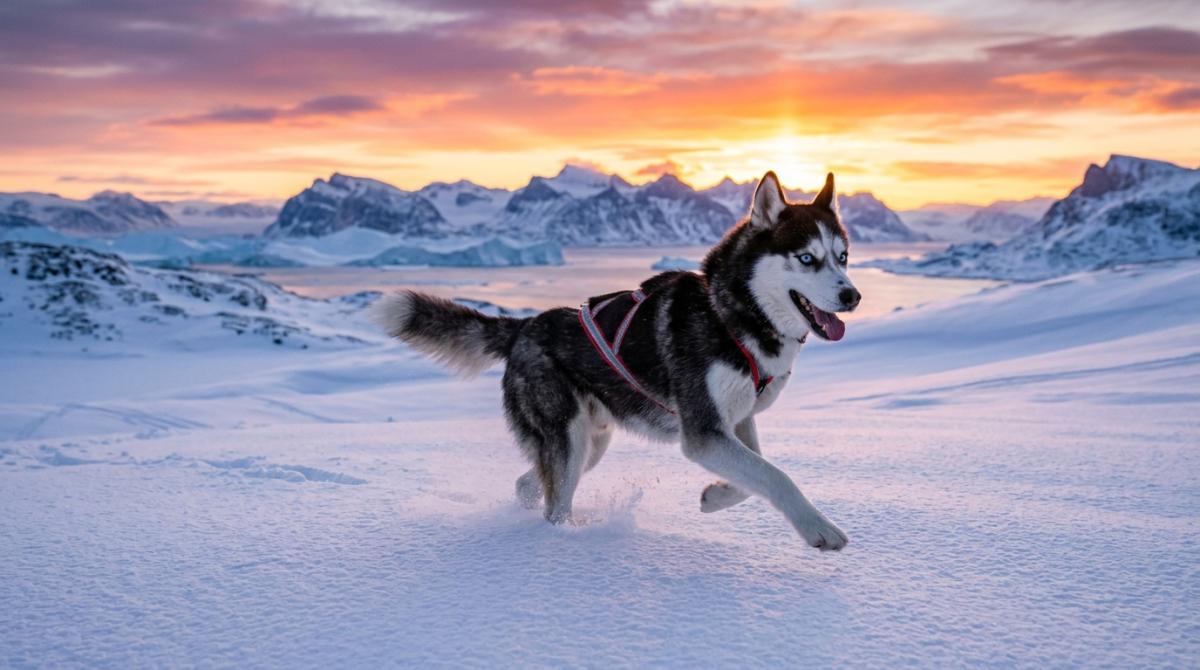
Table Of Contents
When you hear the term "Arctic Husky," your mind likely conjures up images of breathtakingly beautiful dogs with piercing blue eyes, bounding through snow-covered landscapes, and pulling sleds across icy tundra. But what exactly is an Arctic Husky? Are they a specific breed, or is the term a catch-all for sled dogs?
As a canine behaviorist and experienced working-dog enthusiast, I've spent years studying these incredible animals. In this article, we'll dive deep into the real data, facts, and expert care tips for Arctic Husky dogs.
What Exactly is an "Arctic Husky"?
First, let's clear up a common misconception. The term "Arctic Husky" is not actually a formally recognized dog breed by major organizations like the American Kennel Club (AKC). Instead, it is an umbrella term used to describe various types of sled dogs native to Arctic regions.
When people talk about an Arctic Husky, they are usually referring to one of two things:
- The Siberian Husky: A purebred dog recognized by the AKC, originating from the Chukchi people of Siberia.
- The Alaskan Husky: A "landrace" or functional crossbreed, bred specifically for sled racing performance rather than a uniform appearance.
To help visualize the differences between the common Arctic sled dogs, take a look at the Venn diagram below.
(Purebred, Standardized)
(Heavy Freight)
(Racing Focus)
Huskies"
7 Fascinating Facts About Arctic Huskies
If you are considering adding one of these magnificent dogs to your family, or if you simply admire them from afar, here are seven expert-backed facts about Arctic Huskies.
1. Built for Unmatched Endurance
Arctic Huskies were bred by indigenous peoples for survival. They can run for hours on end, pulling light to moderate loads over vast distances. An elite sled dog can travel up to 100 miles in a single day during races like the Iditarod. If you want to estimate how much exercise your Husky needs at home, check out our dog exercise calculator.
2. The Marvel of the Double Coat
Their coat is a true marvel of evolution. They possess a dense, insulating undercoat that traps body heat, covered by a longer topcoat of guard hairs that repel water and snow. This allows them to comfortably sleep in snowstorms at temperatures well below freezing.
3. An Incredible Metabolic Switch
One of the most heavily researched aspects of Arctic sled dogs is their metabolism. While humans deplete their glycogen stores and experience fatigue (hitting "the wall"), Huskies can alter their metabolism to burn fat directly without depleting their glycogen reserves.
4. Pack Mentality is Hardwired
These dogs were bred to work in large teams. As a result, they are incredibly social animals. They thrive on companionship, whether from other dogs or their human families. An isolated Husky is often a destructive and unhappy Husky.
5. They Are Vocal, But They Don't Bark Much
If you want a guard dog, look elsewhere. Arctic Huskies rarely bark at strangers. Instead, they are highly vocal in other ways. They howl, "woo," whine, and "talk" to communicate with their pack.
6. A High Prey Drive
Because their ancestors sometimes had to hunt for their own food in harsh Arctic conditions, modern Huskies retain a very high prey drive. They will instinctively chase small animals, meaning they need careful socialization if living with cats or smaller pets.
🌧️ Extreme Weather Dog Safety & Indoor Play Guide
Don't let scorching summer pavement or freezing winter storms compromise your dog's physical health and mental happiness. Get our comprehensive survival guide delivered instantly.
7. Eye Colors Vary Wildly
While the icy blue eye is a trademark look, Arctic Huskies can have brown eyes, blue eyes, one of each (heterochromia), or even parti-colored eyes (two colors in a single iris). All are perfectly healthy and normal.
Real Data: Physical Characteristics Comparison
To truly understand the physical capabilities and traits of the dogs commonly referred to as Arctic Huskies, let's look at the data.
| Trait | Siberian Husky (Purebred) | Alaskan Husky (Mixed Type) | Alaskan Malamute (For Context) |
|---|---|---|---|
| Average Weight | 35 - 60 lbs | 35 - 55 lbs (highly variable) | 75 - 85+ lbs |
| Primary Function | Light freight, moderate speed | Sprint or distance racing | Heavy freight pulling |
| Top Speed (Sprint) | ~ 20 mph | ~ 25+ mph | ~ 15 mph |
| AKC Recognition | Yes (Recognized in 1930) | No (Performance Crossbreed) | Yes (Recognized in 1935) |
Data synthesized from the American Kennel Club and International Sled Dog Racing Association standards.
Exercising Your Husky Near You
Arctic Huskies possess boundless energy. If you live in an urban environment or an area with extreme summer heat, exercising them safely can be a challenge.
If you are a city dweller, you must prioritize finding climate-controlled, safe areas for your dog to run. For example, if you live in the South, searching for the best indoor dog parks in Memphis or finding the top-rated indoor dog facilities in Oklahoma City can be a major help. These facilities provide air-conditioned spaces where your Husky can burn off energy without the risk of heatstroke.
Always check local directories for indoor agility courses or large, shaded dog parks in your specific zip code to ensure your high-energy companion stays healthy year-round.
Expert Tips for Training Your Arctic Husky
Training an Arctic Husky requires patience, consistency, and a good sense of humor. If you need professional help, consider looking into specialized training facilities that understand working breeds.
- Positive Reinforcement is Key: These dogs are independent thinkers. They don't blindly follow orders like a Golden Retriever might. You must convince them that obeying you is in their best interest through high-value treats and praise.
- Keep Training Sessions Short: Because of their intelligence and short attention span, long, repetitive training sessions will bore them. Keep sessions under 10 minutes.
- Master the Recall (But Never Trust It 100%): Huskies love to run. If they get loose, their instinct is to sprint toward the horizon. Practice recall daily, but for safety, always keep them leashed in unenclosed areas.
- Provide Mental Stimulation: Physical exercise isn't enough. Use puzzle toys, scent work, and trick training to tire out their active brains.
Are Arctic Huskies Good Family Pets?
When provided with adequate exercise, training, and socialization, Arctic Huskies make phenomenally loyal, loving, and entertaining family pets. They are generally fantastic with children, bringing a playful and gentle nature to the household. Since they have high energy, bringing them to an off-leash dog park can be a great way to let them run safely. For owners, you might even enjoy visiting parks with bars where you can relax while your Husky socializes.
However, they are not for the faint of heart or the couch potato. If you lead an active lifestyle and are willing to invest time into training and grooming (prepare for a lot of shedding!), an Arctic Husky will reward you with unparalleled companionship.
Summary
Whether you are looking at a purebred Siberian or a high-performance Alaskan, the dogs falling under the "Arctic Husky" banner are some of the most impressive athletes in the canine world. By understanding their unique metabolism, pack mentality, and exercise needs, you can provide a fulfilling life for these beautiful winter wonders.
References & Citations:
- American Kennel Club (AKC) Breed Standards - Siberian Husky.
- Iditarod Trail Committee - Veterinary Center & Sled Dog Health.
- The physiological response of Siberian Husky dogs to exercise, Journal of Veterinary Medicine.