Dog Limping: When to Visit the Vet

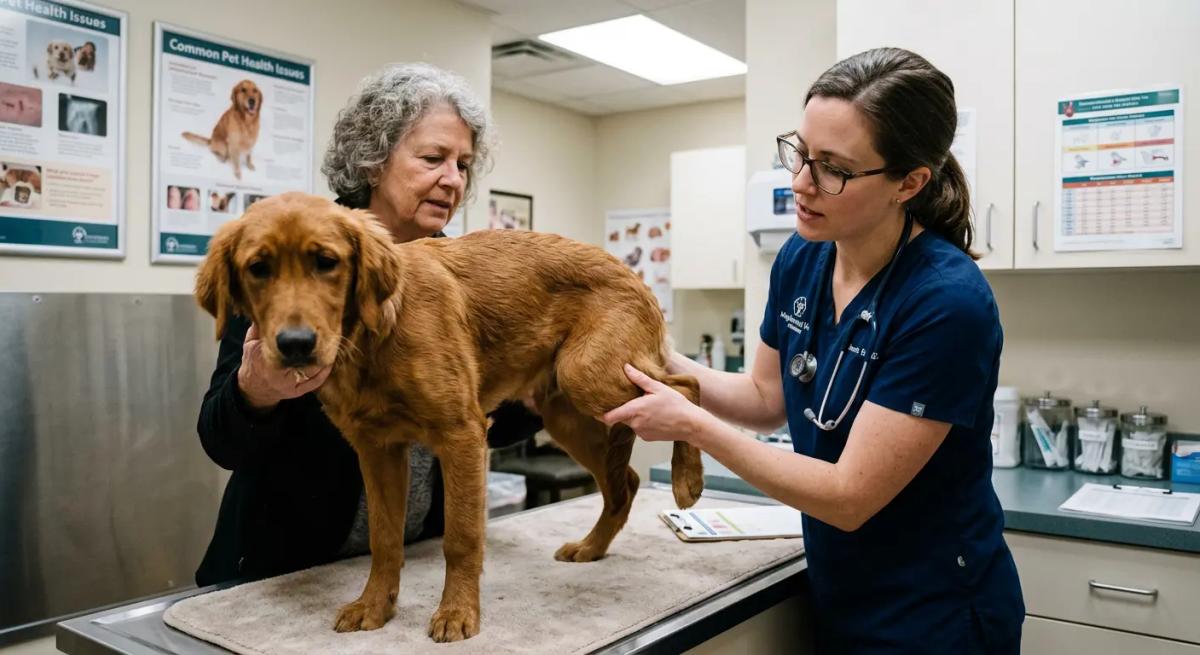
Table Of Contents
As pet parents, there's nothing quite as heart-wrenching as seeing your furry best friend in pain. One moment they're zooming around the yard or having a blast at your favorite indoor dog park, and the next, they're holding up a paw or hobbling with a noticeable limp. If you're frantically searching for "dog limping" or trying to decide if you need to rush to a local veterinarian or an emergency animal clinic near you, you're not alone.
Dog limping medically known as claudication is one of the most common reasons pet owners seek veterinary care. But when is a limp just a minor tweak, and when is it a sign of a serious injury like an ACL tear or a chronic condition like arthritis?
In this article, we'll walk you through the potential causes of your dog's limp, how to recognize an emergency, what to expect during a vet visit, and the treatments available to get your pup back on all four paws.
Common Reasons for Limping in Dogs
Limping in dogs typically falls into two categories: gradual onset (which happens slowly over time) and sudden onset (which happens immediately after a trauma or injury). Here is a breakdown of the most common reasons why your dog might be limping:
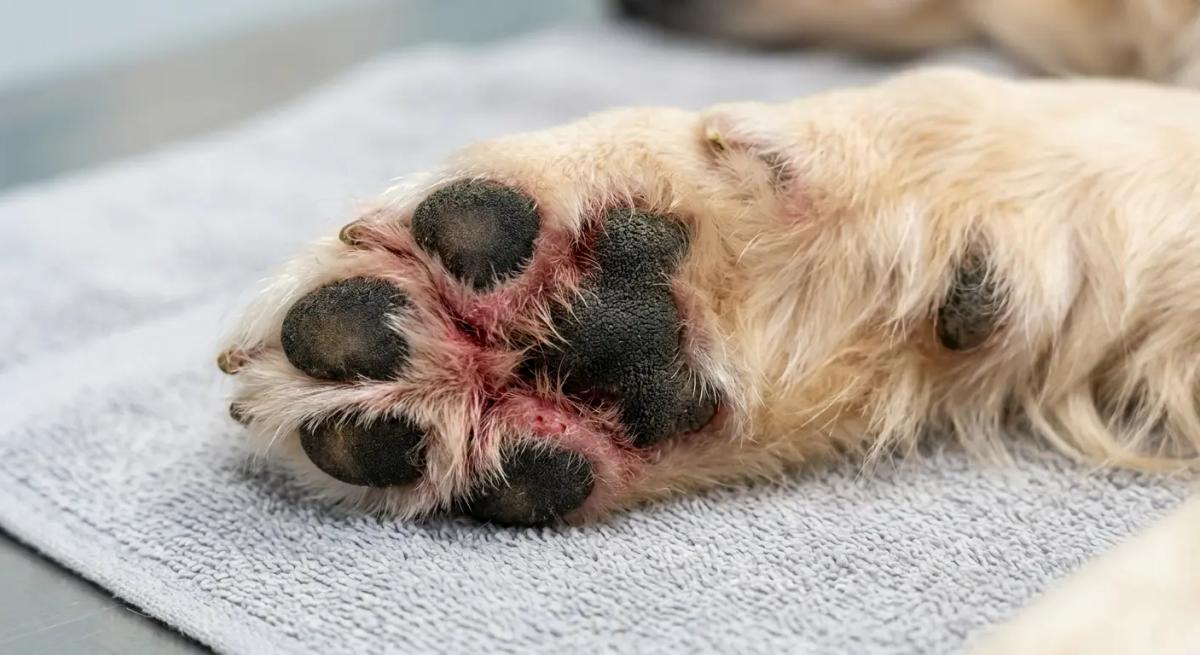
- Paw Pad Injuries and Foreign Objects: Sometimes, the simplest explanation is the right one. Your dog might have stepped on a piece of glass, a sharp thorn, or a hot pavement that burned their pads. Always check between their toes for embedded debris, burrs, or even painful insect stings.
- Sprains and Muscle Strains: Just like humans, dogs can pull a muscle or sprain a joint after an overly enthusiastic play session. If your dog plays hard at the local dog park, sudden twists and turns can lead to soft tissue injuries.
- Cruciate Ligament (ACL/CCL) Tears: The cranial cruciate ligament (CCL) in dogs is similar to the human ACL. A partial or complete tear of this ligament in the knee is incredibly common, especially in large breeds. It often results in a sudden, severe limp where the dog may refuse to put any weight on the affected hind leg.
- Osteoarthritis and Joint Degeneration: If you have a senior dog and notice them struggling to get up in the morning or limping after resting, osteoarthritis might be the culprit. This gradual wear and tear of the cartilage causes inflammation and chronic pain.
- Hip or Elbow Dysplasia: This genetic condition causes the hip or elbow joints to develop abnormally, leading to friction, pain, and eventually arthritis. Breeds like German Shepherds, Golden Retrievers, and Labrador Retrievers are particularly prone to dysplasia.
- Bone Fractures: A sudden, traumatic event—like a fall, a car accident, or a severe collision—can result in a broken bone. Fractures are incredibly painful and require immediate emergency vet care.
- Tick-Borne Diseases (e.g., Lyme Disease): Did you know that a tick bite can cause limping? Lyme disease often presents as "shifting leg lameness," where the limp seems to move from one leg to another, accompanied by fever and lethargy.
- Infections and Abscesses: Bite wounds or deep cuts can become infected, forming a painful abscess under the skin that makes walking agonizing.
TIP: Check the Paws First! Before panicking about a torn ligament, gently examine your dog's paw pads and nails. A torn dewclaw, a cracked nail, or a small pebble wedged between the toes could be the simple, fixable cause of their distress.
When to See a Vet: Is it an Emergency?
Deciding whether to book the next available appointment with your local vet clinic or rush to the 24/7 emergency animal hospital can be stressful. To help you decide, we’ve broken down the signs into a quick-reference table.
Symptoms Comparison: Wait and Monitor vs. Emergency Vet Visit
| Symptom / Behavior | Wait and Monitor (Call Vet for Appt) | See Vet Immediately (Emergency) |
|---|---|---|
| Weight Bearing | Can put some weight on the leg | Refuses to put any weight on the limb |
| Duration of Limp | Mild limp that improves with rest | Sudden, severe limp that doesn't improve |
| Pain Level | Mild discomfort, no crying | Vocalizing, whining, crying, or growling when touched |
| Physical Signs | No visible swelling or bleeding | Obvious swelling, dangling limb, or excessive bleeding |
| Overall Health | Eating, drinking, and acting normally | Lethargy, fever, vomiting, or loss of appetite |
| Time of Day | Limps slightly after waking up | Sudden trauma (e.g., hit by car, fell from height) |
If your dog is experiencing any of the signs in the "See Vet Immediately" column, do not wait. Prompt veterinary intervention is crucial for pain management and preventing further damage. For more detailed guidelines on pet emergencies, you can refer to the American Veterinary Medical Association (AVMA).
Diagnostics: What to Expect at the Vet Clinic
When you arrive at your local veterinary clinic, your vet will perform a comprehensive workup to identify the root cause of the lameness. Here is a step-by-step look at the diagnostic process:
🌧️ Extreme Weather Dog Safety & Indoor Play Guide
Don't let scorching summer pavement or freezing winter storms compromise your dog's physical health and mental happiness. Get our comprehensive survival guide delivered instantly.
- Thorough Physical Examination: Your vet will observe how your dog walks, sits, and stands. They will then perform an orthopedic exam, gently palpating (feeling) the legs, joints, and spine to pinpoint the exact location of the pain, swelling, or instability.
- Radiographs (X-Rays): X-rays are the gold standard for diagnosing bone fractures, joint dislocations, and visible signs of osteoarthritis or bone tumors. Most modern veterinary clinics use digital X-rays for fast, clear results.
- Blood and Urine Tests: If your vet suspects a systemic issue like Lyme disease or an infection, they will draw blood for a complete blood count (CBC) and specific tick-borne disease panels.
- Advanced Imaging (MRI or CT Scans): For complex soft tissue injuries—such as intricate ligament tears or neurological spinal issues—your vet might refer you to a veterinary specialist for an MRI or CT scan.
- Joint Fluid Analysis: In cases of suspected immune-mediated joint disease or severe infection, the vet may extract a small amount of synovial fluid from the joint for laboratory analysis.
Treatments Available for Dog Limping
The treatment plan for your dog's limp will depend entirely on the underlying diagnosis. Veterinary medicine has advanced significantly, offering a wide array of options to relieve pain and restore mobility.
- Strict Rest and Restricted Activity: For minor sprains and strains, your vet will likely prescribe "crate rest" or restricted activity. This means no running, jumping, or trips to the indoor dog park until they are fully healed. Short, leash-guided potty breaks only.
- Pain Medications and Anti-Inflammatories: Non-Steroidal Anti-Inflammatory Drugs (NSAIDs) specifically formulated for dogs (like Carprofen or Meloxicam) are commonly prescribed. Never give your dog human medications like Ibuprofen or Tylenol, as these are highly toxic and can be fatal to pets.
- Joint Supplements: For dogs diagnosed with osteoarthritis, daily joint supplements containing Glucosamine, Chondroitin, and Omega-3 fatty acids can help preserve cartilage and reduce joint inflammation over time.
- Surgical Intervention: For severe injuries like bone fractures, hip dysplasia, or torn CCLs (ACL tears), surgery is often the best path to recovery. Procedures like TPLO (Tibial Plateau Leveling Osteotomy) are highly successful in stabilizing the knee joint after a cruciate tear.
- Physical Therapy and Rehabilitation: Post-surgery or for chronic conditions, veterinary physical therapy works wonders. This may include underwater treadmill hydrotherapy, laser therapy, acupuncture, and targeted exercises to rebuild muscle mass and improve joint flexibility.
Prevention Tips: Keeping Your Dog’s Joints Healthy
While accidents happen, there are several proactive steps you can take to protect your dog's joints and minimize the risk of injuries that lead to limping.
- Maintain a Healthy Weight: Obesity is the number one enemy of healthy joints. Carrying extra weight puts immense stress on a dog's knees, hips, and spine, significantly increasing the risk of ACL tears and accelerating arthritis. Consult your vet to ensure your dog is on a balanced, portion-controlled diet.
- Provide Regular, Safe Exercise: Consistent, moderate exercise keeps muscles strong and joints lubricated. Taking your dog to safe, controlled environments like an indoor dog park can provide excellent cardiovascular workouts without the unpredictable hazards of rough outdoor terrain.
- Proper Paw Care: Keep your dog's nails trimmed. Overgrown nails can alter the way a dog walks, putting unnatural pressure on their toe joints and increasing the risk of slips and falls on hardwood floors.
- Avoid Weekend Warrior Syndrome: Don't let your dog be a couch potato all week and then expect them to hike ten miles on Saturday. Build up their stamina gradually to prevent muscle strains and sprains.
- Consider Joint Supplements Early: If you own a large breed prone to joint issues (like a Great Dane, Mastiff, or Labrador), ask your vet about starting preventative joint supplements before they reach their senior years.
IMPORTANT: A Note on Puppies: Large breed puppies require slow-growth diets. Overfeeding or over-supplementing calcium can lead to developmental orthopedic diseases. Always follow your vet's dietary recommendations for growing pups.
Conclusion
A limping dog can cause significant anxiety for any pet owner. By understanding the common causes ranging from a simple pebble in the paw to a complex cruciate ligament tear you can respond calmly and effectively.
Always remember the golden rule of pet care: when in doubt, have your vet check it out. Ignoring a limp or hoping it will resolve on its own can lead to chronic pain, permanent joint damage, and a lower quality of life for your furry companion.
By staying observant, practicing preventive care such as weight management and safe exercise, and knowing when to seek emergency veterinary care, you can help ensure your dog enjoys a long, active, and pain-free life by your side.
Disclaimer: This article is for informational purposes only and does not constitute medical advice. Always consult a licensed veterinarian for a proper diagnosis and treatment plan for your pet.