Dog Paw Yeast Infection: Recognizing the "Fritos" Smell and Helping Your Pup

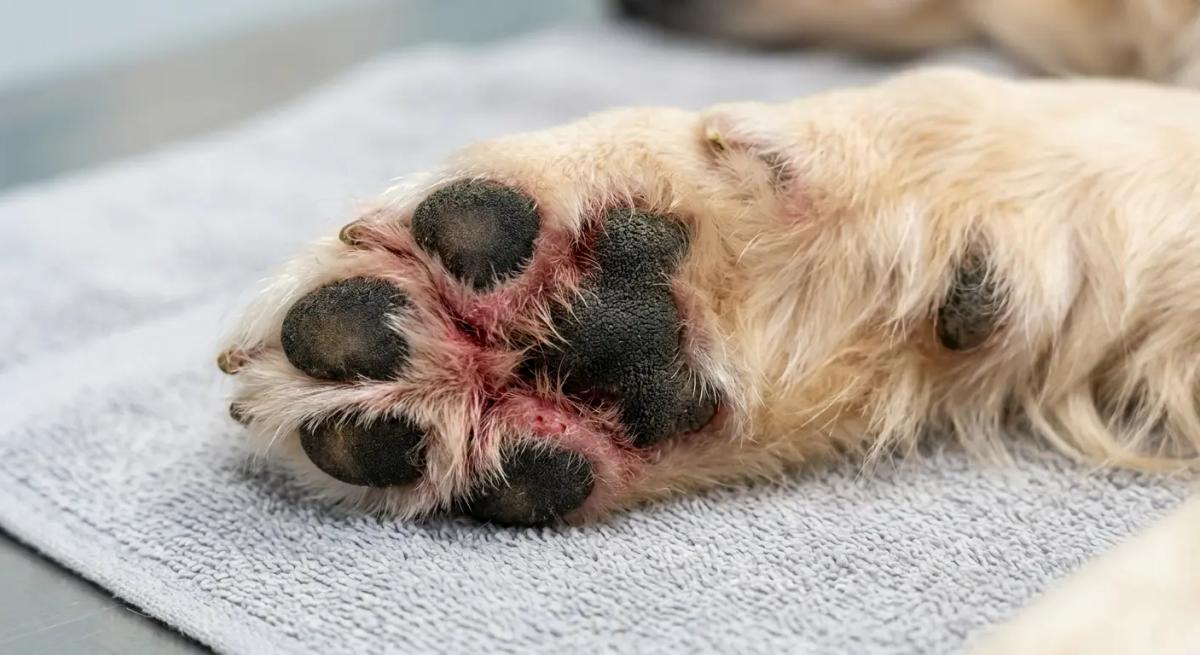
Table Of Contents
Has your dog’s paw suddenly started smelling like a bag of corn chips? Are they obsessively licking or chewing their toes after a fun day running around the indoor dog park?
You might be dealing with a dog paw yeast infection, a surprisingly common and incredibly frustrating condition for our furry best friends.
At Indoor Dog Park, we see dogs of all breeds and backgrounds. One of the most frequent health issues pet parents ask us about is paw pad health. A yeast infection in your dog's paws isn't just uncomfortable for them; if left untreated, it can lead to more serious secondary bacterial infections.
This comprehensive guide covers the facts, symptoms, and science-backed treatments for dog paw yeast infections, so you can get your pup back to playing pain-free.
What is a Dog Paw Yeast Infection?
A dog paw yeast infection, medically known as Malassezia pododermatitis, occurs when there is an abnormal overgrowth of yeast on your dog's skin.
The Science Behind Malassezia pachydermatis
Here’s a fascinating fact: the culprit, a yeast species called Malassezia pachydermatis, is completely natural. It normally lives on the skin of 20% to 50% of healthy dogs without causing any harm.
The trouble begins when the delicate balance of your dog's skin microbiome is disrupted. When the skin barrier is compromised, this commensal organism seizes the opportunity to multiply rapidly. In clinical cases of dogs with skin dermatitis, Malassezia overgrowth is identified in up to 90% of cases.
What Causes Yeast Overgrowth in Dog Paws?
Yeast thrives in environments that are warm, dark, and damp. The crevices between your dog's toes are the perfect breeding ground. But what triggers the yeast to suddenly spiral out of control?
Yeast infections are almost always a secondary condition. This means something else compromised your dog's immune system or skin barrier first.
1. Environmental and Food Allergies
Allergies are the number one culprit. When a dog has an allergic reaction to pollen, dust mites, or a protein in their food, their skin becomes inflamed and itchy. They lick their paws to soothe the itch, trapping moisture between the toes and inviting yeast to bloom.
2. Trapped Moisture
Constant exposure to wet grass, rain, or humidity without proper drying can lead to yeast overgrowth. This is why it’s critical to thoroughly dry your dog's paws after they visit communal play areas or splash around outside.
3. Underlying Medical Conditions
Hormonal imbalances like Hypothyroidism or Cushing’s Disease weaken the immune system, making dogs far more susceptible to opportunistic fungal infections.
4. Medications
Prolonged use of antibiotics or corticosteroids can kill off the "good" bacteria on your dog's skin, leaving a void that yeast quickly fills.
🌧️ Extreme Weather Dog Safety & Indoor Play Guide
Don't let scorching summer pavement or freezing winter storms compromise your dog's physical health and mental happiness. Get our comprehensive survival guide delivered instantly.
Breeds Predisposed to Yeast Infections
While any dog can develop a yeast infection, genetics play a major role. Breeds with deep skin folds, dense hair between their toes, or a predisposition to atopic dermatitis are at a significantly higher risk.
According to the Veterinary Information Network (VIN), highly susceptible breeds include:
- Basset Hounds
- West Highland White Terriers (Westies)
- Cocker Spaniels
- English and French Bulldogs
- Poodles and Shih Tzus
- Golden Retrievers
Key Symptoms: How to Spot a Paw Yeast Infection
Identifying a yeast infection early can save your dog weeks of discomfort. Keep an eye (and a nose) out for these tell-tale signs:
The Distinctive Odor
The most famous symptom is a potent, musty smell radiating from the paws. Pet parents commonly describe it as smelling exactly like Fritos, corn chips, or old cheese.
Behavioral Changes
- Obsessive Licking and Chewing: Your dog will continuously gnaw at their paws in an attempt to relieve the intense itching.
- Limping: The paw pads may become tender to the touch, causing your dog to favor a leg or limp.
Physical Appearance
- Redness and Inflammation: The skin between the toes and around the nail beds will appear bright red and swollen.
- Brown Discoloration: You may notice rust-colored or reddish-brown staining on the fur around their paws. This is a reaction caused by the porphyrins in your dog's saliva.
- Thickened Skin: In chronic cases, the skin may become thickened, scaly, crusty, or take on an "elephant skin" texture.
Diagnosis and Veterinary Care
If you suspect a yeast infection, do not attempt to treat it with at-home remedies like vinegar soaks without speaking to a vet first. Because symptoms mimic bacterial infections and mites, a misdiagnosis can make the problem much worse.
The Cytology Test
Your veterinarian will likely perform a cytology test. They will take a simple skin swab or use a piece of clear tape to lift cells from the affected paw. By examining this under a microscope, they can visually confirm the presence of yeast overgrowth.
Effective Treatments for Paw Yeast Infections
Treating a yeast infection requires a two-pronged approach: clearing the current fungal overgrowth and managing the underlying cause so it doesn't return.
Topical Therapies
For localized paw infections, topical treatments are highly effective. Your vet may prescribe:
- Medicated Shampoos: Shampoos containing miconazole, ketoconazole, or chlorhexidine are standard. You will likely need to lather the paws and let the shampoo sit for 10 minutes before rinsing.
- Antifungal Wipes and Creams: Medicated wipes are fantastic for quick, daily cleaning between the toes.
Systemic Medications
If the infection is severe, widespread, or resistant to topical treatments, oral antifungal medications (like fluconazole or terbinafine) may be required.
Addressing the Root Cause
If your dog's yeast infection is triggered by food allergies, your vet may recommend a strict hypoallergenic diet trial. If environmental allergies are to blame, they might prescribe allergy medications like Apoquel or Cytopoint to stop the itching cycle.
Prevention: Keeping Your Dog's Paws Healthy
An ounce of prevention is worth a pound of cure. Follow these tips to keep your pup's paws fresh and yeast-free:
- Keep Paws Dry: After a trip to the indoor dog park, a walk in the rain, or a bath, thoroughly dry between your dog’s toes with a clean towel.
- Regular Grooming: Keep the hair between your dog's paw pads trimmed short. This improves airflow and prevents moisture and debris from getting trapped.
- Routine Paw Checks: Inspect your dog's paws weekly. Look for redness, swelling, or the beginnings of that notorious corn chip smell.
- Wipe Down After Play: Use pet-safe, hypoallergenic wipes to clean your dog’s paws after outdoor adventures or communal play to remove allergens and irritants.
Conclusion
A dog paw yeast infection is a highly manageable condition when caught early and treated properly. By understanding the underlying causes—whether it's trapped moisture or underlying allergies—you can help your furry companion stay comfortable, active, and ready for their next big adventure.
Disclaimer: The information provided in this article is for educational purposes only and does not constitute medical advice. Always consult with a licensed veterinarian for the diagnosis and treatment of your pet's health conditions.