Dogs at the Dog Park: 10 Things Every Owner Must Know

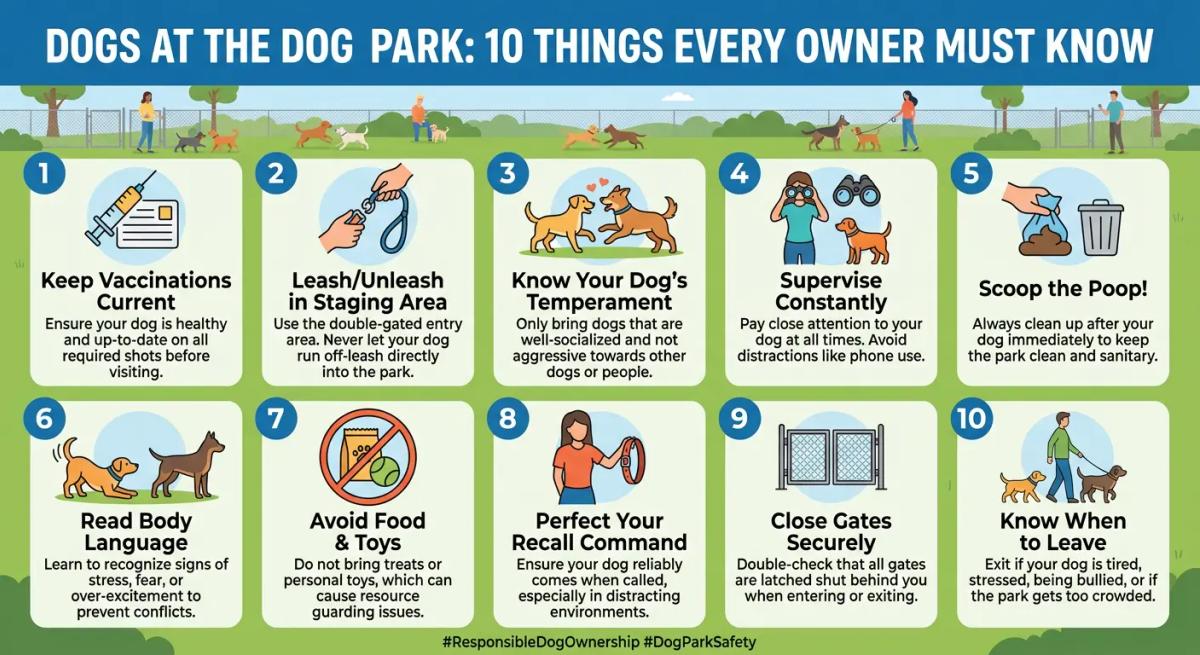
Table Of Contents
There's a moment every dog owner knows: you swing open that squeaky metal gate, unclip the leash, and watch your dog explode into pure, unfiltered joy. Zoomies, tail spins, frantic sniffing—it's one of life's genuinely great little pleasures.
But behind that beautiful chaos lies a lot more complexity than most people realize. Dog parks aren't just fenced fields. They're complex social environments where behavior, health, timing, and environment all intersect—and where a single avoidable mistake can turn a fun outing into a stressful or even dangerous one.
I've spent years studying and visiting dog parks across the United States, contributing to IndoorDogPark.org, and working alongside veterinarians and certified animal behaviorists. This guide is the definitive resource I wish every dog owner had before their first park visit.
Let's get into it.
The State of Dog Parks in America: Key Statistics
Before we dive into the tips, it helps to understand how big of a deal dog parks actually are. According to the Trust for Public Land's 2024 ParkScore Index:
- The U.S. has over 1,100 off-leash dog parks in major cities alone—a 40% increase over the past decade.
- 89 dog parks per million residents is now the national average in the 100 largest U.S. cities.
- The American Pet Products Association (APPA) reports that 65.1 million U.S. households own a dog as of 2024.
- Yet fewer than 30% of dog owners visit a dog park regularly—meaning most dogs are missing out on critical socialization opportunities.
The rise of indoor dog parks has dramatically shifted this landscape, giving millions of urban pet owners a climate-controlled, professionally supervised alternative to municipal outdoor parks.
Outdoor vs. Indoor Dog Parks: A Side-by-Side Comparison
Understanding your options is the first step. Here's how outdoor and indoor facilities stack up across the metrics that matter most:
| Factor | Outdoor Dog Park | Indoor Dog Park |
|---|---|---|
| Weather Dependency | Fully weather-dependent. Unusable in rain, snow, extreme heat. | 100% climate-controlled. Open year-round regardless of weather. |
| Professional Supervision | None. Owner-policed only. | Trained staff actively monitor behavior and intervene when needed. |
| Vaccination Requirements | Largely unenforced. High disease-transmission risk. | Strictly enforced. Rabies, DHPP, and Bordetella typically required. |
| Surface Safety | Mud, gravel, or uneven terrain. Joint injury risk. | Specialized K9 turf or rubberized flooring. Gentler on joints. |
| Human Amenities | Usually a single bench and a water fountain. | Seating, Wi-Fi, cafés, bars, clean restrooms. |
| Pest & Parasite Exposure | High. Ticks, fleas, and soil-borne parasites common. | Very low. Indoor surfaces eliminate most parasite risks. |
| Cost | Free (tax-funded). | $10–$20 day pass (dogs); humans typically free. |
Both have their place, but for owners who prioritize safety and consistency, indoor dog parks consistently come out ahead—especially in cities with harsh winters or scorching summers.
1. Know If Your Dog Is Actually Ready for a Dog Park
This is the most overlooked step—and the most important.
Not every dog is suited for off-leash group play, and throwing an unprepared dog into a busy park is a setup for failure. Before your first visit, honestly assess:
- Age: Puppies under 16 weeks shouldn't enter public dog parks. Their immune systems are still developing, and the disease risk is simply too high. Wait until your vet confirms they're fully vaccinated.
- Temperament: Has your dog been positively socialized with other dogs? Fearful or reactive dogs often become overwhelmed quickly in busy parks.
- Training: Basic recall ("come"), sit, and leave-it commands are essential in an off-leash environment. Without reliable recall, you have no way to safely intervene if things escalate.
According to the American Kennel Club (AKC), dogs that attend group socialization before 16 weeks of age are significantly less likely to develop fear-based aggression as adults. The window is real—and early positive experiences matter enormously.
2. Get Vaccinations Current Before Every Visit
This is non-negotiable. The following vaccinations are considered the minimum standard by the American Veterinary Medical Association (AVMA) before any dog park visit:
- Rabies – Required by law in most states
- DHPP (Distemper, Hepatitis, Parvovirus, Parainfluenza)
- Bordetella (kennel cough) – Especially important in enclosed spaces
- Leptospirosis – Recommended for dogs that frequent parks with standing water
Most reputable indoor dog parks require documented proof of vaccinations before entry—a policy that meaningfully reduces disease risk for every dog in the facility.
3. Time Your Visit Strategically
Dog park timing matters more than most people think.
The worst times to visit:
- Immediately after work on weekdays (5–7 PM): Overcrowded, dogs are high-energy after pent-up days, owners are distracted.
- Weekend afternoons: Peak traffic, maximum chaos.
The best times to visit:
- Weekday mid-mornings (9–11 AM): Lower traffic, calmer energy, more attentive owners.
- Early weekday evenings before the post-work rush.
For indoor parks specifically, many facilities offer uncrowded weekday passes at reduced rates—making the mid-morning slot not just less crowded but more affordable.
4. Master Dog Park Body Language
Most conflicts at dog parks aren't sudden—they're telegraphed well in advance by dogs communicating in their own language. Learning to read these signals is a genuine skill that will make you a safer, more confident owner.
Green Flags (Healthy, Happy Play):
- Loose, wiggly body posture
- Play bow (front legs stretched forward, rear end up)
- Open mouth, relaxed jaw
- Taking turns chasing
Yellow Flags (Monitor Closely):
- Stiff body or stiff tail
- One dog constantly pinning or mounting another
- Excessive barking focused on a single dog
- Whale eye (whites of the eye visible)
Red Flags (Intervene Immediately):
- Growling combined with stiff posture
- Raised hackles and direct hard stare
- One dog repeatedly cornering another with no escape
- Resource guarding around water stations or toys
If you see red flags, calmly call your dog away. Never scream or rush in—that escalates arousal in all the dogs present.
5. Follow These 10 Core Dog Park Etiquette Rules
Good manners at the dog park protect every dog—not just yours. Here are the rules experienced dog owners follow without exception:
- Pick up waste immediately. Every time. No exceptions.
- Leave food and treats outside the gate. Resource guarding is a leading cause of dog park conflicts.
- Put your phone away and actively supervise your dog.
- Don't bring a dog in heat. It dramatically spikes testosterone-driven tension.
- Enter calmly. Don't let your dog rush in while still leashed—that excites the whole group.
- Respect size separations. Use the small dog area for dogs under 25 lbs.
- Don't bring puppies under 16 weeks. Their immune systems can't handle the exposure.
- Intervene before conflicts escalate. Don't wait for a bite to happen.
- Don't bring aggressive toys (balls, frisbees) that trigger resource guarding.
- Know when to leave. If your dog is exhausted, overwhelmed, or overstimulated, a good owner calls it a day early.
6. Understand the Health Benefits They're Proven
Here's why the trip is worth it. The evidence for regular dog park socialization is substantial:
For dogs:
- A 2023 study published in Scientific Reports found that dogs with regular social play experience lower rates of fear-based behaviors and anxiety.
- Regular aerobic exercise reduces obesity risk in dogs. According to the Association for Pet Obesity Prevention, roughly 59% of U.S. dogs are overweight or obese—a crisis that consistent park activity directly addresses.
- Mental stimulation from sniffing and social interaction reduces destructive behaviors at home.
For humans:
- A Harvard Health publication found dog owners walk an average of 22 minutes more per day than non-owners—largely due to park visits.
- Dog park regulars report stronger community connections and lower reported rates of loneliness.
The numbers are clear: consistent dog park visits are good medicine for both ends of the leash.
7. Know the Health Risks—And Mitigate Them
Dog parks carry real health risks. Being aware isn't pessimistic—it's smart ownership.
🌧️ Extreme Weather Dog Safety & Indoor Play Guide
Don't let scorching summer pavement or freezing winter storms compromise your dog's physical health and mental happiness. Get our comprehensive survival guide delivered instantly.
Common Dog Park Health Hazards:
| Health Risk | How It Spreads | Prevention | Indoor Park Risk |
|---|---|---|---|
| Kennel Cough (Bordetella) | Airborne / direct contact | Annual Bordetella vaccine | 🟡 Moderate |
| Parvovirus | Contaminated soil / feces | DHPP vaccine; avoid unvaccinated dogs | 🟢 Low |
| Giardia | Contaminated water | No communal puddle water; clean bowls only | 🟢 Low |
| Ringworm | Direct dog-to-dog contact | Regular vet checks, post-visit grooming | 🟡 Moderate |
| Ticks & Fleas | Outdoor grass and underbrush | Monthly preventative treatments | 🟢 Very Low |
| Leptospirosis | Standing water / urine contact | Lepto vaccine for outdoor park dogs | 🟢 Very Low |
Indoor dog parks dramatically reduce exposure to ticks, fleas, and soil-borne parasites like Giardia, while mandatory vaccination policies reduce infectious disease risk across all attendees.
8. Indoor Dog Parks: The Smarter Choice for Urban Owners
The indoor dog park industry has grown at a remarkable pace. As we've tracked at IndoorDogPark.org, cities across the country now have premium, professionally run facilities that offer something outdoor parks simply cannot:
The key advantages of indoor facilities:
- Controlled entry. Verified vaccinations and temperament screening keep the dog population safe.
- Trained staff. Professional "dog monitors" can read body language and de-escalate before incidents occur.
- Consistent conditions. No mud, no ice, no heat advisories, no torrential afternoon rain canceling your plans.
- Size separation. Small and large dog areas prevent mismatched play dynamics.
- Specialized surfaces. K9 turf and rubberized flooring reduce joint strain compared to concrete or muddy ground.
If you're in a major metro area, you almost certainly have an indoor option nearby. Browse the IndoorDogPark.org national directory to find one.
9. How to Choose the Right Dog Park for Your Dog
Not all dog parks are created equal. Use this quick framework when evaluating a facility:
The Dog Park Quality Checklist
✅ Separate areas for small and large dogs ✅ Double-gated entry (airlock design prevents escape) ✅ Shaded areas or climate control for temperature regulation ✅ Enforced vaccination requirements ✅ Clean, well-maintained surfaces (no standing water, no holes) ✅ Waste bag dispensers and frequent cleanup ✅ Visible staff or posted rules creating accountability ✅ Good sightlines so owners can see their dogs at all times
If a facility scores below 6 of these, consider finding an alternative—especially if your dog is younger, less experienced, or has a sensitive temperament.
10. The Future of Dog Parks Is Already Here
The traditional fenced outdoor dog park isn't going away, but the innovation is happening indoors. Across the U.S., the modern indoor dog park has evolved into a full-service destination:
- Agility equipment for mental and physical enrichment
- Dog bars and cafés where owners can relax (and dogs can enjoy pup cups)
- Daycare and boarding integration for working owners
- Training classes that reinforce positive behavior
- Dog-specific menus with vet-approved treats
Cities like Chicago, Austin, Las Vegas, Minneapolis, and Portland now have thriving indoor dog park scenes—each with multiple facilities competing to offer the best experience.
The data on adoption tells the story: cities that open quality indoor dog parks consistently see them become community anchors for local pet owners within their first year of operation.
What the Best Dog Park Experiences Have in Common
Whether outdoor or indoor, the greatest dog park visits share a few core qualities. Think of it as the Dog Park Excellence Venn Diagram:
🐾 The Dog Park Excellence Venn Diagram
The sweet spot: all three circles overlap.
Great dog park experiences sit at the intersection of three things: a safe environment, a prepared dog, and an engaged owner. When all three are present, magic happens. When even one is missing, the risk of a negative experience climbs sharply.
Frequently Asked Questions
How long should dogs be at the dog park?
Most behaviorists recommend 30 to 60 minutes for a healthy adult dog. Beyond that, dogs often become overtired and overstimulated—prime conditions for conflict. Puppies should spend even less time (20–30 minutes) given their lower stamina and higher susceptibility to stress.
Can I take my puppies to the dog park?
Only after completing their full puppy vaccine series—typically around 16 weeks of age. Before that, parvo and distemper risk in unvaccinated public spaces is too high. For young puppies, a supervised puppy socialization class is a safer and more structured alternative.
What should I do if my dog gets into a fight?
Do not reach into the middle of a dog fight with bare hands. Instead:
- Make a loud, sharp noise to startle the dogs apart.
- Use a barrier (bag, jacket) to separate them if possible.
- Clip leashes immediately and move the dogs apart.
- Check both dogs for injuries and contact a vet if needed.
Should I bring toys or treats to the dog park?
Generally, no. Both can trigger resource guarding—a leading cause of dog park conflicts. Leave treats in the car and leave tennis balls at home unless you're in a completely uncrowded, single-dog scenario.
Are indoor dog parks worth the money?
For most urban dog owners, yes. The combination of a safe, clean, climate-controlled environment with professional supervision addresses the biggest risks of traditional outdoor parks. Day passes typically range from $10–$20—less than a cup of coffee and a pastry for the quality of activity provided.
Conclusion: Make the Dog Park Work For Both of You
The dog park at its best is one of the most genuinely joyful places on earth. Watching a dog in full-throttle, tail-spinning, nose-to-nose play is one of those simple things that makes owning a dog so deeply worthwhile.
But it's not a free-for-all. The best experiences come from preparation: knowing your dog, reading the environment, prioritizing health, and staying engaged as an owner.
If you need for a local outdoor park or exploring the growing world of indoor dog parks near you, the investment in safe, social, active time for your dog pays dividends in their health, behavior, and happiness—every single week.