Making a Splash: The Surprising Health Benefits of Indoor Dog Swimming Pools

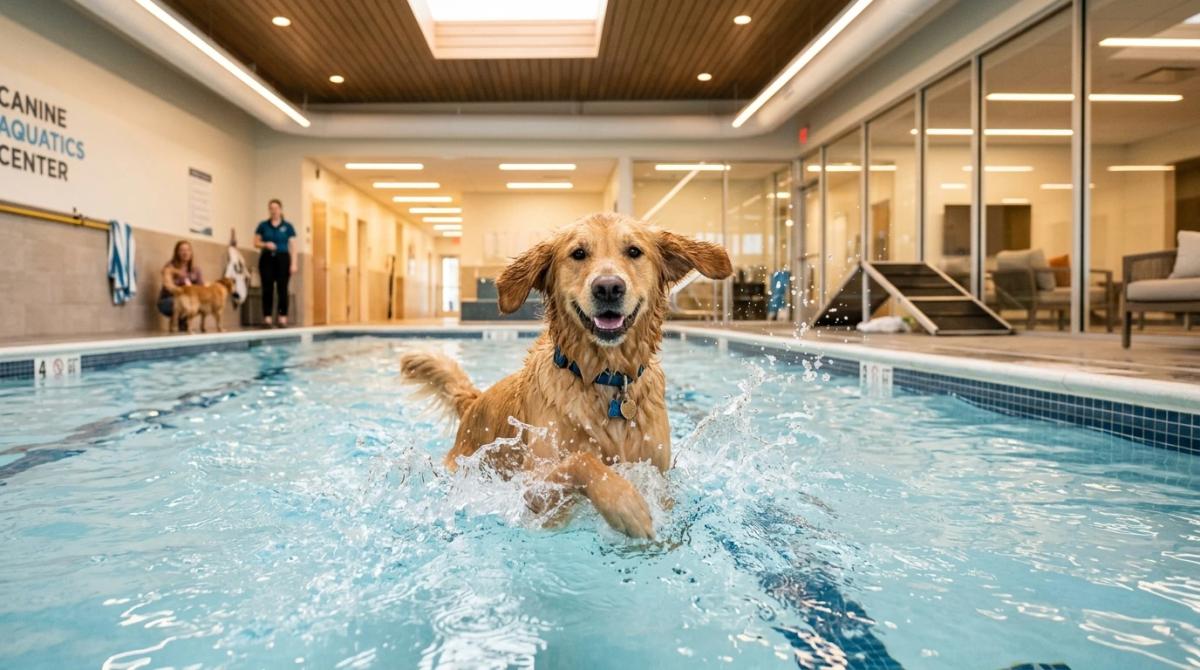
Table Of Contents
Swimming is often viewed as a fun, recreational activity for water-loving dog breeds like Labradors and Golden Retrievers. However, the health and wellness benefits of swimming extend far beyond simple backyard play. In recent years, the veterinary community has increasingly recognized canine hydrotherapy and controlled indoor swimming as crucial components of modern pet health.
Whether your dog is recovering from a major orthopedic surgery, struggling with age-related arthritis, trying to shed a few extra pounds, or simply needs a safe outlet for high-energy play, indoor swimming pools offer a unique, climate-controlled environment that supports physical fitness and mental well-being.
This comprehensive guide explores the science behind canine hydrotherapy, compares swimming to traditional land-based exercise, and highlights how indoor dog pools can dramatically improve your dog's quality of life.
The Physics of Floatation: How Buoyancy Protects Canine Joints
One of the most significant advantages of swimming is that it is a low-impact, non-weight-bearing exercise. When a dog walks or runs on land, their joints absorb the impact of their body weight hitting the ground. For a healthy, young dog, this is normal and beneficial for bone density. However, for dogs with joint issues, every step can cause wear, tear, and pain.
How Buoyancy Works
When a dog is submerged in water up to their chest, buoyancy supports approximately 90% of their body weight. This reduction in weight-bearing pressure:
- Relieves Joint Pain: Removes the stress on weight-bearing joints (hips, elbows, hocks, and spine).
- Increases Range of Motion: Water resistance forces the dog to use larger, more circular leg motions than they would on land, gently stretching tight muscles and stiff joints.
- Improves Balance and Stability: The hydrostatic pressure of the water acts like a natural support glove, helping dogs with neurological conditions or muscle weakness stay upright without falling.
This low-impact environment makes indoor swimming a primary tool for dogs recovering from cruciate ligament tears or undergoing post-operative rehabilitation. For example, dogs recovering from tibial plateau leveling osteotomy (TPLO) surgeries can safely begin hydrotherapy in a controlled environment long before they are cleared for long walks on land.
Cardio Powerhouse: Why 1 Minute of Swimming Equals 4 Minutes of Running
If you are looking for an efficient way to burn off your dog’s excess energy, look no further than the pool. Because water is approximately 800 times denser than air, moving through it requires significantly more muscular effort.
Veterinary experts estimate that just 1 minute of swimming is equivalent to 4 minutes of running on land in terms of cardiovascular work and calorie burn.
Cardiovascular and Muscular Benefits
- Resistance Training: Every paddle stroke works a dog’s core, shoulders, hindquarters, and chest. This build-up of lean muscle mass helps support unstable joints.
- Cardiorespiratory Fitness: Swimming raises the heart rate quickly and keeps it elevated, strengthening the heart muscles and improving lung capacity.
- Weight Management: Because swimming burns calories at a rapid rate without damaging joints, it is the ideal weight-loss program for obese dogs. Excess weight is a primary contributor to early-onset osteoarthritis, and swimming helps break the vicious cycle of "too painful to exercise, leading to more weight gain."
To plan a balanced fitness regimen that includes swimming and land play, you can calculate your dog's daily energy needs using our interactive Dog Exercise Calculator.
Mental Enrichment: Tiring Out High-Energy Breeds Indoors
For many working and high-energy breeds such as Border Collies, Belgian Malinois, and Australian Shepherds physical fatigue is only half the battle. They require mental stimulation to prevent destructive behaviors at home.
🌧️ Extreme Weather Dog Safety & Indoor Play Guide
Don't let scorching summer pavement or freezing winter storms compromise your dog's physical health and mental happiness. Get our comprehensive survival guide delivered instantly.
Indoor dog pools offer a highly stimulating sensory experience that engages a dog's brain:
- Proprioceptive Feedback: Navigating a three-dimensional fluid environment forces the brain to coordinate muscle movements constantly, providing deep cognitive engagement.
- Sensory Enrichment: The sights, sounds of splashing, and the resistance of the water stimulate the nervous system.
- Positive Endorphin Release: The combination of physical effort and play triggers the release of serotonin and dopamine, reducing anxiety, stress, and pent-up frustration.
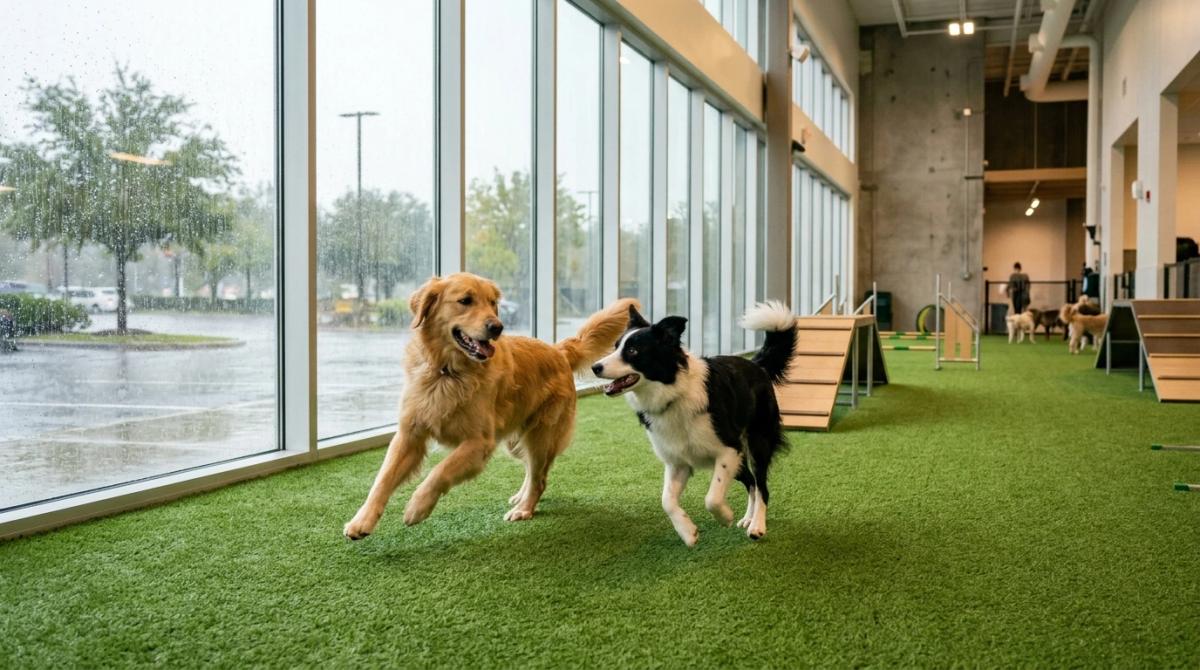
For dogs living in high-density urban areas or places with extreme weather, visiting an indoor pool is a fantastic way to tire them out without the overstimulation or safety risks of a crowded, chaotic outdoor park.
Heated Indoor vs. Cold Outdoor: The Importance of Temperature Control
Many pet owners wonder why they should pay for an indoor pool when there is a local lake or beach nearby. While outdoor swimming can be fun, it lacks the therapeutic benefits of a climate-controlled indoor facility.
The Problem with Cold Water
Outdoor natural bodies of water are often cold, especially during the spring, fall, and winter. Swimming in cold water causes:
- Vasoconstriction: Blood vessels constrict, reducing circulation to the limbs.
- Muscle Tightness: Cold temperatures cause muscles to stiffen and cramp, increasing the risk of strains and ligament sprains.
- Joint Stiffening: Arthritis symptoms worsen in cold, damp conditions.
The Indoor Advantage
Professional indoor dog pools are typically kept heated to a therapeutic temperature of 80°F to 85°F (26.5°C to 29.5°C).
- Vasodilation: Warm water expands blood vessels, increasing blood flow throughout the body. This delivers oxygen and nutrients to damaged tissues and speeds up recovery.
- Muscle Relaxation: The warmth relaxes tight muscle fibers, allowing for a deeper, pain-free range of motion.
- All-Weather Access: Whether it is a blistering summer day in Texas or a freezing winter afternoon in Kansas, heated indoor pools remain open and comfortable.
Hydrotherapy vs. Land-Based Exercise: A Comparison
The table below outlines the primary differences between walking/running on land and swimming in a heated indoor pool.
| Exercise Feature | Land Exercise (Running/Walking) | Indoor Swimming (Warm Pool) |
|---|---|---|
| Joint Impact | High (100% weight-bearing) | Near Zero (buoyant support) |
| Calorie Burn Rate | Moderate | High (4x faster than running) |
| Muscle Groups Target | Predominantly legs and lower back | Full body (core, neck, forelimbs, hind limbs) |
| Tissue Circulation | Variable (based on outside temp) | Enhanced (due to therapeutic heat) |
| Safety for Rehab | Low (risk of slips, trips, re-injury) | High (controlled, supported movement) |
Safety and Preparation: What to Know Before Your Dog’s First Swim
While swimming is incredibly beneficial, it is important to introduce your dog to the pool safely, especially if they are new to the water or recovering from an injury.
- Use a Canine Life Vest: Even natural swimmers can panic or tire quickly. A life vest provides extra buoyancy, keeps their head above water, and includes a handle on the back so you can assist them easily.
- Pre-Swim Rinse: Always rinse your dog with fresh water before they enter the pool. This removes dirt, loose hair, and skin oils, helping keep the pool clean and sanitary.
- Start Slow: Keep the first session short (5 to 10 minutes). Swimming is exhausting work! Monitor your dog closely for signs of fatigue, such as their rear end sinking, heavy panting, or wide, frantic eyes.
- Ear Care is Crucial: Water trapped in a dog’s ears can lead to painful ear infections. Gently dry their ears with a towel after swimming, and consider using a vet-approved ear-drying solution if your dog is prone to infections.
- Post-Swim Wash and Dry: Rinse the pool water (which may contain chlorine or salt) off your dog's coat and dry them thoroughly to prevent hot spots or skin irritation.
Finding a Local Indoor Pool for Your Dog
If you are ready to introduce your dog to the wonderful world of indoor swimming, you don't have to look far. Our verified Indoor Dog Pools Directory maps facilities across the country, sorting them by amenities, pricing, and rehabilitation services.
Additionally, many premium facilities combine swimming with other indoor activities. If you are located in the Midwest, you can discover leading facilities in our Ultimate Guide to the 10 Best Indoor Dog Parks and Daycares in Oakland, CA or check out the climate-controlled options in our guide to the Top 6 Best Indoor Dog Parks and Daycares in Wichita, KS.
No matter the weather outside, taking the plunge into indoor swimming is one of the best investments you can make in your dog's long-term mobility, health, and happiness.