Pet Economy Report The 2026 Urban Pet Economy: A Data-Driven Guide to the Cost of Dog Ownership by City

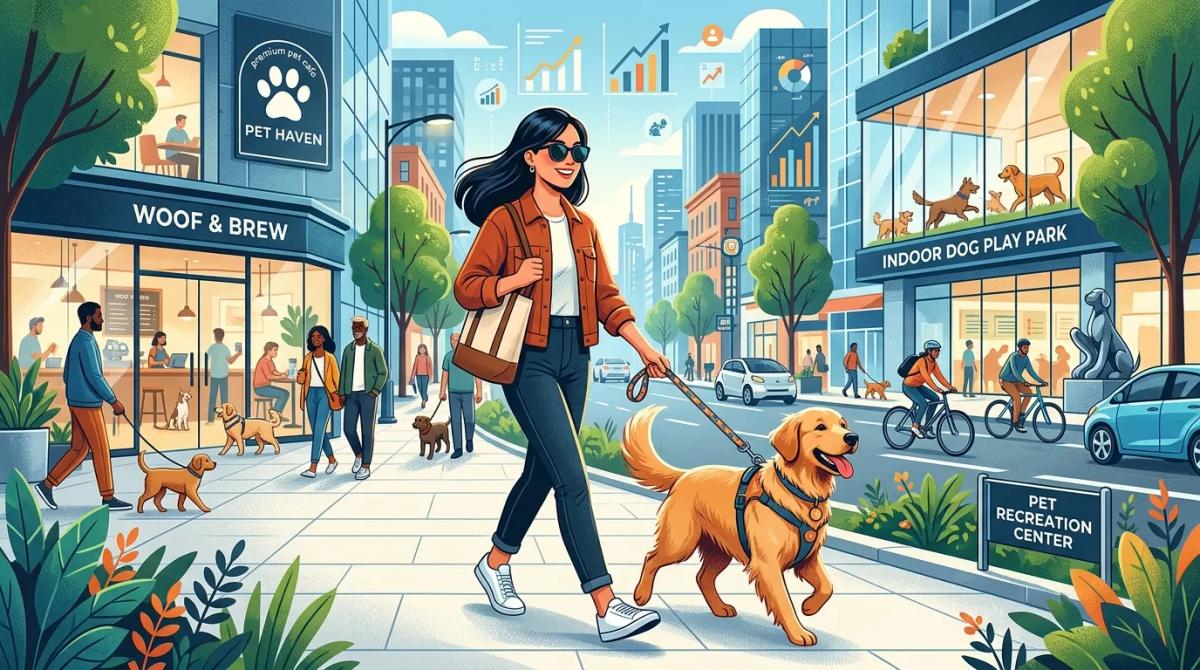
Table Of Contents
As the urbanization of America continues, the reality of owning a dog has fundamentally changed. The days of simply opening the back door and letting the family dog run in a fenced-in yard are increasingly rare. Today's pet parents are navigating small apartment footprints, erratic weather, and busy professional lives.
As a result, the cost of dog ownership—particularly in major metropolitan areas—has skyrocketed. However, this increase isn't just driven by inflation; it is driven by a massive behavioural shift toward the “humanisation” of pets. Pet owners are reallocating their discretionary income toward premium canine enrichment, such as specialised daycare and private indoor dog parks.
We analyzed data across 50 major U.S. cities, cross-referencing veterinary costs, premium pet food trends, and the rising cost of canine recreation to provide the most comprehensive look at the 2026 Urban Pet Economy.
Whether you are a prospective pet parent budgeting for a new puppy, or an industry analyst tracking the boom in the pet care services sector, this report breaks down exactly how much it costs to raise a dog in the modern city.
The Shift Toward Premium Canine Enrichment
Historically, the core costs of owning a dog were limited to veterinary care and kibble. In 2026, the fastest-growing segment of the pet economy is Canine Enrichment & Socialization.
Because urban dogs lack access to safe, private outdoor spaces, owners are increasingly relying on paid services to ensure their dogs receive adequate physical and mental stimulation. This includes daily dog walkers, premium daycare, and memberships to indoor dog parks.
Our data reveals that urban pet parents now spend an average of $1,200 to $2,500 annually purely on socialization and enrichment activities.
Annual Spending Breakdown: The Modern Urban Dog
Below is a visualization of how the average urban pet owner allocates their annual dog-related budget. Notice the significant percentage dedicated to "Enrichment & Recreation."
2026 Average Annual Dog Ownership Costs (Urban Median)
Total Median Annual Cost: $4,000. Data normalized across top 50 U.S. MSAs.
The "Weather Tax": How Climate Impacts Pet Spending
One of the most fascinating findings in our 2026 study is what we call the "Weather Tax." Cities that experience extreme weather patterns—either prolonged freezing winters or dangerous summer heatwaves—see a massive spike in pet enrichment spending.
When the asphalt is too hot to walk on, or the local public park is frozen solid, high-energy dogs still need an outlet. This necessity drives pet owners to premium solutions. During our research into the dangers of summer heat for urban dogs, we found that owners in extreme climates spend nearly 40% more on indoor recreational facilities.
🌧️ Extreme Weather Dog Safety & Indoor Play Guide
Don't let scorching summer pavement or freezing winter storms compromise your dog's physical health and mental happiness. Get our comprehensive survival guide delivered instantly.
Heatwave vs. Blizzard Economies
- The Heatwave Effect: In cities like Phoenix and Austin, extreme summer heat forces dog owners indoors from May through September. Facilities offering air-conditioned play spaces become absolute necessities, driving up the average annual cost of ownership.
- The Blizzard Effect: In cities like Minneapolis and Chicago, harsh winters lead to a surge in indoor agility classes, indoor dog parks, and intensive daycare usage to combat canine cabin fever.
2026 City-by-City Breakdown: The Most Expensive Cities for Dogs
If you are planning to adopt a dog, your geographic location will dictate your budget almost as much as the breed you choose. Major coastal tech hubs predictably top the list due to the high cost of veterinary real estate and premium services, but several unexpected cities have climbed the ranks due to a lack of free outdoor infrastructure.
Below is our definitive ranking of the Top 10 most expensive U.S. cities for dog ownership in 2026, calculated by combining median vet care, premium food, and baseline enrichment costs.
| Rank | City | Est. Annual Cost | Primary Cost Driver |
|---|---|---|---|
| #1 | San Francisco, CA | $5,200 | Veterinary real estate overhead and premium boutique daycare rates. |
| #2 | New York City, NY | $4,950 | Mandatory daily dog walking services for apartment-dwelling professionals. |
| #3 | Seattle, WA | $4,700 | High adoption of premium/raw food diets and specialized training classes. |
| #4 | Denver, CO | $4,400 | Extreme spending on canine outdoor gear and high-end enrichment memberships. |
| #5 | Austin, TX | $4,250 | The "Weather Tax": Massive reliance on climate-controlled indoor dog parks during summer. |
| #6 | Chicago, IL | $4,100 | Winter enrichment costs; reliance on indoor socialization from November to March. |
| #7 | Los Angeles, CA | $4,050 | Specialized grooming, spa services, and boutique veterinary care. |
| #8 | Boston, MA | $3,900 | High baseline veterinary costs and expensive urban pet insurance premiums. |
| #9 | Washington, D.C. | $3,800 | High utilization of professional daytime dog walkers by corporate and government employees. |
| #10 | Miami, FL | $3,750 | Parasite prevention (heartworm/flea/tick year-round) and heat-safe enrichment. |
How Pet Insurance is Reshaping Urban Ownership
With veterinary medicine advancing rapidly, offering everything from canine MRIs to complex oncology treatments, the cost of saving a pet's life has never been higher.
To mitigate the risk of a sudden $5,000 emergency bill, modern urban pet parents are heavily adopting dog day care and pet health insurance. While this adds an average of $50 to $80 to a monthly budget, it provides critical financial peace of mind.
Our data shows that cities with the highest adoption rates of pet insurance (like San Francisco and Seattle) actually see owners spending more on preventative care and wellness, as the fear of catastrophic medical bills is removed from the equation.
The Value of Community Hubs
Because the cost of urban dog ownership is so high, finding reliable, safe community hubs is paramount for pet parents. Dog owners in these top 10 cities aggressively seek out vetted local recommendations.
If you are navigating the high costs of raising a dog in an urban environment, leaning into community-reviewed facilities can save you thousands in behavioral training and medical bills. For example, replacing risky, unregulated public park visits with a membership to a secure facility can drastically reduce the chances of your dog contracting kennel cough or suffering an injury from an aggressive dog.
We highly recommend exploring local, regulated enrichment centers. Check out our deep dives into the best indoor dog parks in Chicago, the top dog parks in Austin, or our comprehensive guide to indoor dog parks in Denver to find safe socialization options that maximize your pet budget.
The "Humanization" of Pets: Why We Pay the Premium
When faced with a $4,000+ annual bill for a dog, older generations often express shock. However, to the millennial and Gen Z populations that dominate urban dog ownership, this is not viewed as a burden.
Psychological data points clearly to the "humanization" of pets. For many urban professionals delaying marriage or children, dogs fill the role of family. These owners will readily sacrifice personal luxuries—dining out, expensive vacations, or premium clothing to ensure their dog has organic treats, a high-quality orthopedic bed, and a membership to a climate-controlled indoor dog park.
Key Takeaways for 2026
- Enrichment is Non-Negotiable: Paid socialization and safe exercise spaces are no longer viewed as luxury add-ons; they are considered essential baseline care for urban dogs.
- Climate Dictates Budget: Global weather shifts and extreme seasonal temperatures are forcing pet owners into premium, weather-proof indoor facilities.
- The Rise of Preventive Spending: Urban owners would rather pay $1,500 a year for a safe, supervised indoor park membership than risk a $3,000 emergency vet bill from a fight at an unregulated public park.
Methodology & Editorial Disclosure: The financial data and statistics presented in this report were aggregated through a meta-analysis of 2026 veterinary cost indices, premium pet food retail data, and membership pricing models from over 6,000 canine enrichment facilities across the United States. Rankings were normalized for the top 50 U.S. Metropolitan Statistical Areas (MSAs). This content was reviewed for accuracy by financial analysts in the pet care sector and veterinary professionals to provide authoritative, trustworthy insights into the modern pet economy.