Too Hot for the Sidewalk? How to Tell if the Pavement is Safe for Your Dog's Paws

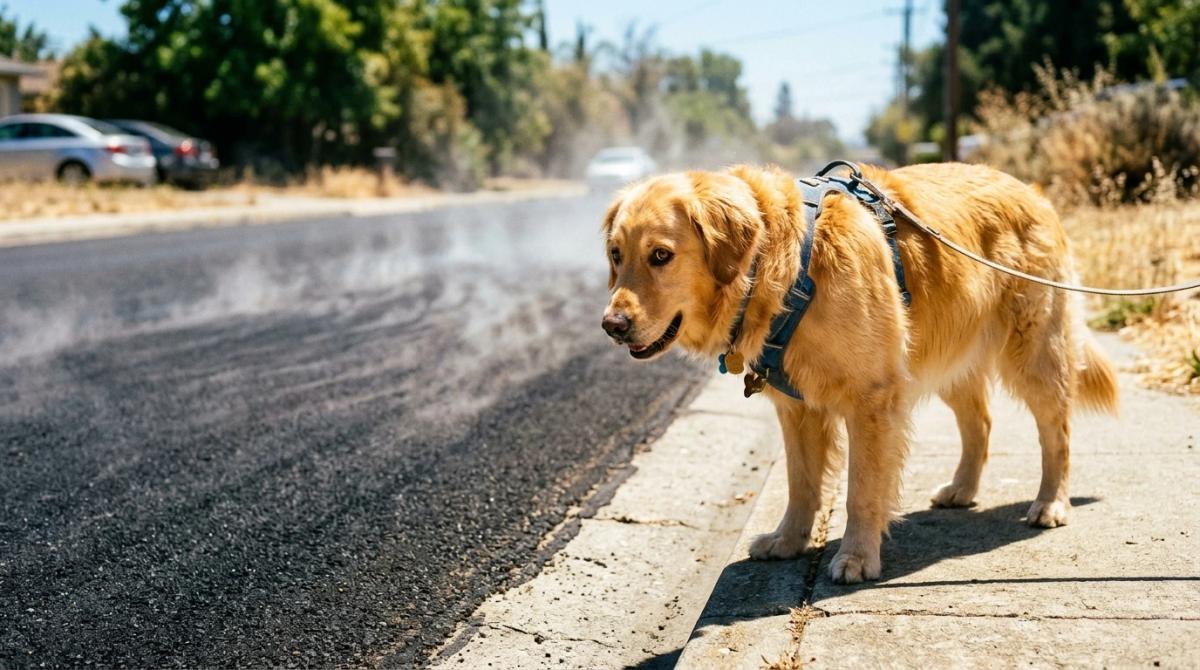
Table Of Contents
Summer brings longer days, sunny skies, and outdoor adventures with our canine companions. However, the rising summer temperatures also bring a hidden danger that can cause severe pain and injury to your dog: hot pavement.
While humans wear protective shoes, our dogs walk directly on asphalt, concrete, and sand. Their paw pads, although durable, are made of skin that can easily burn, blister, and peel when exposed to high surface temperatures.
As a responsible dog owner, understanding the relationship between air temperature and pavement temperature is critical for keeping your pup safe. This comprehensive guide covers the physics of pavement heat, the famous "7-second rule," symptoms of burned paws, and how to keep your dog active and safe when the summer heatwave strikes.
Air Temp vs. Asphalt Temp: The Surprising Physics of Solar Radiation
Many dog owners assume that if the air temperature feels comfortable (for example, 77°F), the pavement is safe. This is a dangerous misconception.
Pavement materials like asphalt are excellent thermal conductors. They absorb and trap solar radiation from the sun, heating up to temperatures far exceeding the ambient air temperature. In fact, asphalt can be 40 to 60 degrees hotter than the air around it when in direct sunlight with low wind.
At 125°F (52°C), skin destruction can occur in just 60 seconds. At 135°F (57°C), the temperature is hot enough to fry an egg, and a dog’s paw pads will burn almost instantly.
The table below demonstrates the relationship between ambient air temperature and direct-sun asphalt temperature based on veterinary safety studies.
| Air Temperature (°F / °C) | Asphalt Temperature in Sun (°F / °C) | Time to Burn Human/Canine Skin |
|---|---|---|
| 77°F / 25°C | 125°F / 52°C | 60 seconds |
| 86°F / 30°C | 135°F / 57°C | Almost Instantaneous (under 15s) |
| 87°F / 31°C | 143°F / 62°C | 5 seconds |
| 99°F / 37°C | 162°F / 72°C | 1 second (severe tissue necrosis) |
How to Test the Pavement: The 7-Second Rule
You don’t need an infrared thermometer to determine if the sidewalk is safe for your dog. You can use a simple, reliable test called the 7-Second Rule.
The 7-Second Test
- Find a Sunny Patch: Locate the area of pavement where you plan to walk your dog.
- Use the Back of Your Hand: Place the back of your bare hand (which has thinner, more sensitive skin than your palm) flat against the surface.
- Press and Hold: Keep your hand pressed firmly against the surface for 7 consecutive seconds.
- Analyze the Results: If you cannot comfortably keep your hand pressed against the pavement for the full 7 seconds, it is too hot for your dog to walk on.
Symptoms of Burned Dog Paws
Dogs are incredibly stoic animals and will often continue walking to please their owners, even if they are in severe pain. It is crucial to watch for signs that your dog’s paws are burning:
- Limping or Favoring Legs: A sudden change in gait, hobbling, or lifting paws off the ground.
- Licking or Chewing Paws: Obsessive licking or biting at the paw pads during or after a walk.
- Whining or Panting: Vocalizing pain or heavy panting (which is also a sign of heatstroke).
- Red or Darkened Pads: The paw pads look swollen, unusually dark, or red.
- Peeling or Blistered Skin: In severe cases, the top layer of the pad skin may lift, bubble into blisters, or peel off entirely, exposing raw, pink tissue underneath.
First Aid for Burned Paws
If you suspect your dog has burned their paws, take immediate action:
🌧️ Extreme Weather Dog Safety & Indoor Play Guide
Don't let scorching summer pavement or freezing winter storms compromise your dog's physical health and mental happiness. Get our comprehensive survival guide delivered instantly.
- Get off the Heat: Move your dog to grass, shade, or carry them if possible.
- Cool the Paws: Flush the paws with cool (not freezing) water or apply a cool, damp compress. Do not use ice, as this can constrict blood flow and damage the tissue further.
- Prevent Licking: Wrap the paws loosely in a clean bandage or use an Elizabethan collar (cone) to prevent licking, which introduces bacteria.
- See a Veterinarian: Pad burns are highly susceptible to infection and require veterinary evaluation, pain medication, and potentially antibiotic ointments.
Strategies for Exercising Your Dog Safely in the Summer
Keeping your dog physically active is essential, but it shouldn't come at the cost of their safety. Here are the best ways to keep your dog moving during a summer heatwave:
1. Shift Your Schedule: Walk Early and Late
The pavement absorbs heat all day, peaking in temperature in the mid-afternoon. Walk your dog before 8:00 AM or after 8:00 PM, when the air has cooled down and the pavement has had time to release its trapped heat.
2. Walk on Grass or Dirt Trails
If you must exercise your dog during the day, seek out natural surfaces. Grass, soil, and woodchip-covered forest trails remain significantly cooler than asphalt and concrete. However, be cautious of dirt paths in direct sunlight, as dry soil can still get hot enough to burn.
3. Use Protective Dog Booties or Wax
If walking on hard surfaces is unavoidable, invest in a pair of high-quality dog booties with rubber soles to act as a heat barrier. Alternatively, applying a thick layer of protective paw wax (like Musher’s Secret) provides a light barrier against hot pavement, though it is not sufficient for prolonged walks on extremely hot asphalt.
4. Head to an Air-Conditioned Indoor Dog Park
When temperatures soar and the outdoors become unsafe, the absolute best alternative is a climate-controlled indoor dog park. These facilities offer:
- Complete Safety: Air-conditioned environments keep your dog safe from heatstroke and paw burns.
- Sanitary Play Surfaces: Premium indoor parks utilize padded rubber flooring or antimicrobial turf designed specifically for safety and low-impact play.
- Socialization: Opportunities for your dog to burn energy with other pups under professional supervision.
You can browse air-conditioned facilities in your area by visiting our US Indoor Dog Parks Directory. If you live in a notoriously hot and humid region, check out our guide to the Top 10 Best Indoor Dog Parks in Miami, FL to Beat the Heat.
5. Try Low-Impact Water Sports
Swimming is a fantastic way to burn energy and stay cool in the summer. Check out the Surprising Health Benefits of Indoor Dog Swimming Pools to see how water therapy can keep your dog fit. To build a balanced summer exercise plan that accounts for high temperatures, consult our Dog Exercise Calculator.
Conclusion
Your dog relies on you to protect them from the elements. By remembering the 7-second rule and understanding how quickly pavement temperatures rise, you can prevent painful pad burns and keep your furry friend happy, healthy, and active all summer long.
When it gets too hot for the sidewalk, take advantage of indoor alternatives like training centers, swimming pools, and indoor dog parks to keep the play going safely!