TPLO Surgery in Dogs: Recovery, Costs, and Facts

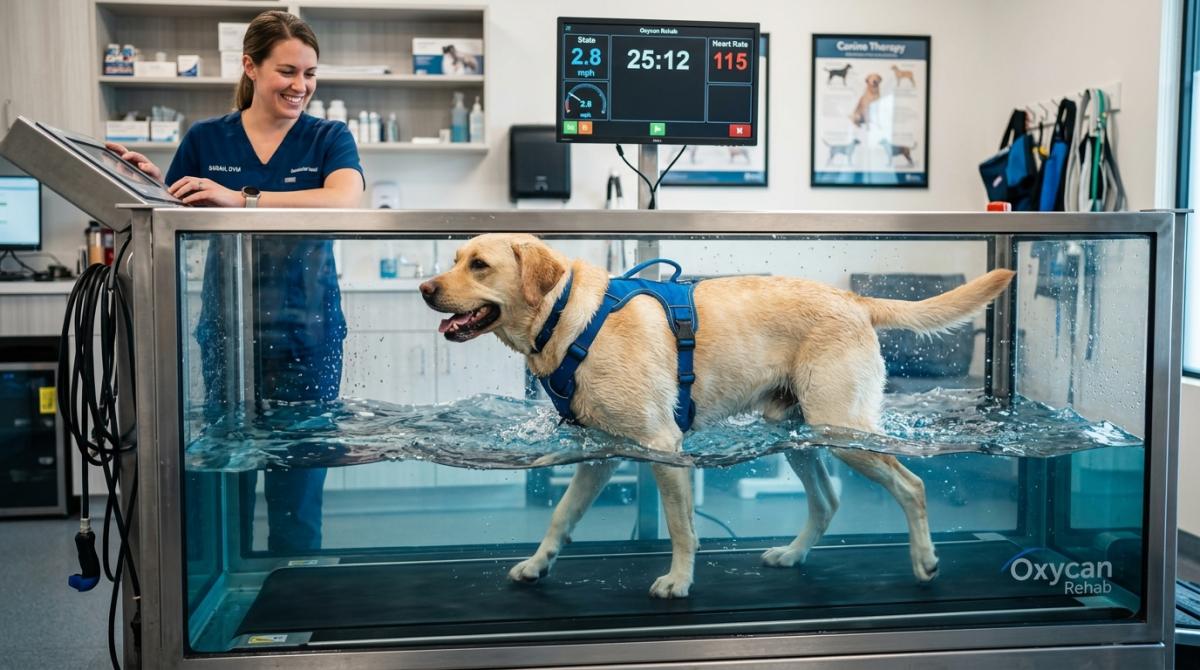
Table Of Contents
Medical Disclaimer: The information provided in this article is for educational and informational purposes only. We are not veterinarians. Always consult with a licensed, board-certified veterinary professional before making medical decisions for your dog or if you suspect your dog has suffered an injury.If your dog has been diagnosed with a torn Cranial Cruciate Ligament (CCL)—the canine equivalent of a human ACL tear- your veterinarian has likely mentioned TPLO surgery. Hearing that your furry best friend needs a major orthopedic operation can be terrifying.
As experts in canine health and wellness, we want to walk you through exactly what this procedure entails. In this article, we'll cover real statistics, recovery timelines, expected costs, and how to help your dog get back on their feet safely.
What is TPLO Surgery?
TPLO stands for Tibial Plateau Leveling Osteotomy. Unlike human ACL repairs that replace the torn ligament, TPLO surgery completely changes the biomechanics of the dog’s knee.
When a dog tears its CCL, the knee becomes unstable, causing the femur (thigh bone) to slide backward off the sloping tibia (shin bone) every time they put weight on the leg. During a TPLO, a board-certified veterinary surgeon makes a curved cut in the tibia, rotates the bone to level the slope, and secures it in place with a specialized metal plate and screws.
Once healed, the knee is completely stable without needing the cruciate ligament at all. Because of its incredible long-term success rates, TPLO is considered the gold-standard treatment, particularly for large, active, and heavy dogs.
TPLO vs. Other CCL Surgeries
TPLO isn't the only option. Depending on your dog's age and weight, your vet might discuss TTA (Tibial Tuberosity Advancement) or Lateral Suture repair. Let's look at how they compare.
| Procedure | Best Suited For | Average Cost Range | Return to Full Activity |
|---|---|---|---|
| TPLO (Tibial Plateau Leveling) | Medium to giant breeds, active dogs | $3,500 - $7,000+ | Excellent (Most return to athletics) |
| TTA (Tuberosity Advancement) | Medium to large breeds, steep tibial angles | $3,000 - $6,000 | Very Good |
| Lateral Suture (Extracapsular) | Small breeds (under 30 lbs), older inactive dogs | $1,500 - $3,000 | Good for low-impact living |
Data compiled from recent veterinary orthopedic cost averages across the United States.
5 Crucial Facts About TPLO Recovery
The success of a TPLO surgery relies just as much on post-operative care as it does on the surgeon's skill. Here is a listicle of five crucial facts you must know about the recovery process:
1. The First Two Weeks are the Hardest
During the first 14 days, your dog will be on strict kennel rest. They will likely be wearing a cone to prevent them from licking the incision, and they must only be taken outside for bathroom breaks on a very short leash.
2. Recovery is Not Linear
You will notice your dog bearing weight on the surgical leg within a few days to a week. However, this does not mean they are healed. The bone takes a minimum of 8 to 12 weeks to fuse properly around the metal plate. If they run or jump too early, the plate can break, requiring a second catastrophic surgery.
3. Physical Therapy is Highly Recommended
Just like humans recovering from knee surgery, dogs benefit massively from physical therapy. Underwater treadmills, cold laser therapy, and passive range-of-motion exercises will speed up healing and rebuild muscle mass.
4. The Opposite Leg is at Risk
Statistics show that roughly 40% to 60% of dogs who tear one CCL will eventually tear the other within a year or two [3]. This is because the ligament degradation is often genetic and degenerative, not just from a sudden trauma. Keeping your dog at a lean weight is the best preventative measure.
🌧️ Extreme Weather Dog Safety & Indoor Play Guide
Don't let scorching summer pavement or freezing winter storms compromise your dog's physical health and mental happiness. Get our comprehensive survival guide delivered instantly.
5. Full Recovery Takes Up to 6 Months
While your dog may seem perfectly normal at the 12-week mark, full bone healing and soft tissue adaptation can take up to six months. Only then can they return to intense activities like agility training or off-leash running.
Local SEO Focus: Safe Rehabilitation and Socialization
As your dog enters the later stages of recovery (weeks 12+), they will need safe, controlled environments to start rebuilding their stamina without risking injury.
Instead of taking them to a muddy, uneven outdoor park where they might slip, consider finding a local indoor facility with rubberized, shock-absorbing flooring. If you live in a warm climate, you can check out our directory for the best indoor dog parks in California. For those centrally located, explore the top-rated indoor dog facilities in Texas.
These climate-controlled environments are perfect for gentle, low-impact walking exercises that won't put undue stress on the healing knee joint.
How Much Does TPLO Surgery Cost?
As highlighted in the data table above, the cost of TPLO surgery is substantial. You can expect to pay anywhere from 3,500 to 7,000 per knee.
Factors influencing the price include:
- Location: Surgeries in high cost-of-living areas like New York or California will lean toward the higher end.
- Surgeon Credentials: Board-certified orthopedic surgeons charge more than general practitioners, but they also bring a higher success rate and lower risk of complications.
- Inclusions: Ask your clinic if the quoted price includes pre-surgical bloodwork, X-rays (both before and 8 weeks after), anesthesia, pain medications, and overnight hospitalization.
If you have pet insurance, TPLO is generally covered as long as the CCL tear wasn't a pre-existing condition documented before the policy's waiting period ended. If you are worried about the financial burden, we highly recommend checking out our owner resources section on financing veterinary care or talking to your clinic about CareCredit.
Returning to Normal Life
Seeing your dog limp in pain is heartbreaking, but the prognosis following TPLO surgery is incredibly optimistic. If you follow your veterinarian's strict confinement rules and prioritize low-impact rehabilitation, your dog will be back to hiking, swimming, and playing fetch before you know it.
While you are preparing your home for a recovering pup, you might also want to look into other dog-friendly activities that don't involve running. Browse our indoor agility courses directory for ideas for when they are fully healed, or locate great small dog areas if you have a smaller breed returning to socialization!
References & Citations:
- American College of Veterinary Surgeons (ACVS) - Cranial Cruciate Ligament Disease.
- Rehabilitation following surgery for cranial cruciate ligament rupture in dogs, Journal of the American Veterinary Medical Association.
- Incidence of contralateral cruciate ligament rupture, Veterinary Surgery Journal.