Why Is My Dog Drinking a Lot of Water? Causes, Symptoms, and Facts

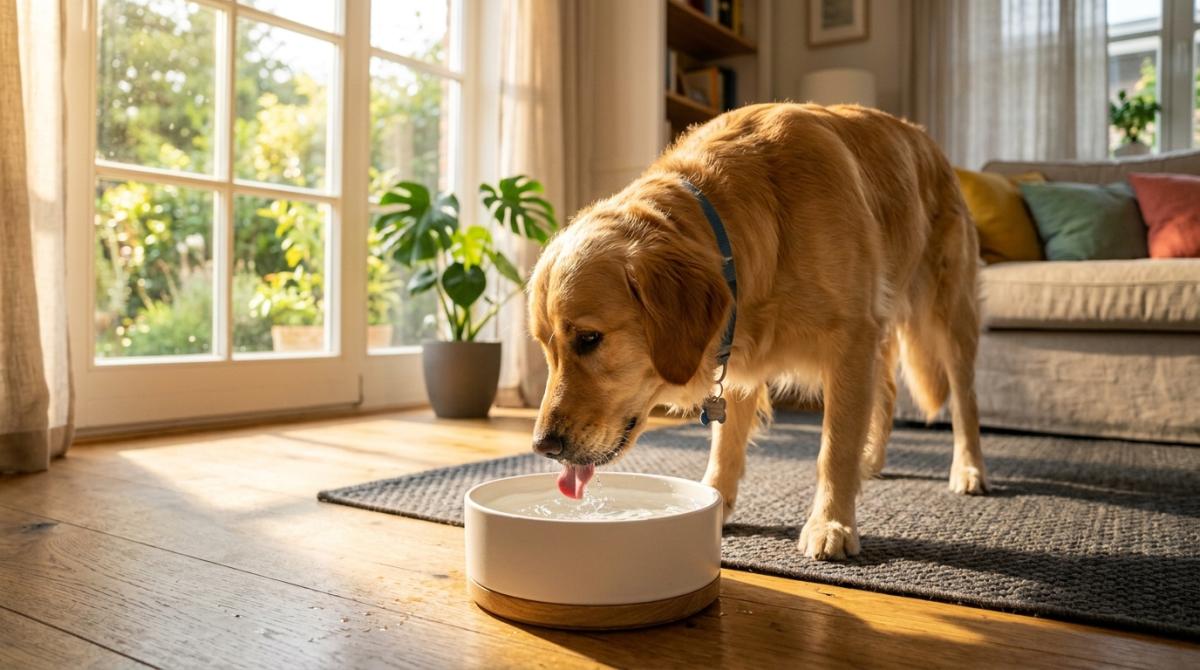
Table Of Contents
Medical Disclaimer: The information provided in this article is for educational and informational purposes only. We are not veterinarians. Always consult with a licensed, board-certified veterinary professional before making medical decisions for your dog, especially if you notice sudden changes in their eating, drinking, or bathroom habits.
As a dog owner, you are deeply attuned to your pet's daily habits. So, when you suddenly notice yourself refilling the water bowl three times a day, or catching your dog slurping out of the toilet bowl, it is natural to feel concerned.
Excessive thirst in dogs is a condition known medically as polydipsia. While it can sometimes be attributed to a hot summer day or a particularly vigorous play session, a sustained increase in water intake is often the first clinical sign of an underlying medical issue. In this article, we will break down what constitutes "normal" drinking, the most common medical causes for excessive thirst, and what you should do next.
What is Considered "Normal" Water Intake?
Before you panic, it is important to understand your dog's baseline hydration needs. A healthy adult dog typically requires approximately 1 ounce of water per pound of body weight per day.
However, several benign factors can influence this:
- Diet: Dogs that eat dry kibble will naturally drink more water than dogs on a wet food or raw diet, as they need to make up for the lack of moisture in their meals.
- Activity Level: Highly active working dogs or dogs participating in agility training will require more hydration to cool down.
- Weather: During hot summer months, dogs use panting to regulate their temperature, which evaporates moisture from their tongues and lungs, leading to increased thirst. You can use our weather safety calculator to determine if it is too hot for outdoor exercise.
To make it easy to understand your dog's baseline, here is a quick reference table.
| Dog Size / Weight | Approximate Daily Water Need (Ounces) | Approximate Daily Water Need (Cups) |
|---|---|---|
| Toy (10 lbs) | 10 oz | ~ 1.25 cups |
| Small (25 lbs) | 25 oz | ~ 3 cups |
| Medium (50 lbs) | 50 oz | ~ 6.25 cups |
| Large (75 lbs) | 75 oz | ~ 9.25 cups |
| Giant (100+ lbs) | 100+ oz | ~ 12.5+ cups |
Note: In veterinary medicine, polydipsia is technically defined as a consistent fluid intake exceeding 100 ml per kilogram of body weight per day (roughly 1.5 ounces per pound).
5 Common Medical Causes of Excessive Thirst
If your dog is consistently drinking far beyond their normal intake, and it is accompanied by increased urination (polyuria), it is time to schedule a vet visit. Here are five of the most common medical culprits.
1. Diabetes Mellitus
Just like in humans, dogs can develop diabetes. When a dog's body cannot produce enough insulin, sugar builds up in the bloodstream. The kidneys attempt to flush this excess glucose out through the urine, which drags a massive amount of water with it. This leaves the dog severely dehydrated, triggering intense thirst.
2. Chronic Kidney Disease (CKD)
The kidneys are responsible for concentrating urine and retaining water in the body. As dogs age, their kidney function can decline. When the kidneys lose their concentrating ability, water passes straight through into the bladder, causing the dog to urinate dilute urine frequently and drink excessively to compensate.
3. Cushing’s Disease (Hyperadrenocorticism)
This is an endocrine disorder where the adrenal glands produce far too much cortisol (the stress hormone). It is particularly common in older dogs. Increased thirst and urination are classic hallmark symptoms, often accompanied by a pot-bellied appearance, hair loss, and panting.
🌧️ Extreme Weather Dog Safety & Indoor Play Guide
Don't let scorching summer pavement or freezing winter storms compromise your dog's physical health and mental happiness. Get our comprehensive survival guide delivered instantly.
4. Urinary Tract Infections (UTIs)
A severe urinary tract infection can cause a dog to drink more water in an attempt to flush the bacteria from their system. If you notice your dog straining to pee, having accidents in the house, or passing cloudy or bloody urine, a UTI is a likely suspect. In unspayed females, increased thirst can also signal a life-threatening uterine infection called pyometra.
5. Certain Medications
If your dog has recently started a new medication, polydipsia could be a side effect. Corticosteroids (like Prednisone), anti-seizure medications (like Phenobarbital), and diuretics (like Furosemide) are notorious for making dogs incredibly thirsty.
Safe Exercise and Hydration
If your dog is undergoing diagnostics for an endocrine or kidney issue, maintaining a healthy, low-stress exercise routine is vital. However, exercising a potentially dehydrated dog in the blistering heat is dangerous.
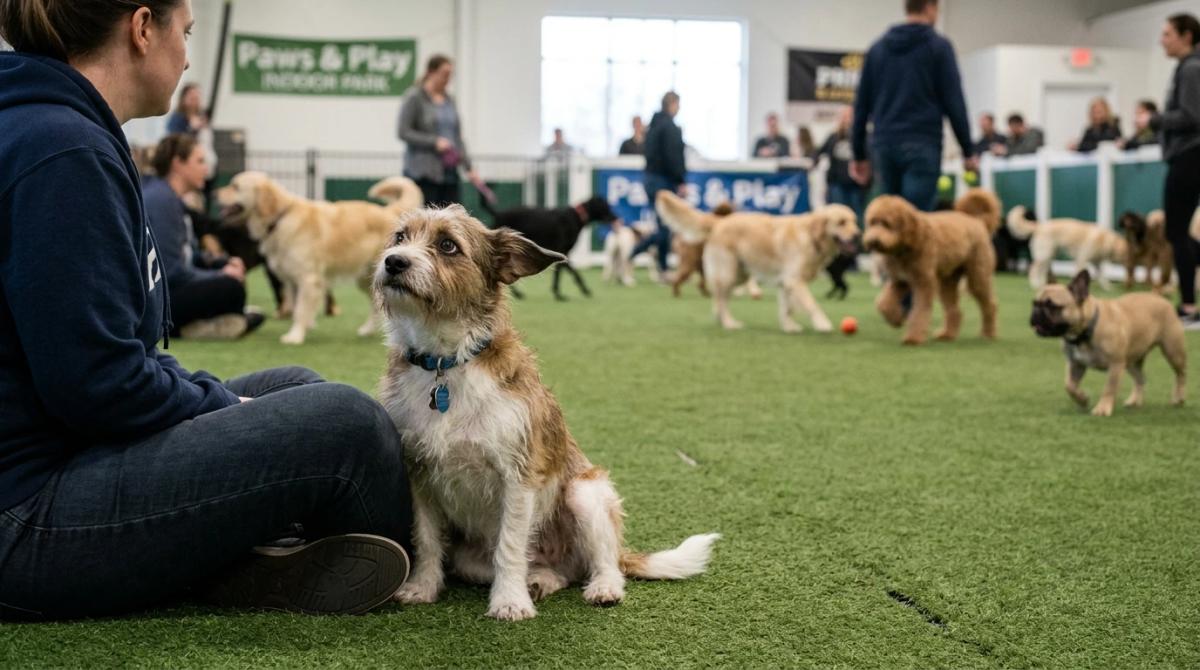
Instead of braving the elements, we highly recommend utilizing climate-controlled indoor spaces. If you live in the Pacific Northwest, check out our directory of the best indoor dog parks in Washington. For those on the East Coast, explore the top-rated indoor dog facilities in Pennsylvania.
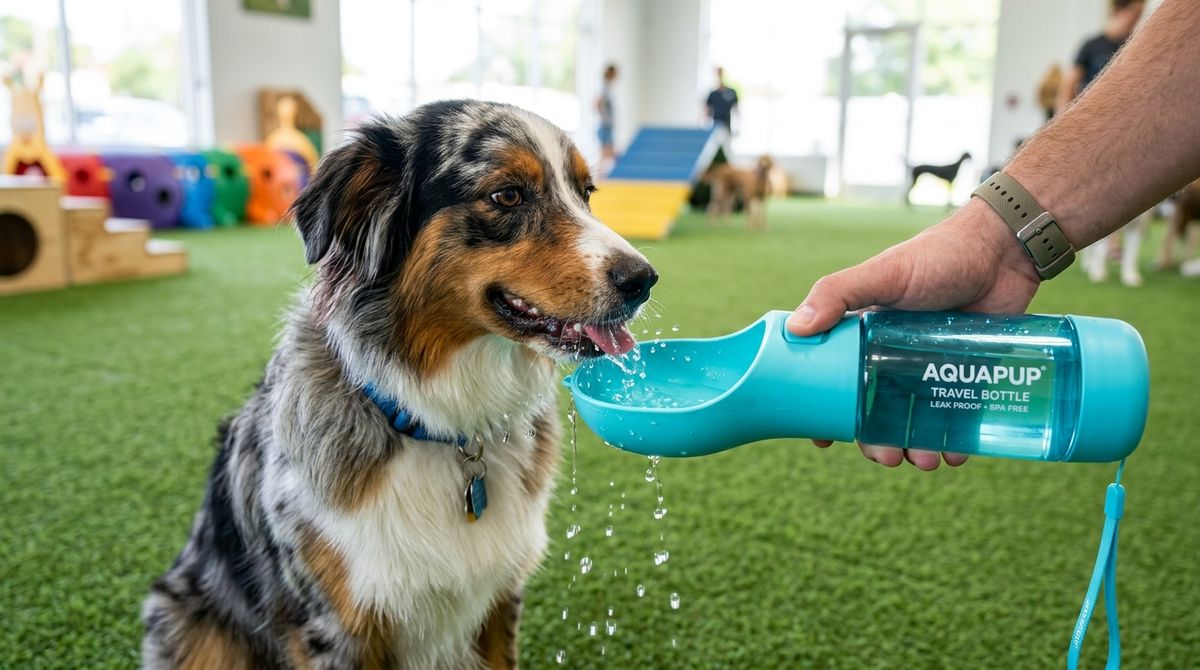
These facilities provide air conditioning and easy access to fresh water stations, ensuring your dog can socialize and exercise safely regardless of underlying health conditions.
What Should You Do Next?
If you suspect your dog has polydipsia, the absolute most important rule is: never restrict their access to water. Restricting water can lead to fatal dehydration and severe electrolyte imbalances in a matter of hours.
Instead, take a proactive approach:
- Measure the Intake: For 48 hours, use a measuring cup to track exactly how much water you put into their bowl and how much is left over at the end of the day.
- Monitor Bathroom Habits: Keep track of how frequently they are asking to go outside, or if they are having accidents inside.
- Book a Vet Appointment: Bring your measurements with you. Your vet will likely perform a physical exam, a blood chemistry panel, and a urinalysis to get to the bottom of the issue.
While dealing with canine health issues can be stressful, prompt diagnosis and treatment are the keys to a long, happy life. If you want to learn more about our mission to provide safe, year-round exercise spaces for all dogs, read about us, or brush up on some basic obedience before your next park visit at our dog training hub!
References & Citations:
- American Veterinary Medical Association (AVMA) - Canine Diabetes.
- Diagnostic Approach to Polyuria and Polydipsia in Dogs, Veterinary Clinics of North America: Small Animal Practice.