Why Is My Dog Throwing Up White Foam? Causes, Facts, and When to Call the Vet

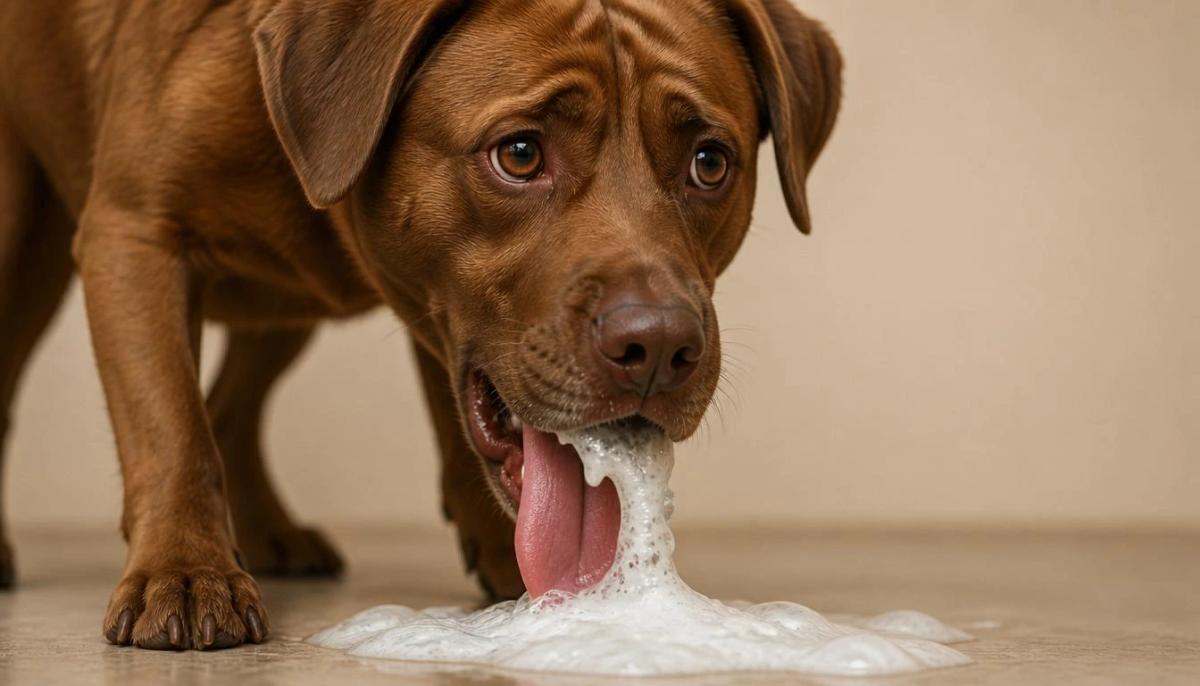
Table Of Contents
As a dog parent, there are few things more anxiety-inducing than waking up to the sound of your furry best friend heaving. When you finally turn on the light and discover your dog is throwing up white foam, panic naturally sets in. What did they eat? Is it a medical emergency? Should you rush to the emergency vet right now?
We understand the stress. At Indoor Dog Park, we’ve seen countless pups experience minor tummy upsets and more serious health scares across our community of local dog parks. Our goal is to empower you with medically accurate, topically relevant information so you can make the best decisions for your canine companion.
In this article, we will dive deep into the real facts and data behind why dogs throw up white foam. We’ll explore the common causes, look at listicle-style breakdowns of potential health issues, and provide clear guidance on when you need to contact a local veterinarian.
Disclaimer: We are passionate pet advocates, but we are not veterinarians. If your dog is showing signs of extreme distress, lethargy, or unresponsiveness, please contact your local vet immediately.
What Exactly Is the White Foam?
Before we look at the causes, it is essential to understand what the white foam actually is. According to veterinary experts, the white, frothy substance your dog is throwing up is typically a mixture of saliva, gastric juices, and swallowed air.
When a dog’s stomach is empty, there is no food to absorb the naturally produced stomach acids and bile. If the stomach becomes irritated, it vigorously contracts. These strong muscle spasms mix the residual liquid with air, churning it into a foamy, white consistency before it is forcefully expelled.
While the foam itself is just aerated bodily fluids, the underlying trigger causing your dog's stomach to contract is what requires your attention.
7 Common Causes of a Dog Throwing Up White Foam
Understanding the root cause is the first step to helping your dog feel better. Here is a detailed breakdown of the seven most common reasons your dog might be throwing up white foam.
1. Bilious Vomiting Syndrome (The Empty Stomach Effect)
One of the most frequent and least concerning reasons a dog throws up white foam is Bilious Vomiting Syndrome. This typically happens early in the morning or late at night when your dog hasn’t eaten for an extended period.
Without food in the stomach, naturally occurring bile and stomach acids accumulate and irritate the stomach lining. This irritation leads to nausea and vomiting. If your dog is otherwise acting completely normal, eating well, and has high energy levels, a simple schedule change like giving them a small snack right before bed can often resolve this issue entirely.
2. Dietary Indiscretion (Eating the Wrong Things)
Dogs explore the world with their mouths. This means they often ingest things they shouldn't. Whether it’s grass from the backyard, a piece of a fuzzy toy, or something unsavory they found during a walk, these foreign objects irritate the digestive tract.
When a dog eats something indigestible, their body’s natural defense mechanism is to expel it. If their stomach is mostly empty at the time, the result is often a puddle of white foam. Monitoring what your dog chews on, especially at local parks, is crucial for prevention.
3. Acid Reflux in Dogs
Just like humans, dogs can suffer from acid reflux. Gastroesophageal reflux occurs when the acidic fluids from the stomach flow backward into the esophagus.
This backward flow causes significant irritation and inflammation in the esophageal lining. To soothe the irritation, the dog's body produces excess saliva. Eventually, this overproduction of saliva, mixed with the rising stomach acid, is coughed or vomited up as a foamy white liquid.
4. Kennel Cough and Respiratory Issues
Sometimes, what looks like vomiting is actually a severe cough. Kennel Cough (Bordetella) and other upper respiratory infections can cause a dry, hacking cough that ends with the dog retching up a small amount of white, foamy phlegm.
If your dog has recently spent time at a boarding facility, a highly populated outdoor dog park, or doggy daycare, they may have been exposed to airborne respiratory viruses. You can learn more about safe socialization on our blog.
5. Gastritis and Stomach Inflammation
Gastritis is a general term for the inflammation of the stomach lining. It can be triggered by a wide variety of factors, including bacterial infections, intestinal parasites, food allergies, or exposure to toxins.
Acute gastritis comes on suddenly and often results in repeated episodes of throwing up white foam. Chronic gastritis is a long-term issue that requires a vet to diagnose through bloodwork, fecal exams, or an ultrasound.
6. Bloat (Gastric Dilatation-Volvulus) – A Medical Emergency
Bloat, scientifically known as Gastric Dilatation-Volvulus (GDV), is a life-threatening emergency. It occurs when a dog's stomach fills with gas and then twists on itself, cutting off blood supply to vital organs.
One of the hallmark signs of bloat is "unproductive retching." The dog will heave repeatedly, trying to vomit, but only a small amount of white foam or thick saliva comes out. Other symptoms include a hard, distended abdomen, extreme restlessness, and pacing. If you suspect bloat, you must get your dog to an emergency vet immediately. Time is of the essence.
7. Pancreatitis
Pancreatitis is the inflammation of the pancreas, an organ responsible for producing digestive enzymes. When inflamed, these enzymes begin to digest the pancreas itself, causing extreme pain and systemic illness.
🌧️ Extreme Weather Dog Safety & Indoor Play Guide
Don't let scorching summer pavement or freezing winter storms compromise your dog's physical health and mental happiness. Get our comprehensive survival guide delivered instantly.
Dogs with pancreatitis often throw up repeatedly (frequently white or yellow foam), suffer from severe diarrhea, lose their appetite entirely, and exhibit a hunched posture due to abdominal pain. This condition often spikes after a dog consumes a meal very high in fat.
Understanding Canine Vomiting Triggers
To better visualize the difference between minor stomach upsets and severe medical emergencies, we have compiled the data into a comprehensive table. This helps you quickly assess the severity of your dog's symptoms.
| Condition | Primary Symptoms | Severity Level | Action Required |
|---|---|---|---|
| Bilious Vomiting | Morning vomiting, otherwise healthy and active. | Low | Adjust feeding schedule. |
| Dietary Indiscretion | One-time vomiting, grass in vomit. | Moderate | Monitor closely; withhold food for 12 hours. |
| Kennel Cough | Hacking cough followed by white phlegm. | Moderate | Schedule a non-emergency vet visit. |
| Pancreatitis | Repeated vomiting, hunched back, lethargy. | High | Immediate veterinary care. |
| Bloat (GDV) | Unproductive retching, swollen belly, pacing. | Critical Emergency | Rush to emergency vet immediately. |
Is It Vomiting or Coughing?
It is incredibly common for pet owners to confuse vomiting with coughing, especially when respiratory issues like Kennel Cough are involved. When a dog coughs vigorously, they often end the coughing fit with a gagging reflex that produces a small puddle of white foam.
Understanding the physiological differences can help you provide better information to your veterinarian.
| Symptoms of Vomiting | The Overlap | Symptoms of Coughing |
|---|---|---|
|
|
|
Visualizing the difference can help you distinguish between gastrointestinal distress and respiratory illness.
When Should You Take Your Dog to the Vet?
While an isolated incident of throwing up white foam isn't always a cause for immediate alarm, certain symptoms are massive red flags. If you are ever in doubt, the safest course of action is to call your vet.
Seek immediate veterinary attention if you observe any of the following:
- Persistent Vomiting: If your dog throws up multiple times in a single day, or cannot keep water down, they are at high risk of severe dehydration.
- Unproductive Retching: As mentioned above, trying to vomit but producing nothing is a primary indicator of bloat.
- Lethargy or Weakness: A dog that is unusually tired, unresponsive, or refusing to move is a dog in distress.
- Behavioral Changes: Hiding, trembling, or showing signs of pain when you touch their abdomen.
- Other Symptoms Combined: If the white foam is accompanied by diarrhea, fever, or a pale gum color.
According to veterinary experts at the American Kennel Club (AKC), dehydration can set in rapidly, especially in small breeds and puppies. Do not take a "wait and see" approach if multiple symptoms are present.
Finding Care Near Your Indoor Dog Park
If you are out enjoying an afternoon at a local indoor dog park and your dog suddenly starts hacking up white foam, knowing the local area is critical.
When you use our directory to search for indoor dog parks near me, we highly recommend also doing a quick search for the nearest 24/7 emergency veterinary hospital in that same city. For example, if you are visiting a premium dog park in downtown Chicago or a sprawling indoor facility in Dallas, take two minutes to save the contact info of the closest emergency vet in your phone.
Being prepared is a core part of responsible pet ownership. If an emergency like Bloat (GDV) strikes, knowing exactly where to drive can save precious minutes. Feel free to contact our team if you want recommendations on how to prepare a local emergency kit for your park visits.
Home Remedies and Prevention Tips
If your vet has ruled out any serious medical conditions and determined your dog simply has a mild upset stomach or Bilious Vomiting Syndrome, there are several things you can do at home to help.
1. Adjust Their Feeding Schedule
If the issue is an empty stomach in the morning, split their daily food allowance into three or four smaller meals instead of two large ones. Giving them a small, high-protein biscuit right before bedtime can absorb overnight stomach acid.
2. Use a Slow Feeder Bowl
Dogs that inhale their food swallow massive amounts of air. This trapped air can mix with stomach juices and result in a foamy mess. A slow feeder bowl forces them to chew and pace themselves, reducing the risk of vomiting and bloat.
3. Monitor Park Visits Closely
When visiting an indoor dog park, keep a close eye on what your dog is putting in their mouth. Prevent them from licking communal floors or chewing on shared toys that might harbor bacteria. Bring your own fresh water bowl to minimize the transmission of kennel cough.
4. Transition Diets Slowly
If you are changing your dog's kibble, do it gradually over a 7-to-10-day period. Sudden changes in diet are notorious for causing gastritis and foamy vomit.
Conclusion
Seeing your dog throwing up white foam is never a pleasant experience. However, by understanding the facts, recognizing the difference between a minor stomach upset and a severe emergency, and knowing your local veterinary resources, you can handle the situation with confidence.
Remember, you know your dog better than anyone else. If their behavior seems off, or if the vomiting is persistent, trust your gut and consult a professional.
For more tips on keeping your dog healthy, active, and safe, explore the rest of our articles on the Indoor Dog Park Blog. Safe playing and happy tails!
Citations and References:
- American Kennel Club (AKC): "Why Is My Dog Throwing Up White Foam?" (Health & Expert Advice)
- VCA Animal Hospitals: "Bilious Vomiting Syndrome in Dogs"
- American Veterinary Medical Association (AVMA): "Canine Infectious Respiratory Disease Complex (Kennel Cough)"
- Pieper Veterinary: "Understanding Canine Vomiting and Gastrointestinal Emergencies."
- Veteris Emergency Care: "Red Flags in Dog Vomiting: When to Call the Vet."