How to Tire Out a High-Energy Dog Indoors (Without Ruining Your House)

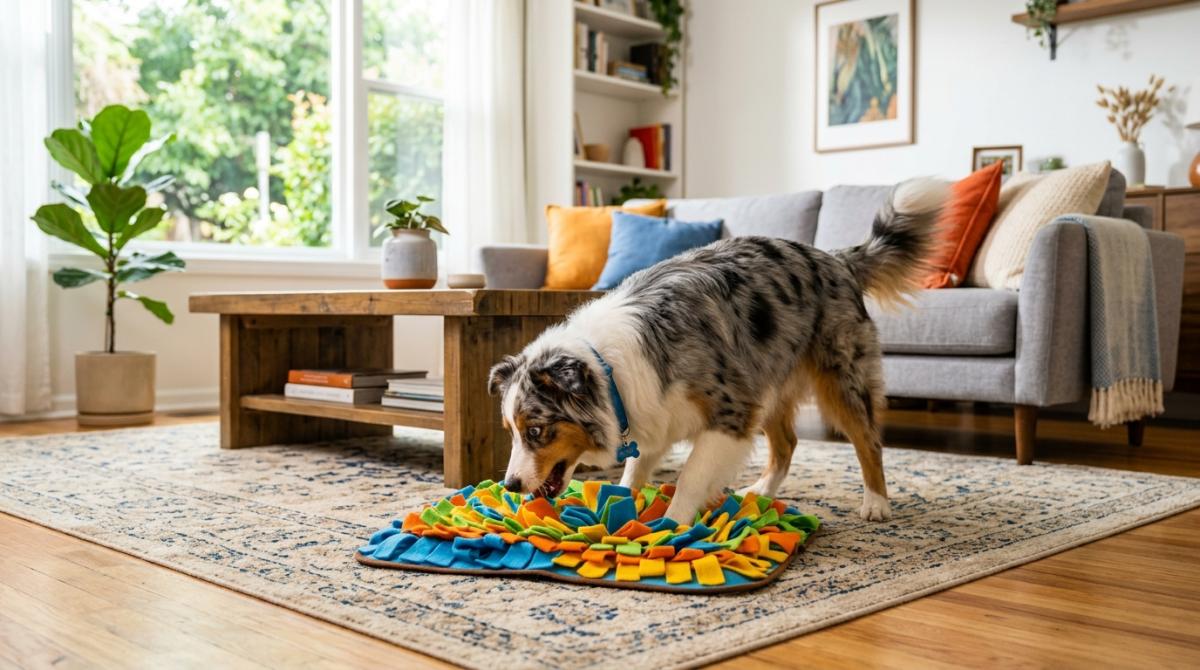
Table Of Contents
If you own a working breed, a terrier, or a relentlessly energetic puppy, you know the struggle of a rainy day or a blazing hot summer afternoon. When extreme weather strikes and your standard three-mile walk or trip to the local dog park is suddenly off the table, a high-energy dog can quickly turn your living room into a chaotic racetrack.
As a dedicated resource for dog owners, we are committed to providing the most accurate, scientifically backed, and rigorously researched information possible to help you manage your dog's behavioral and physical needs. For more information on our editorial guidelines and mission, please visit our About Us page, or reach out directly via our Contact page.
In this comprehensive guide, we will break down the science of canine exhaustion and provide you with highly effective, structured games to tire your dog out indoors—without destroying your furniture.
The Secret: Mental Fatigue vs. Physical Exhaustion
The biggest mistake dog owners make when trapped inside is trying to replicate outdoor physical exercise in an indoor space. Throwing a tennis ball down a hallway for an hour might slightly elevate your dog's heart rate, but for an athletic breed like a Border Collie, a Husky, or a German Shepherd, it barely scratches the surface of their endurance.
Instead, the secret to indoor exhaustion is mental stimulation.
Veterinary behaviorists note that 15 to 20 minutes of intense brain work (such as scent tracking, obedience training, or puzzle-solving) can be just as exhausting for a dog as a three-mile run. By forcing your dog to focus, problem-solve, and use their nose, you drain their cognitive energy, which quickly translates to a calm, sleepy dog.
If you are keeping your dog inside to avoid dangerous weather, remember that heat exhaustion can happen quickly even on short potty breaks. Review our Q3 2026 Summer Dog Heat Safety guide to ensure you are recognizing the early warning signs of overheating.
Top 5 Indoor Games to Burn Canine Energy
Here are the five most effective, structured games you can play inside your home to quickly drain your dog's excess energy.
1. "Find It" (Scent Work)
A dog’s primary sense is smell, and processing complex scents requires a massive amount of neurological processing power. The "Find It" game leverages this natural instinct.
How to Play:
- Start by putting your dog in a "Sit" and "Stay" command.
- Hide a highly aromatic treat (like dried liver or a piece of cheese) in plain sight.
- Release them with the command "Find It!" and praise them when they eat the treat.
- Gradually increase the difficulty by hiding the treats under towels, behind furniture cushions, or inside cardboard delivery boxes.
Note: If your dog becomes obsessed with licking their paws out of boredom rather than playing, it might not just be anxiety—it could be a fungal issue. Learn more in our guide to recognizing paw yeast infections.
2. Structured Tug-of-War
Many owners avoid playing tug indoors because it can elevate a dog's arousal levels and lead to zoomies. However, structured tug is an incredible physical and mental workout.
How to Play:
🌧️ Extreme Weather Dog Safety & Indoor Play Guide
Don't let scorching summer pavement or freezing winter storms compromise your dog's physical health and mental happiness. Get our comprehensive survival guide delivered instantly.
- Use a durable rope toy. Ask your dog to "Sit" before presenting the toy.
- Engage in vigorous tugging for 30 to 60 seconds.
- Suddenly freeze, stop pulling, and issue a firm "Drop It" command. (You may need to trade a high-value treat for the toy initially).
- Once they drop the toy, ask them to "Sit" again before immediately rewarding them with another round of tug.
This game forces the dog to slam the brakes on their physical arousal and engage their impulse control, which is incredibly mentally taxing.
3. DIY Puzzle Feeders
Never feed a high-energy dog out of a standard bowl on a rainy day. Make them work for every single piece of kibble.
How to Play:
- The Muffin Tin: Place kibble in the cups of a metal muffin tin, and place a tennis ball over every cup. The dog must figure out how to lift or nudge the balls out of the way to get their meal.
- The Towel Roll: Lay a large bath towel flat, sprinkle kibble across it, and roll it up tightly. Tie it in a loose knot. The dog must sniff, dig, and unroll the towel to eat.
Warning: If you have a multi-dog household, monitor puzzle feeding closely. If one dog begins growling or snapping over the puzzle, you are dealing with resource guarding. For professional help, consult our guide to finding the best dog trainers for resource guarding.
4. The Treat Toss Recall (Doggy Ping-Pong)
This game requires a long hallway and ideally two people, making it a great family activity.
How to Play:
- Have one person stand at the end of a hallway with a handful of small training treats, and the second person at the other end.
- Person A calls the dog enthusiastically. When the dog runs over, they get a treat.
- Immediately, Person B calls the dog back.
- If you are alone, you can achieve a similar effect by tossing a treat down the hallway, letting the dog eat it, and then enthusiastically calling them back to you for a second treat.
This builds a rock-solid recall response while getting them to sprint safely back and forth in a straight line.
5. Teaching a Complex New Trick
Tricks that require a high degree of body awareness and focus are exhausting for dogs to learn. Instead of practicing basic commands they already know, try teaching them something entirely new, like:
- "Spin" (Chasing their tail in a circle on command)
- "Crawl" (Moving forward while maintaining a down position)
- "Back Up" (Walking backwards away from you)
Keep training sessions short—no more than 10 to 15 minutes—to prevent frustration.
Comparing Indoor Energy Burners
Use this quick reference table to decide which activity is best suited for your dog's current mood and your available indoor space.
| Activity Type | Primary Benefit | Space Required | Best For... |
|---|---|---|---|
| "Find It" (Scent Work) | Intense mental fatigue | Minimal (Single room) | Hounds, Beagles, and highly food-motivated dogs. |
| Structured Tug | Physical burn & impulse control | Minimal (Cleared living room) | Terriers, Bully breeds, and high-drive working dogs. |
| DIY Puzzle Feeders | Independent problem solving | Zero (Dog bed or rug) | Fast eaters and dogs who need a distraction while you work. |
| Treat Toss Recall | Physical sprinting & obedience | Moderate (Long hallway) | Herding breeds (Collies, Aussies) who love to run. |
The Ultimate Solution: Find a Facility Near You
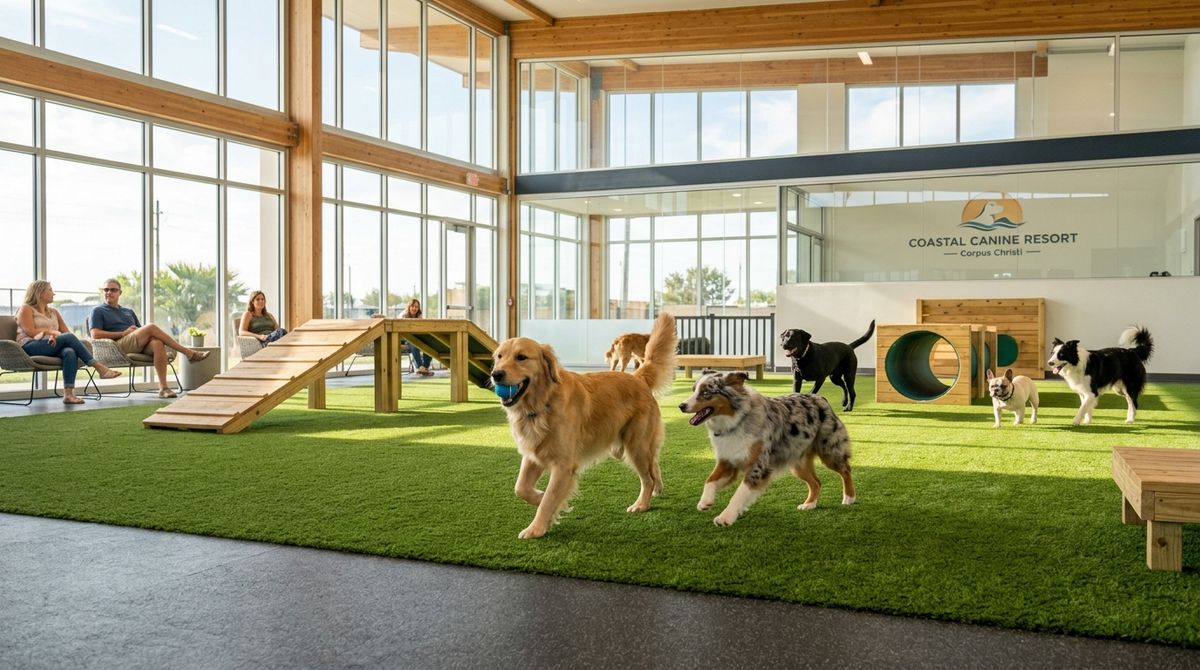
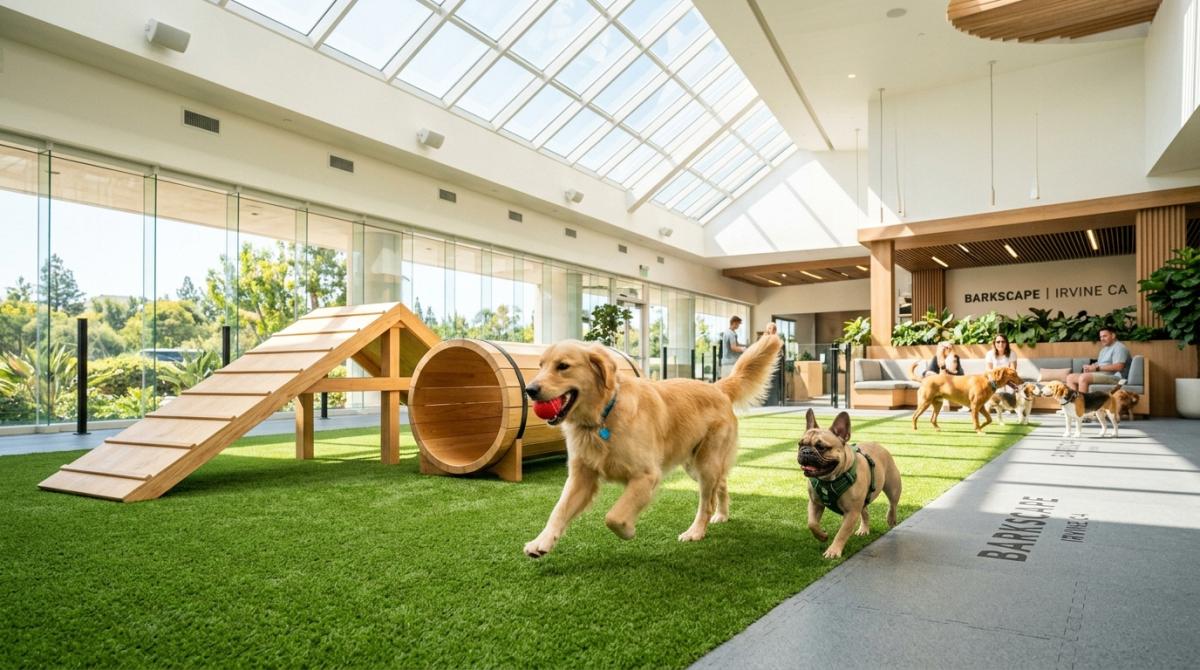
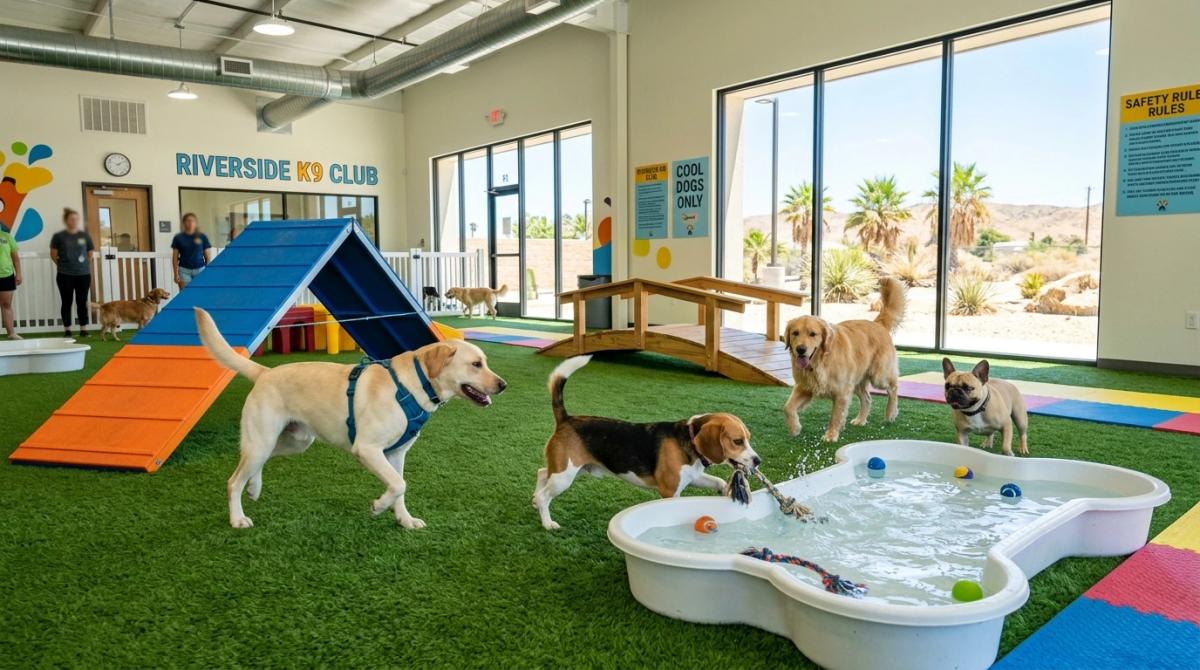
Of course, the absolute best way to tire out a high-energy dog indoors without sacrificing your own furniture is to visit a dedicated indoor dog park. These specialized, climate-controlled facilities are popping up all across the country. They offer the off-leash socialization of a traditional park, but with the safety of rubberized flooring and powerful air conditioning.
If you are dealing with a hyperactive dog during extreme weather, you don't have to suffer alone in your living room. Engage their brains with scent work, practice their impulse control with structured tug, and turn their dinnertime into a puzzle. A tired dog is a good dog—even when you are stuck inside!