Indoor Dog Park Franchise: Costs, Top Brands, and How to Get Started


Table Of Contents
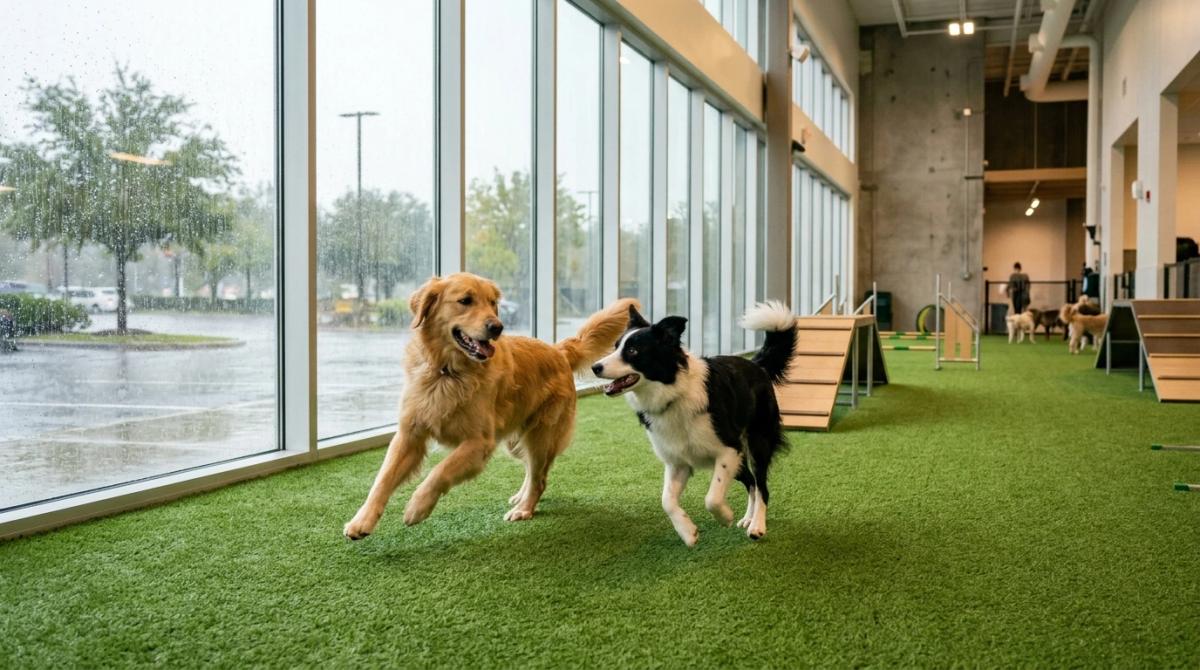
The American pet industry is booming. Projected to exceed $165 billion by the end of 2026, it is one of the most recession-resistant sectors in the entire economy. Within this massive market, one of the fastest-growing niches is the indoor dog park—a climate-controlled, off-leash facility that allows dogs to safely socialise and exercise regardless of weather conditions.
If you have ever walked into a premium indoor dog park and thought, "I could run one of these," you are not alone. The indoor dog park franchise model is attracting serious entrepreneurial attention because it combines a genuine passion for animals with a proven, recurring-revenue business structure that mirrors the gym membership model.
In this article, we will break down exactly what it costs to open an indoor dog park franchise, compare the leading franchise brands, and walk you through the critical steps to get started. As a dedicated resource for dog owners and the indoor dog park industry, we are committed to providing the most accurate, rigorously researched information possible. For more on our editorial standards, please visit our About Us page.
Why the Indoor Dog Park Model is Exploding
Before we talk about specific franchise opportunities, it is important to understand why this particular business model is resonating so strongly with both investors and customers.
1. Weather-Proof Revenue
Traditional outdoor dog parks are entirely dependent on weather. In cities like Chicago, Boston, and Minneapolis, brutal winters make outdoor play dangerous for months at a time. In sun-belt cities like Phoenix and Houston, extreme summer heat creates the same problem. An indoor, climate-controlled facility generates consistent revenue 365 days a year, completely immune to seasonal swings.
2. The Recurring Membership Model
The most successful indoor dog park franchises do not rely on one-time day passes. They sell monthly memberships—typically ranging from 30to30to60 per month—creating a predictable, subscription-based revenue stream that investors and lenders love. This is the same financial engine that powers massive fitness chains.
3. Millennials and Gen Z Are Spending More on Pets Than Ever
According to the American Pet Products Association (APPA), younger generations are spending significantly more per pet than any previous generation. They view their dogs as family members and are willing to pay a premium for safe, high-quality enrichment experiences – exactly what an indoor dog park provides.
If you want to understand the broader landscape of why these facilities are so important, we recommend reading our industry report: 2026 State of Indoor Dog Parks.
How Much Does an Indoor Dog Park Franchise Cost?
This is the first question every prospective franchisee asks, and the answer depends heavily on the brand, your geographic market, and the size of the facility.
Typical Cost Breakdown
| Cost Category | Estimated Range | Notes |
|---|---|---|
| Franchise Fee | $40,000 – $50,000 | One-time upfront fee for the brand license, training, and operational playbook. |
| Total Initial Investment | $235,000 – $1,500,000+ | Includes buildout, equipment, flooring, HVAC, signage, and working capital. |
| Liquid Capital Required | $150,000 – $300,000+ | Cash you need readily accessible (not tied up in real estate or retirement). |
| Net Worth Required | $500,000 – $1,000,000+ | Total personal assets minus liabilities. Higher for premium brands. |
| Ongoing Royalty Fee | 6% – 7% of Gross Revenue | Paid monthly to the franchisor for ongoing support and brand use. |
| Marketing Fund Contribution | 1% – 2% of Gross Revenue | Funds national advertising campaigns managed by the franchisor. |
The biggest variable cost is typically the facility buildout. Converting a standard commercial warehouse into a dog-safe environment requires specialized HVAC (industrial-grade ventilation is absolutely non-negotiable for odor control), durable rubberised or K9 turf flooring, double-gated entry/exit vestibules, and plumbing for wash stations.
Top Indoor Dog Park Franchise Brands Compared
Here are the leading franchise brands currently operating in the indoor dog park and social club space.
1. Dogtopia
Dogtopia is the largest and most established name in the premium dog daycare and indoor play space market. With over 250 locations across North America, it is the Starbucks of the pet care franchise world.
Investment Range: 664,355–14,478,820 Franchise Fee: $49,500 What You Get: Proprietary webcam technology (so owners can watch their dogs remotely), a comprehensive training program, national brand recognition, and a deeply refined operational playbook covering everything from pack management to staff hiring.
2. Wagbar
Wagbar is a newer, rapidly expanding concept that specifically targets the indoor dog park + bar demographic. It blends a massive off-leash indoor park with a full-service bar, creating a social destination for both humans and dogs.
🌧️ Extreme Weather Dog Safety & Indoor Play Guide
Don't let scorching summer pavement or freezing winter storms compromise your dog's physical health and mental happiness. Get our comprehensive survival guide delivered instantly.
Investment Range: 470,300–1,145,900 Franchise Fee: $45,000 What You Get: A dual-revenue model (memberships + food/beverage sales), strong appeal to the millennial demographic, and a unique brand position as a social club rather than a traditional daycare. This model closely aligns with popular concepts like Snouts and Stouts Indoor Dog Park and Bar.
3. Barx Parx
Barx Parx positions itself as a community-focused indoor dog park. Their model emphasises trained "park rangers” who actively supervise the play floor, ensuring safety standards are significantly higher than a standard public dog park.
Investment Range: Varies by market Franchise Fee: Contact directly What You Get: A membership-based recurring revenue model, dedicated small and large dog zones, and a strong focus on safety that includes temperament assessments for all dogs.
4. The Dog Stop
The Dog Stop is an all-in-one franchise that offers indoor play, grooming, boarding, training, and a retail shop under one roof. It is designed for franchisees who want to maximize every possible revenue stream from a single facility.
Investment Range: Varies by market Franchise Fee: Contact directly What You Get: An incredibly diversified business model that reduces reliance on any single revenue source. If memberships slow down, grooming and boarding pick up the slack.
Critical Steps Before You Sign a Franchise Agreement
Buying into a franchise is a massive financial commitment. Before you sign anything, you must take these critical steps.
1. Review the Franchise Disclosure Document (FDD)
Every legitimate franchise is legally required to provide you with a Franchise Disclosure Document at least 14 days before you sign any agreement or pay any money. The FDD contains 23 items, including the franchisor's litigation history, the total list of current and former franchisees (whom you should call directly), and detailed financial performance representations (Item 19). Hire a franchise attorney to review this document with you. Do not skip this step.
2. Research Your Local Market
Not every city can support an indoor dog park franchise. You need a dense population of dog owners with disposable income. Analyse the demographics of your target area. Look at the existing competition by exploring our city-specific guides for markets like Dallas, Denver, New York City, and San Diego to understand the competitive landscape before committing.
3. Understand Local Zoning and Licensing
This is where many first-time franchise buyers get blindsided. Not every commercial zone permits a "pet care facility”. You will need to work with your local planning and zoning department to confirm that an indoor dog park is allowed in your desired location. You will also need commercial liability insurance, which is an entirely separate hurdle. For more on the insurance side, our guide on Dog Day Care Insurance: Protecting Your Pet Business is essential reading.
4. Secure Financing
Most franchisees do not pay the full initial investment out of pocket. SBA (Small Business Administration) loans are the most common financing route for franchise investments. Some franchisors have established relationships with preferred lenders and will walk you through the application process.
Franchise vs. Going Independent: Which Path is Right for You?
If you have the entrepreneurial spirit to build something from scratch, you might be wondering whether you even need a franchise at all. We have a detailed guide that walks through the independent route: How to Start an Indoor Dog Park: A Step-by-Step Guide. We also explored the challenges and opportunities of independent ownership in our analysis: Why Indoor Dog Parks Are Rare: Challenges and Opportunities.
The short answer: a franchise trades creative freedom for reduced risk. You pay a premium (franchise fee + ongoing royalties) in exchange for a proven business model, brand recognition, and corporate support. Going independent gives you total control but requires you to build every system, marketing campaign, and operational process from zero.
Conclusion
The indoor dog park franchise market is entering a period of explosive growth, fuelled by a pet-obsessed consumer base, weather-proof business models, and the powerful economics of recurring membership revenue. Whether you choose a full-scale brand like Dogtopia or a social-club concept like Wagbar, or go the independent route, the key to success lies in meticulous market research, thorough due diligence on the FDD, and a genuine passion for creating safe, enriching spaces for dogs.
For questions about our directory or to discuss listing your facility, please feel free to reach out via our Contact page.