Indoor Dog Park vs. Doggy Daycare: Which is Right for Your Pup?

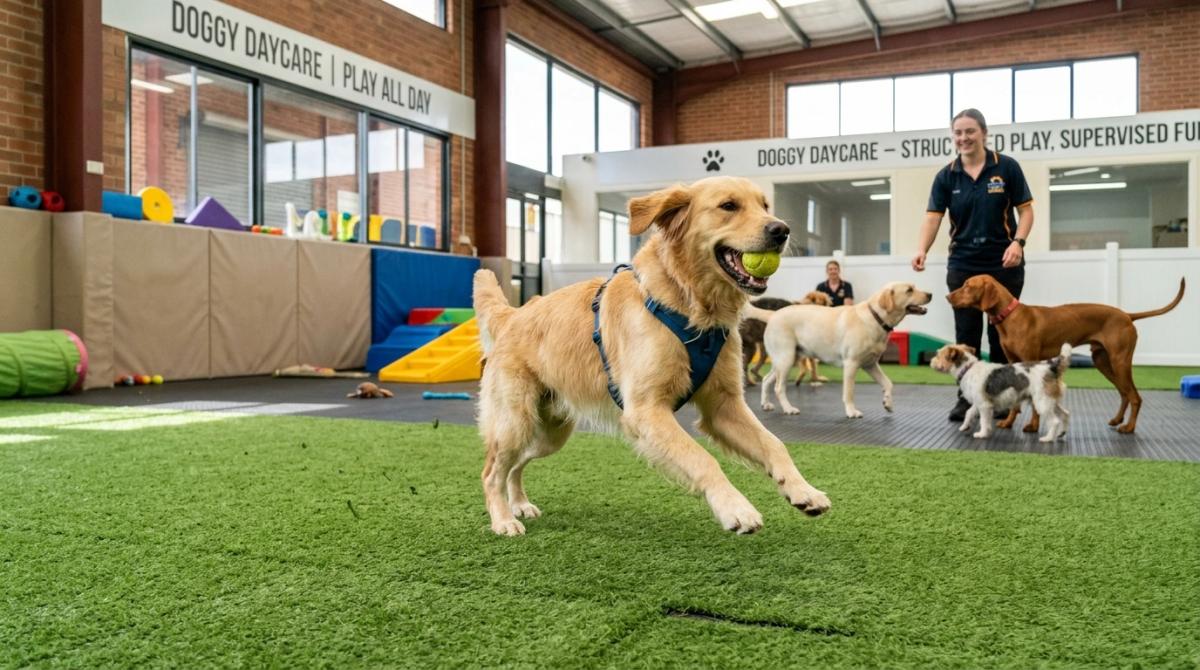
Table Of Contents
As the pet care industry rapidly evolves, dog owners are no longer forced to choose between leaving their high-energy dog at home or risking the chaotic, unpredictable environment of an outdoor public dog park. Today, two massive alternatives dominate the canine socialization scene: Doggy Daycares and premium Indoor Dog Parks.
At first glance, these two options might seem identical. Both provide a climate-controlled environment, both offer off-leash play, and both promise to return a tired, happy dog to you at the end of the day. However, they operate on fundamentally different business models that dramatically affect your dog's safety, behavioral development, and your wallet.
As a dedicated resource for pet parents, our editorial team rigorously evaluates canine enrichment facilities. For more on our evaluation standards, you can visit our About Us page or reach out directly via our Contact page.
In this comprehensive breakdown, we will examine the pros, cons, and crucial differences between indoor dog parks and doggy daycares to help you make the best decision for your furry best friend.
Understanding the Core Difference: Supervision vs. Independence
The absolute primary difference between these two facilities comes down to who is responsible for the dog while they are inside the building.
- Doggy Daycare is a drop-off service. You surrender your dog to trained professionals for a set number of hours. The staff assumes total responsibility for monitoring play, enforcing breaks, and breaking up conflicts.
- An Indoor Dog Park is a stay-and-play facility. You do not leave the premises. Just like a traditional outdoor park, you are actively responsible for supervising your own dog, reading their body language, and removing them if play gets too rough.
This simple distinction completely changes the atmosphere, the pricing, and the type of dog that thrives in the environment.
The Case for Doggy Daycare
Doggy daycare centers have exploded in popularity over the last decade, primarily catering to working professionals who do not want their dogs sitting alone for eight to ten hours a day.
1. Professional Supervision and Pack Management
High-quality doggy daycares employ staff trained in canine body language, pack management, and pet first aid. They know the difference between healthy wrestling and escalating aggression. Furthermore, daycares structure the day. Instead of non-stop adrenaline, professional facilities enforce mandatory "nap times" in quiet kennels to prevent dogs from becoming dangerously overstimulated.
2. Strict Behavioral and Medical Screening
You cannot simply walk into a doggy daycare and drop off your dog. Legitimate facilities require a multi-day behavioral assessment (a "temperament test") to ensure your dog is not reactive or aggressive. If a dog shows signs of bullying or resource guarding, they fail the test.
Because of this strict vetting, the pack is generally much safer than a public dog park. If you currently have a dog struggling with behavioral issues, a daycare won't fix it you will need professional help. See our guide on finding the best dog trainers for resource guarding.
3. The Convenience Factor
For a busy professional, daycare is unmatched. You drop the dog off at 7:30 AM, go to work, run errands, and pick them up at 5:30 PM. The dog is exhausted, and you did not have to sacrifice an hour of your own evening to exercise them.
The Drawbacks of Daycare:
- Cost: Daycare is expensive. Averaging 30to30to50 per day, daily use can easily exceed $800 a month.
- Separation Anxiety: You are not there to comfort your dog, which can be highly stressful for timid pups.
The Case for Indoor Dog Parks
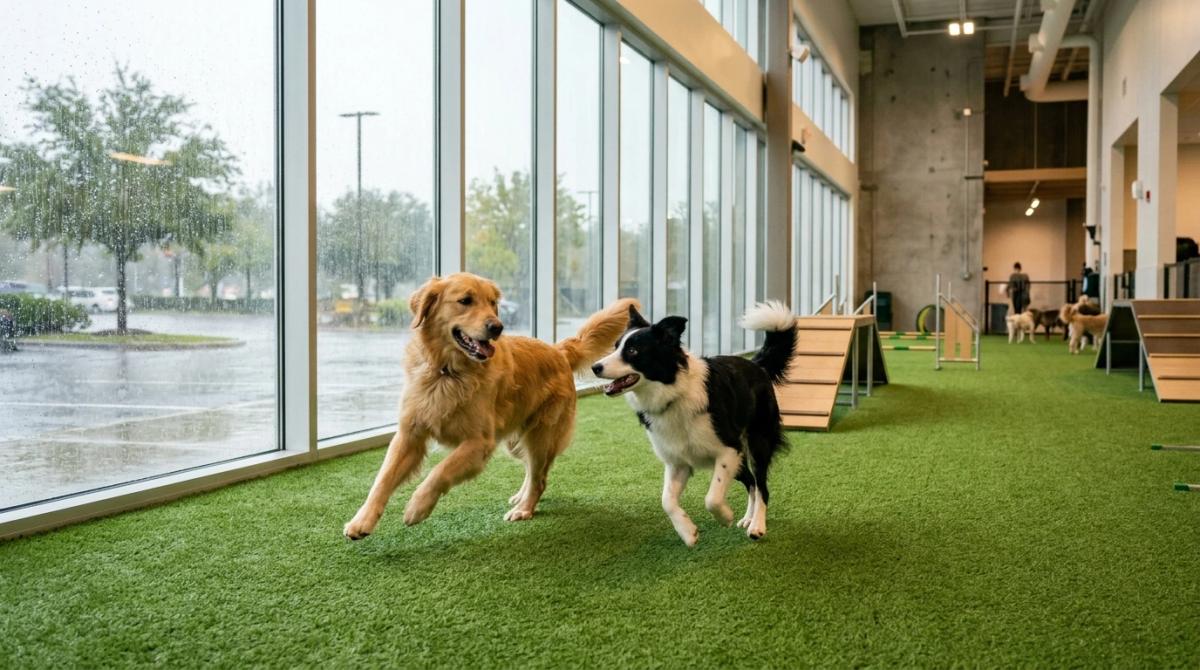
Indoor dog parks are a relatively new, highly sought-after concept. They are essentially massive, climate-controlled warehouses featuring specialized K9 turf, agility equipment, and often, a bar or coffee shop for the owners.
🌧️ Extreme Weather Dog Safety & Indoor Play Guide
Don't let scorching summer pavement or freezing winter storms compromise your dog's physical health and mental happiness. Get our comprehensive survival guide delivered instantly.
1. Active Owner Involvement and Bonding
Unlike daycare, an indoor dog park requires you to stay. This turns exercise into a bonding activity. You get to throw the ball, run alongside them, and actively participate in their joy. For many owners, watching their dog play is the best part of their day.
2. Flexible Scheduling and Cost Efficiency
Daycares require reservations, strict drop-off windows, and steep daily fees. Indoor dog parks operate on a much more flexible model. You can buy a day pass for 10to10to15, or a monthly unlimited membership for around $40. You can drop in for exactly 45 minutes on a rainy Sunday afternoon without needing to book a slot three days in advance.
If you are traveling and want to see what these premium facilities look like in action, check out our review of the Top 5 Best Indoor Dog Parks in Memphis.
3. The Social Element for Humans
Indoor dog parks are rapidly becoming community hubs. Many feature craft beer, Wi-Fi lounges, and food trucks. It allows dog owners to socialize with like-minded people while their dogs burn off energy safely out of the weather elements.
The Drawbacks of Indoor Dog Parks:
- Variable Supervision: While premium indoor parks have "Pack Leaders" monitoring the floor, you are still primarily responsible for your dog. You are also at the mercy of other owners paying attention to their dogs.
- The "Unknown Dog" Factor: While most require vaccination records, they generally do not require strict, multi-day temperament tests like a daycare does. You never know exactly who your dog will be playing with on any given day.
Health and Safety Considerations
Both options share common health risks because they pack dozens of dogs into an enclosed space. The primary concern is Bordetella (Kennel Cough), a highly contagious respiratory infection.
Whether you choose a daycare or an indoor park, the facility must mandate that all dogs are up-to-date on Rabies, Distemper, Parvovirus, and Bordetella vaccines. If a facility allows you to walk in without checking your vet records, turn around and leave immediately.
Furthermore, young puppies who have not completed their full vaccination series should not attend either. Instead, look for controlled puppy socialization classes hosted by certified trainers.
The Ultimate Comparison Breakdown
Use this quick reference guide to compare the two models at a glance.
| Feature | Doggy Daycare | Indoor Dog Park |
|---|---|---|
| Supervision Model | Drop-off; 100% staff supervised. | Stay-and-play; Owner supervised. |
| Cost Estimate | $30 - $50+ per day. | $10 - $20 Day Pass / $40 Monthly. |
| Behavioral Vetting | Strict, multi-day temperament test required. | Varies; often relies on owner self-policing. |
| Structure | Highly structured with enforced nap times. | Unstructured free-play; you decide when to leave. |
| Best For... | Working owners needing all-day care. | Owners wanting weekend/evening activities. |
Final Verdict: Which Should You Choose?
The decision between an indoor dog park and a doggy daycare boils down to your schedule and your dog's confidence level.
If you work 9-to-5, have a highly social dog that needs all-day structure, and you want the peace of mind that comes with professional behavioral screening, Doggy Daycare is the superior choice.
However, if you work from home, simply want an air-conditioned space to play fetch after work, and enjoy socializing with other dog owners over a cup of coffee, an Indoor Dog Park offers an unbeatable, cost-effective community experience.
Whichever you choose, always prioritize facilities with impeccable hygiene and strict vaccination enforcement to ensure your dog stays happy and healthy!