Kennel Cough in Dogs: Symptoms, Treatment, and Dog Park Safety


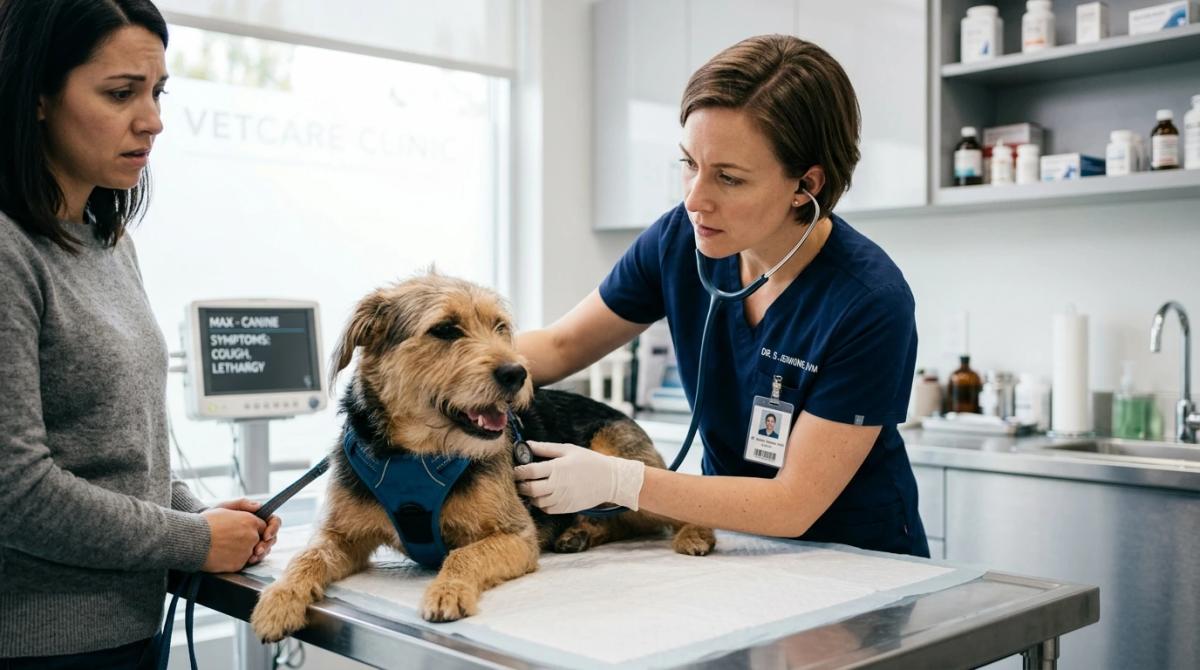
Table Of Contents
If you frequent dog parks, daycare centers, or even just walk your dog in a crowded urban neighborhood, there is a good chance you will eventually encounter Canine Infectious Respiratory Disease Complex (CIRDC). More commonly known as "kennel cough," this highly contagious respiratory syndrome is one of the most frequent health issues active dogs face.
While the phrase "kennel cough" implies a disease caught while boarding, the veterinary community is actively moving away from this term. Today, dogs are just as likely to contract the illness at a groomer, a training class, or a local indoor dog park or daycare facility.
As a pet parent, understanding the symptoms, knowing when to seek veterinary care, and practicing good dog park etiquette are critical to keeping your dog and your local canine community safe.
Disclaimer: The information provided in this guide is for educational purposes only and does not substitute for professional veterinary advice. Always consult your veterinarian if you suspect your dog is ill.
What is Kennel Cough (CIRDC)?
CIRDC is not caused by a single virus or bacteria. It is a "complex," meaning it can be caused by a wide variety of interacting pathogens.
When your dog inhales these pathogens, they attack the cilia (the tiny, hair-like structures) lining the respiratory tract. This causes inflammation of the upper airways, leading to the irritation and severe coughing that characterizes the disease.
The most common viral culprits include:
- Canine Parainfluenza Virus
- Canine Adenovirus Type 2
- Canine Respiratory Coronavirus
The most common bacterial culprit is:
- Bordetella bronchiseptica
Because multiple organisms can cause the exact same symptoms, a clinical diagnosis of "kennel cough" is usually made based on the symptoms and the dog's recent social history, rather than running expensive PCR tests to identify the specific microscopic pathogen.
The Most Common Symptoms of Kennel Cough
The incubation period for CIRDC is typically 2 to 14 days. If your dog visited a crowded park on a Saturday, they might not show signs until the following Thursday.
The symptoms are usually acute and easily recognizable:
1. The "Goose Honk" Cough
The hallmark sign of kennel cough is a loud, persistent, hacking cough. It often sounds dry and raspy, and many pet parents describe it as sounding like a "goose honk."
2. Gagging and Retching
Coughing fits are frequently followed by a gagging or terminal retch. Your dog may cough aggressively and then hack up a small amount of white, frothy phlegm or foam. Many owners rush their dog to the vet believing the dog is vomiting or choking. If the "vomiting" is actually white foam produced immediately after a coughing fit, it is almost certainly respiratory.
3. Mild Lethargy
Your dog may seem slightly less energetic than usual, preferring to sleep rather than play. However, in mild cases, dogs often remain bright, alert, and entirely normal aside from the horrific-sounding cough.
4. Sneezing and Nasal Discharge
Some dogs will exhibit upper respiratory signs like sneezing, a runny nose, or watery eyes.
🌧️ Extreme Weather Dog Safety & Indoor Play Guide
Don't let scorching summer pavement or freezing winter storms compromise your dog's physical health and mental happiness. Get our comprehensive survival guide delivered instantly.
When to Worry: If the nasal discharge turns from clear to thick green or yellow (mucopurulent), or if your dog entirely stops eating, develops a high fever, or struggles to breathe, you must see a veterinarian immediately. This can indicate that the mild upper respiratory infection has progressed into pneumonia.
Treatment Guidelines for 2026
If your dog develops a hacking cough, the first step is to isolate them immediately. Do not take them to the pet store, the groomer, or the dog park.
Next, call your veterinarian. Depending on the severity of the symptoms, they will advise one of two paths:
1. Supportive Care (Mild Cases)
Because CIRDC is most often viral, antibiotics are completely ineffective against the root cause of many cases. For mild presentations where the dog is eating, drinking, and active, the infection is self-limiting. It will resolve on its own in 7 to 14 days, much like a human cold.
Your vet may prescribe a cough suppressant (like hydrocodone or butorphanol) simply to keep the dog comfortable and allow both you and the dog to sleep through the night.
2. Antimicrobial Therapy (Moderate to Severe Cases)
If the veterinarian suspects a bacterial component either as the primary cause (like Bordetella) or as a secondary infection capitalizing on the weakened immune system they will prescribe antibiotics.
Doxycycline is widely considered the first-line antibiotic for treating canine respiratory infections. You must administer the entire course of antibiotics exactly as prescribed, even if the dog stops coughing after three days.
Note: Never give your dog over-the-counter human cough medicine without explicit instructions and dosing from your veterinarian, as many human medications contain xylitol or other ingredients highly toxic to dogs.
Prevention and Dog Park Safety
You cannot bubble-wrap your dog, but you can significantly reduce their risk of contracting and spreading respiratory illnesses.
Vaccination is Critical
Vaccines are your first line of defense. Ensure your dog is up to date on their core DHPP (Distemper, Hepatitis/Adenovirus, Parainfluenza, Parvovirus) vaccine.
If your dog is socially active, the non-core Bordetella vaccine is mandatory. Many premium facilities require it to be updated every 6 months rather than annually. Some regions also highly recommend the Canine Influenza (CIV) vaccine.
It is important to understand that vaccines do not provide "sterilizing immunity." A vaccinated dog can still catch kennel cough, but the vaccine drastically reduces the severity of the symptoms and prevents the disease from progressing to fatal pneumonia.
Dog Park Etiquette
- Do not share water bowls. Fomites (contaminated objects) are a major vector for disease. Bring your own collapsible bowl and water bottle. This is also a great way to prevent the spread of intestinal parasites, which you can read about in our guide: Giardia in Dogs: What You Need to Know.
- Monitor your dog's health. If your dog coughed even once this morning, cancel your trip to the park.
- Avoid overcrowding. If the park is shoulder-to-shoulder with dogs, the viral load in the air is high. Come back later.
Comparing Common Dog Park Health Risks
Respiratory infections are just one hazard of highly social canine environments. Here is a quick comparison of common ailments to help you monitor your dog's health.
| Condition | Primary Symptom | Transmission Method | Preventative Measure |
|---|---|---|---|
| Kennel Cough (CIRDC) | Hacking "goose honk" cough | Airborne droplets, shared toys | Bordetella & Parainfluenza Vaccines |
| Canine Influenza (CIV) | High fever, severe lethargy, cough | Airborne, highly contagious | Bivalent CIV Vaccine |
| Giardia | Persistent, foul-smelling diarrhea | Fecal-oral, contaminated standing water | Avoid communal puddles and mud |
| Heatstroke | Excessive panting, collapse | Environmental exposure | Read our Heat Safety Guide |
| Yeast Infection (Paws) | Fritos smell, excessive paw licking | Moisture trapped in paw pads | Read our Yeast Infection Guide |
Conclusion
Hearing your dog hack and gag is terrifying, but in the vast majority of cases, Kennel Cough is a mild, self-limiting inconvenience. By keeping your dog's vaccinations up to date, practicing good hygiene at the dog park, and immediately isolating your dog at the first sign of a cough, you play a vital role in keeping your local canine community healthy and thriving.