Can Dogs Have Watermelon? Everything You Need to Know

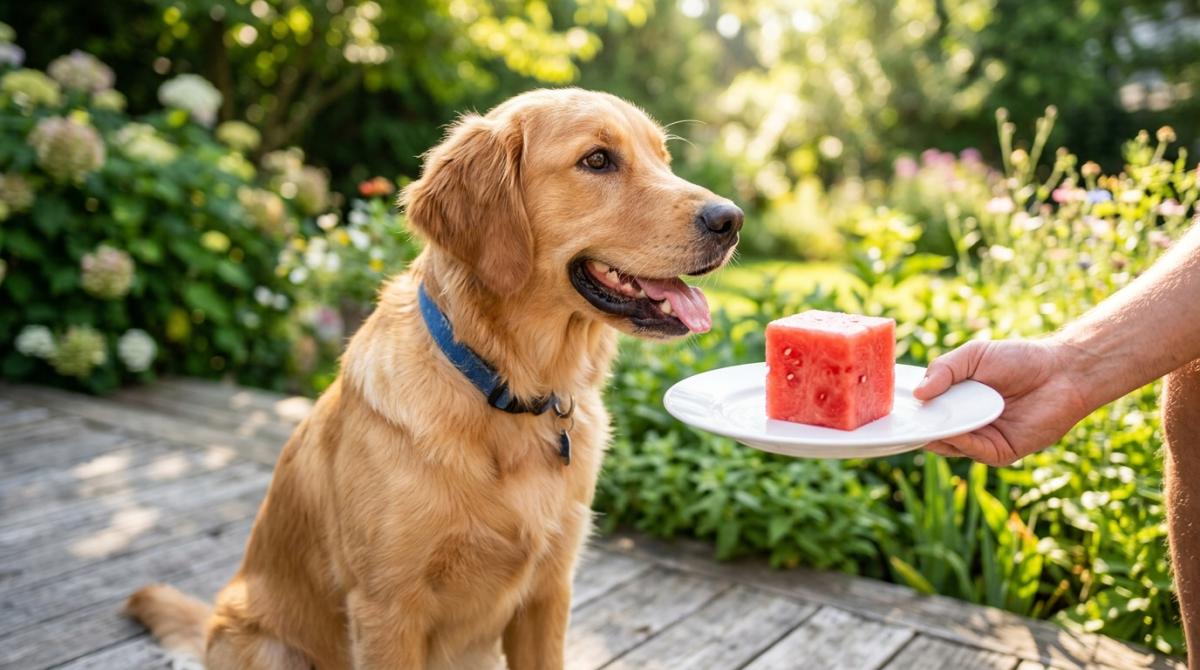
Table Of Contents
Summer is in full swing, you’re enjoying a refreshing slice of juicy watermelon, and suddenly, you feel a pair of eyes staring at you. Your dog is giving you "the look," and you find yourself wondering: Can dogs have watermelon?
The short answer is a resounding YES! Watermelon is not only safe for dogs, but it’s also a highly nutritious and refreshing treat, especially on a hot day. Before heading outside, always review Summer Dog Heat Safety protocols to ensure it's not too hot for your pup!
However, before you toss a slice to your furry best friend, there are a few important rules you need to follow. While the juicy pink flesh is perfectly safe, other parts of the watermelon can pose serious health risks to your pup.
Here is everything you need to know about safely feeding watermelon to your dog, backed by veterinary insights on fruits and vegetables dogs can eat.
The Health Benefits of Watermelon for Dogs
When given in moderation, watermelon is a fantastic healthy alternative to store-bought treats. Here’s why it’s such a great snack:
- Hydration Hero: Watermelon is roughly 92% water. Offering a few cubes after a long summer walk is an excellent way to help prevent dehydration and fight off heatstroke in dogs.
- Packed with Vitamins: This fruit is a nutritional powerhouse, loaded with Vitamin A (essential for healthy vision and skin), Vitamin B6 (supports healthy brain function), and Vitamin C (boosts the immune system). Providing these essential vitamins naturally through whole foods is a great boost for their diet.
- Low in Calories and Fat-Free: If you are trying to help your dog lose weight and using our Dog Exercise Calculator to track their activity, watermelon is a guilt-free reward. It contains no fat or cholesterol and is very low in calories.
- Rich in Potassium: Potassium helps support healthy muscle and nerve function in dogs.
The Dangers: When is Watermelon Bad for Dogs?
While the flesh of the fruit is a superfood, you should never let your dog eat a whole slice off the rind. Here is what you need to avoid:
Can Dogs Eat Watermelon Seeds?
No. While accidentally swallowing one or two small, white (immature) seeds likely won't harm a large dog, the hard black seeds are a hazard. If a dog eats too many seeds, they can cause a severe intestinal blockage. The ASPCA warns that swallowing indigestible items is a leading cause of emergency vet visits. This is especially dangerous for small breeds. To be safe, it is always best to buy seedless watermelon or meticulously pick the seeds out before sharing.
Can Dogs Eat Watermelon Rind?
No. The tough, green outer rind of the watermelon is extremely difficult for a dog’s digestive system to break down. Eating the rind can cause severe gastrointestinal upset, leading to vomiting (if this happens, see our guide on why dogs throw up foam) and diarrhea. In worst-case scenarios, swallowing chunks of the rind can cause a life-threatening intestinal blockage that requires surgery.
🌧️ Extreme Weather Dog Safety & Indoor Play Guide
Don't let scorching summer pavement or freezing winter storms compromise your dog's physical health and mental happiness. Get our comprehensive survival guide delivered instantly.
The Sugar Factor
Watermelon contains natural sugars. While fine for healthy dogs, too much sugar can cause stomach upset. Always consult with your veterinarian before introducing sweet fruits into their diet, especially if they have an underlying health condition.
How to Safely Prepare Watermelon for Your Dog
To keep treat time safe and fun, follow these simple steps:
- Wash the outside: Even though you are removing the rind, washing the melon prevents pesticides or bacteria from transferring to the fruit when you cut into it.
- Remove the rind and seeds: Cut away all the green and white rind, and ensure no black seeds remain.
- Cut into bite-sized pieces: Chop the red flesh into small, manageable cubes appropriate for your dog's size to prevent choking.
- Serve in moderation: Treats, including healthy snacks like watermelon or sweet potatoes, should never make up more than 10% of your dog's daily caloric intake according to the Tufts Clinical Nutrition 10% Rule.
Fun & Easy Watermelon Treat Recipes
Want to elevate your dog’s treat game? Try these easy, dog-approved recipes:
- Frozen Watermelon Cubes: The simplest recipe of all! Just pop your seedless watermelon cubes into the freezer for a couple of hours for a crunchy, icy treat.
- Watermelon Pupsicles: Blend chunks of seedless watermelon with a spoonful of plain, unsweetened Greek yogurt (make sure it contains absolutely no xylitol, which is highly toxic). Pour the mixture into ice cube trays or silicone paw molds and freeze.
- The Stuffed Kong: Mash up some watermelon and mix it with a little dog-safe peanut butter. Stuff the toy and freeze it for a long-lasting enrichment activity while you are away.
Frequently Asked Questions
How much watermelon can a dog have? It depends on the size of your dog. A small dog (like a Chihuahua) might only need one or two small cubes, while a large dog (like a Golden Retriever) can safely enjoy a small handful. Start with a tiny amount to see how their stomach reacts.
Can dogs have watermelon juice? Yes, but only if you blend the fresh watermelon yourself. Never give your dog store-bought watermelon juice, as it usually contains added sugars, preservatives, or artificial sweeteners. The FDA has issued strong warnings regarding artificial sweeteners and dogs.
Can puppies eat watermelon? Yes, puppies can enjoy watermelon! However, puppies have very sensitive stomachs. Introduce it very slowly—just one tiny piece at first—to ensure it doesn't give them diarrhea.
What other fruits are safe for dogs? If your dog loves watermelon, they might also enjoy other safe fruits like apples (without the core), blueberries, and bananas. But remember, not everything in your pantry is safe! Check out our ultimate guide on what fruits dogs can eat for a full list of safe and toxic options.
The Verdict
Sharing a sweet, juicy piece of watermelon with your dog is a great way to bond and keep them cool during the dog days of summer. Just remember the golden rule: Flesh is fine, but ditch the seeds and the rind!