Giardia in Dogs: Symptoms, Treatment, and Prevention Guide

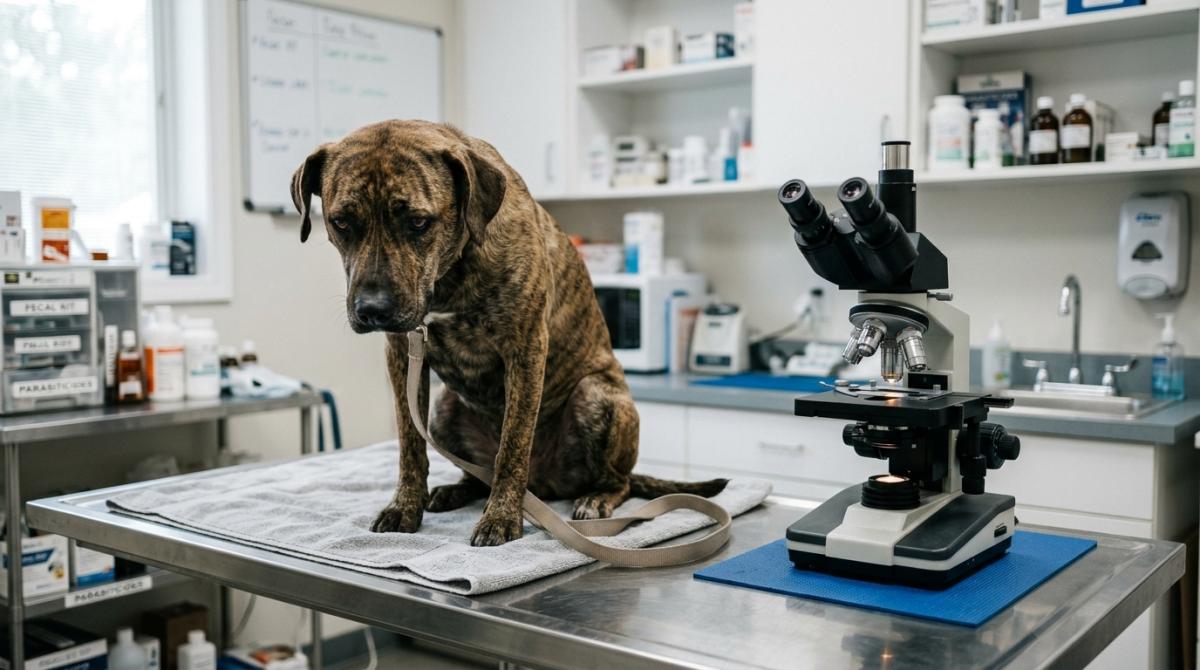
Table Of Contents
Medical Disclaimer: The information in this article is for educational purposes only and does not substitute for professional veterinary advice. If your dog is experiencing severe diarrhea, vomiting, or lethargy, contact your veterinarian immediately.
If you frequently take your dog to local trails, outdoor dog parks, or even just around your neighbourhood after a heavy rainstorm, you need to be aware of one of the most common—and frustrating—intestinal parasites in the canine world: Giardia.
According to data from the Companion Animal Parasite Council (CAPC) and the Centers for Disease Control and Prevention (CDC), Giardia is incredibly prevalent across the United States. In this article, we will break down exactly what Giardia is, how dogs catch it (especially in communal spaces like dog parks), the tell-tale symptoms, and how to effectively treat it.
As a dedicated resource for dog owners, we are committed to providing the most accurate, medically sound, and rigorously researched information possible. For more information on our editorial guidelines, please visit our About Us page, or reach out to our team via our Contact page.
What is Giardia?
Despite what many pet parents believe, Giardia is not a worm, a bacteria, or a virus. It is a microscopic, single-celled protozoan parasite that infects the intestines of dogs, cats, humans, and various other mammals.
The Two Life Stages of Giardia
To understand how Giardia spreads and why it is so difficult to eradicate, you must understand its unique, two-stage life cycle:
- The Trophozoite Stage: This is the active, feeding stage of the parasite. Once inside your dog's intestines, the trophozoites attach to the intestinal wall. They feed, multiply rapidly, and cause the severe inflammation that leads to the primary symptom: diarrhea.
- The Cyst Stage: As the parasites move down the digestive tract, they encase themselves in a hard, incredibly durable shell, becoming cysts. These cysts are then passed in the dog's feces into the environment. The cyst stage is the infectious stage.
How Do Dogs Get Giardia?
Giardia cysts are incredibly hardy. They can survive in the environment—particularly in cool, moist areas—for several months. This makes transmission notoriously easy in areas with high canine traffic.
1. Contaminated Water Sources
This is perhaps the most common route of infection. When an infected dog defecates near a puddle, a pond, or a stream, rain washes the infectious cysts into the water. If your dog drinks from that communal puddle, they ingest the cysts and become infected. If you notice your dog excessively seeking out water to drink on walks, be sure to read our guide: Why is my dog drinking a lot of water?
2. Coprophagia (Eating Feces)
It is an unpleasant reality of dog ownership, but many dogs will ingest the feces of other animals. If they consume feces containing Giardia cysts, they will contract the parasite.
3. Grooming Contaminated Fur
If your dog rolls in contaminated soil or plays in a muddy dog park where cysts are present, the cysts can stick to their fur. When the dog returns home and grooms themselves by licking their paws or coat, they ingest the cysts.
4. Communal Dog Parks
Because Giardia is spread through the fecal-oral route, high-traffic areas like public dog parks carry a higher risk of transmission. This is a primary reason why premium indoor dog facilities strictly monitor sanitation and require proof of health. For example, if you visit the spaces mentioned in our guide to the Top 5 Best Indoor Dog Parks in Memphis, you will notice rigorous cleaning protocols designed specifically to kill cysts and prevent outbreaks.
Symptoms of Giardia in Dogs
Interestingly, the CDC and AVMA note that many adult dogs with healthy immune systems can carry Giardia without ever showing a single symptom. These asymptomatic carriers can silently shed cysts into the environment for months.
However, when symptoms do occur, most commonly in puppies, senior dogs, or dogs with compromised immune systems, they primarily affect the gastrointestinal tract.
The Tell-Tale Signs:
- Acute Diarrhea: The most common symptom is sudden, severe diarrhea. The stool is often very soft, watery, pale in color, and exceptionally foul-smelling.
- Mucus or Blood in Stool: Due to the inflammation of the intestinal wall, you may notice a greasy appearance to the stool, often coated in mucus. Occasionally, specks of blood may be visible.
- Vomiting: While less common than diarrhea, some dogs will vomit or exhibit signs of nausea (like excessive lip smacking or drooling).
- Weight Loss and Lethargy: Because the parasite damages the intestinal lining, the dog cannot properly absorb nutrients from their food. Over time, this leads to unexplained weight loss and a severe drop in energy levels.
If your dog is exhibiting these signs, especially sudden lethargy, they may also be dealing with other hidden pain issues. For example, joint injuries can cause sudden behavioral shifts—learn more in our guide to TPLO Surgery in Dogs.
🌧️ Extreme Weather Dog Safety & Indoor Play Guide
Don't let scorching summer pavement or freezing winter storms compromise your dog's physical health and mental happiness. Get our comprehensive survival guide delivered instantly.
Diagnosing the Parasite
You cannot diagnose Giardia simply by looking at your dog's stool; the cysts are microscopic. If you suspect an infection, you must bring a fresh fecal sample to your veterinarian.
Veterinarians typically use two methods to diagnose the parasite:
- Fecal Floatation: The stool is mixed with a special solution that causes the Giardia cysts to float to the top, where they are collected on a slide and viewed under a microscope.
- ELISA Test: Because cysts are shed intermittently (meaning they aren't in every single bowel movement), a standard floatation can sometimes miss them. An ELISA (Enzyme-Linked Immunosorbent Assay) test detects the specific antigens (proteins) produced by the Giardia parasite, making it highly accurate even if cysts are not currently shedding.
Treatment Protocols
If your dog tests positive for Giardia, do not panic. It is highly treatable, though it does require strict adherence to your vet's protocols.
1. Prescription Medications
There is no over-the-counter cure for Giardia. Your veterinarian will typically prescribe a course of Fenbendazole (a broad-spectrum dewormer, often given for 3 to 5 days) or Metronidazole (an antibiotic and anti-diarrheal medication, often given for 5 to 7 days). In stubborn cases, both medications may be used simultaneously.
2. Dietary Support
Because the intestines are severely inflamed, your vet may recommend a temporary bland diet (like boiled chicken and white rice) or a prescription gastrointestinal diet to help firm up the stool.
3. Environmental Decontamination
Medication will kill the parasites inside your dog, but if you do not decontaminate your environment, your dog will simply ingest the cysts lingering in your home or yard and become reinfected.
- Bathing: You must bathe your dog, especially around their hindquarters, on the last day of their medication to wash away any cysts clinging to their fur.
- Sanitizing: Wash all dog beds, blankets, and plush toys in hot water and dry them on high heat. Wash food and water bowls daily in the dishwasher.
- Yard Management: Pick up feces immediately and dispose of it. Do not let your dog return to the same muddy areas of the yard where they previously defecated.
Comparing Canine Digestive Issues
It is easy to confuse Giardia with other common digestive problems. Use this table as a quick reference guide, but always defer to your veterinarian for a final diagnosis.
| Condition | Primary Cause | Key Symptoms | Treatment Approach |
|---|---|---|---|
| Giardia | Protozoan Parasite (Contaminated water/feces) | Pale, greasy, foul-smelling diarrhea with mucus; intermittent shedding. | Prescription Fenbendazole or Metronidazole; strict environmental cleaning. |
| Dietary Indiscretion ("Garbage Gut") | Eating spoiled food, trash, or sudden diet changes | Sudden vomiting and diarrhea; resolves quickly once offending food is passed. | Bland diet (chicken/rice); fasting for 12-24 hours; probiotics. |
| Canine Parvovirus (Parvo) | Highly contagious virus (often affects unvaccinated puppies) | Severe, bloody diarrhea; extreme lethargy; severe vomiting; rapid dehydration. | EMERGENCY veterinary care; IV fluids; anti-nausea meds; strict isolation. |
| Yeast Infection (Systemic/Skin) | Fungal overgrowth due to allergies or moisture | Intense itching, ear infections, paw licking, distinct "Fritos" odor. | Anti-fungal shampoos/meds. (See our guide to yeast infections). |
Can Humans Catch Giardia from Dogs?
This is a common and valid concern for pet parents. Giardia is a zoonotic disease, meaning it can technically be transmitted between animals and humans.
However, according to the CDC, the risk of a human contracting Giardia directly from their dog is incredibly low. This is because the specific strains (called "assemblages") of Giardia that typically infect dogs (Assemblages C and D) are different from the strains that typically infect humans (Assemblages A and B).
While the risk is low, it is not zero. Individuals with compromised immune systems, the elderly, and very young children should take extra precautions. Always practice strict hand hygiene—wash your hands thoroughly with soap and warm water after handling your dog's feces, cleaning their toys, or petting their hindquarters during an active infection.
Prevention at the Dog Park
You cannot completely sterilize the outdoor world, but you can significantly reduce your dog's risk of contracting Giardia:
- Bring Your Own Water: Never let your dog drink from communal park bowls, stagnant puddles, or slow-moving streams. Always pack a collapsible travel bowl and fresh tap water.
- Pick Up Feces Immediately: Be a responsible owner and clean up after your dog immediately to prevent the spread of cysts.
- Wipe Their Paws: Keep a pack of pet-safe grooming wipes in your car. When you leave the park, thoroughly wipe down your dog's paws and legs so they cannot ingest cysts later while grooming themselves.
By understanding the risks and maintaining good hygiene habits, you can keep your dog healthy and happy during all their park adventures.