How to Choose the Right Antiseptic for Dog Tick Bites

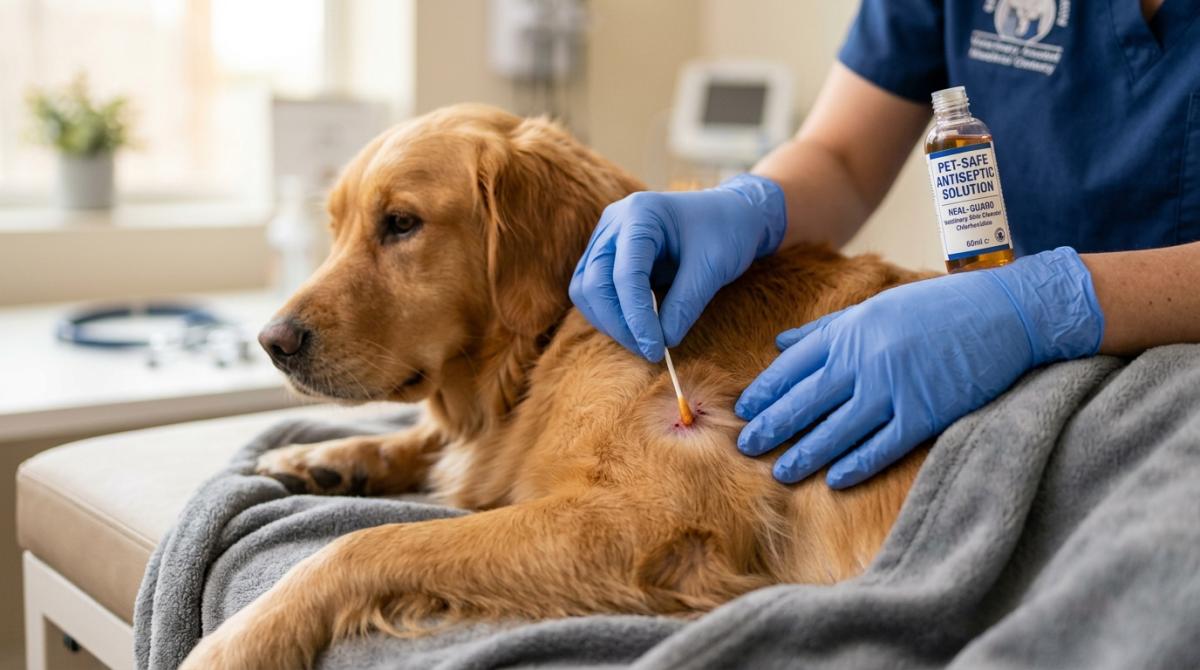
Table Of Contents
There’s nothing quite like the panic that sets in when you are gently petting your dog after a fun afternoon at your local indoor dog park, only to feel that dreaded, unexpected bump. You part their fur, and your fears are confirmed—it’s a tick.
As a responsible dog owner, your first instinct is to get the parasite off immediately. But what comes next? Once the tick is successfully removed, properly cleaning and disinfecting the bite area is crucial for your furry friend’s health and comfort. Applying the right antiseptic for dog tick bite wounds can help prevent secondary skin infections and provide you with peace of mind.
In this article, we will explore the safest veterinary-approved antiseptics, what you should never use, and how to monitor your dog's health after a bite.
Why Treating a Tick Bite Properly Matters
At Indoor Dog Park, we’ve experienced firsthand how quickly a minor tick bite can escalate into an inflamed, infected wound if not handled correctly. When a tick bites into your dog's skin, it creates a tiny puncture wound. This opening in the skin is highly susceptible to environmental bacteria, which can cause painful, localized skin infections—similar to how untreated allergies can escalate into a dog paw yeast infection.
Furthermore, ticks are notorious carriers of severe pathogens. According to the Centers for Disease Control and Prevention (CDC), infected ticks generally need to be attached for at least 24 to 48 hours to transmit bacteria such as Borrelia burgdorferi, which causes Lyme disease. Prompt removal followed by proper wound care minimizes your dog's risk of both tick-borne diseases and secondary bacterial infections.
Safe Antiseptic for Dog Tick Bite: What Vets Recommend
Not all antiseptics designed for humans are safe for our canine companions. Dogs have different skin pH levels, and they are prone to licking their wounds, meaning any topical treatment must be non-toxic. Here are the top veterinarian-recommended solutions for cleaning a dog tick bite:
1. Chlorhexidine Solution (The Gold Standard)
Chlorhexidine is widely considered the safest and most effective antiseptic for dogs. It is commonly used in veterinary clinics to flush wounds and prepare surgical sites. You can purchase it as a mild, over-the-counter solution or as a medicated wipe. It does an excellent job of killing bacteria without irritating your dog's delicate skin.
2. Povidone-Iodine (Betadine)
Another staple in veterinary care is Povidone-Iodine, often recognized by the brand name Betadine. It is highly effective at disinfecting minor wounds. When using iodine at home, it should be diluted with water until it resembles the color of weak iced tea. Apply it gently with a cotton ball to the bite site.
3. Mild Soap and Warm Water (The Gentle Approach)
If you don't have pet-safe antiseptics on hand, don't panic. Gently washing the area with a mild, unscented antibacterial soap and warm water is incredibly effective. It flushes away debris and bacteria without stinging or causing tissue damage.
🌧️ Extreme Weather Dog Safety & Indoor Play Guide
Don't let scorching summer pavement or freezing winter storms compromise your dog's physical health and mental happiness. Get our comprehensive survival guide delivered instantly.
4. Over-the-Counter Antibiotic Ointment
After disinfecting the area, you can apply a tiny, thin layer of an over-the-counter triple antibiotic ointment (like Neosporin). However, it is vital to ensure your dog does not lick it off, as ingesting large amounts of these ointments can cause gastrointestinal upset, potentially causing your dog to throw up white foam or experience diarrhea.
What NOT to Put on a Dog Tick Bite
While it's important to know what to use, knowing what to avoid is equally critical. There are many "old wives' tales" regarding tick removal and wound care that can actually put your dog in greater danger.
- Never use irritants on an attached tick: Do not apply rubbing alcohol, petroleum jelly, nail polish, or a hot match to a tick that is still attached to your dog. According to the American Veterinary Medical Association (AVMA), these irritants can cause the tick to regurgitate infected saliva into your dog's bloodstream, rapidly increasing the risk of disease transmission.
- Avoid Hydrogen Peroxide: While it used to be a staple in first-aid kits, hydrogen peroxide is no longer recommended by veterinarians for regular wound care. It is too harsh and actually destroys healthy tissue, which delays the healing process.
Step-by-Step: How to Clean a Tick Bite on Your Dog
Taking the right steps immediately can save you a trip to the vet later. Whether you just returned from exploring a dog-friendly park or were hiking in the woods, follow this simple protocol:
- Remove the Tick Safely: Use fine-tipped tweezers or a specialized tick-removal tool. Grasp the tick as close to your dog's skin as possible and pull straight upward with steady, even pressure.
- Clean the Area: Once the tick is completely removed (ensure the head is not left behind), use your chosen pet-safe antiseptic, or soap and warm water, to gently swab the bite radius.
- Apply Ointment (Optional): Dab a minuscule amount of pet-safe antibacterial ointment on the site.
- Monitor the Site: It is entirely normal for a small, firm, localized bump to form. This is a standard immune response and can last for a couple of weeks.
Visual Guide: Safe vs. Unsafe Antiseptics
To help you make the best choice in a pinch, we've compiled this quick reference table:
| Antiseptic Treatment | Status | Notes |
|---|---|---|
| Chlorhexidine | Highly Recommended | Non-stinging, highly effective, safe for pets. |
| Betadine (Diluted) | Safe | Must be diluted; great for disinfecting puncture wounds. |
| Soap & Warm Water | Safe | The best immediate household solution. |
| Hydrogen Peroxide | Not Recommended | Damages healthy tissue and delays wound healing. |
| Rubbing Alcohol | Use with Caution | Stings heavily; never use while the tick is still attached. |
When to Visit Your Local Vet
Even with the best at-home care, complications can arise. Since symptoms of tick-borne diseases like Lyme disease or Ehrlichiosis can take anywhere from a few weeks to up to five months to appear, you need to stay vigilant. Especially during the warmer months, reviewing our summer dog heat safety guide alongside tick checks is a great preventative measure.
Contact your local veterinarian if you notice:
- The bite site becomes increasingly red, swollen, or starts oozing pus.
- Your dog develops a fever, becomes unusually lethargic, or develops a sudden cough.
- Your dog exhibits sudden joint pain, stiffness, or you need to take them to the vet for limping.
If you are ever uncomfortable removing a tick yourself, don't hesitate to reach out to a professional. Need more tips on keeping your dog safe during outdoor (or indoor!) play? Feel free to Contact Us with your questions or explore more resources on our blog.
Disclaimer: The information provided in this article is for educational purposes only and does not substitute professional veterinary advice. Always consult with a licensed veterinarian for the health and safety of your pet.