Understanding IVDD in Dogs: Symptoms, Causes, and Care

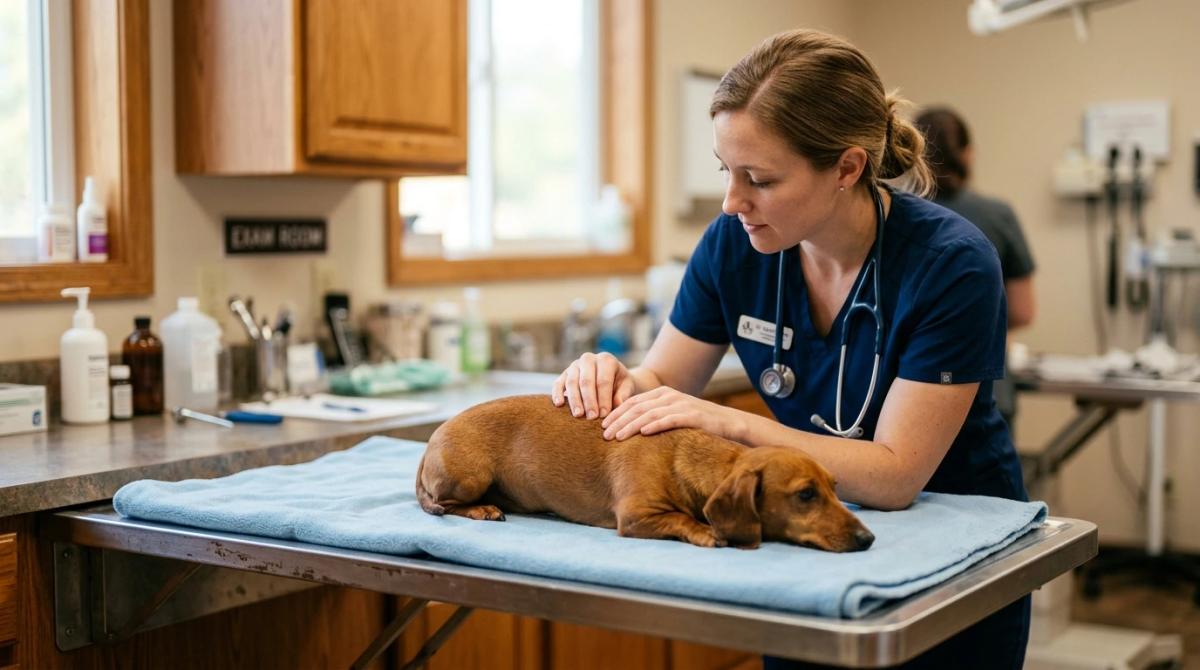
Table Of Contents
You call your dog up to the couch, but instead of their usual energetic leap, they hesitate, whimper, and refuse to jump. Or perhaps you’ve noticed them dragging their back paws slightly while walking. While your first instinct might be to assume they just pulled a muscle or consult a guide on when to visit the vet for dog limping, these can actually be the early warning signs of a devastating spinal condition known as Intervertebral Disc Disease (IVDD).
IVDD in dogs is a painful, progressive condition that affects the spinal cord, and it is one of the most common neurological disorders seen in veterinary medicine. If left untreated, it can lead to permanent paralysis.
Whether you own a high-risk breed, are taking them to puppy socialization classes for the first time, or just want to be prepared for the future, here is everything you need to know about IVDD, from early detection to treatment and recovery.
What is IVDD in Dogs?
To understand IVDD, you have to understand a dog's spine. A dog’s spinal column is made up of individual bones called vertebrae. Between each vertebra is a cushion-like disc (the intervertebral disc) that acts as a shock absorber.
According to the American Kennel Club (AKC), IVDD occurs when these shock-absorbing discs harden, bulge, or completely rupture (herniate) into the spinal canal. When a disc herniates, it presses aggressively against the spinal cord. This severe compression causes extreme pain, nerve damage, and loss of motor function in the legs.
Which Breeds are Most at Risk?
While any dog can suffer a spinal injury during rough play at an indoor dog park, IVDD is overwhelmingly genetic. It most commonly affects chondrodystrophic breeds—dogs selectively bred to have disproportionately short legs and long backs.
The breeds at the highest risk for IVDD include:
🌧️ Extreme Weather Dog Safety & Indoor Play Guide
Don't let scorching summer pavement or freezing winter storms compromise your dog's physical health and mental happiness. Get our comprehensive survival guide delivered instantly.
- Dachshunds (Account for the vast majority of IVDD cases)
- French Bulldogs
- Corgis
- Beagles
- Basset Hounds
- Shih Tzus
Early Warning Signs: When to Visit the Vet
When dealing with IVDD, time is of the essence. Waiting even 24 hours to see if they "get better" can be the difference between a full recovery and permanent paralysis. The signs of IVDD are distinctly neurological. Look out for:
- Refusal to jump: Hesitating to jump on furniture or go up/down stairs.
- Hunched posture: Walking with a severely arched or hunched back and a tucked tail.
- Crying out in pain: Yelping when picked up, specifically around the chest or abdomen. Pain or stress can sometimes cause nausea; if your dog is also throwing up white foam, contact your vet immediately.
- Knuckling: Dragging the top of their back paws on the ground when they walk.
- Loss of bowel/bladder control: A sign of severe spinal compression.
If you notice any of these signs, treat it as an absolute emergency. Confine your dog to a small crate immediately so they cannot move their spine, and carefully transport them in a secure carrier (review our guide on dog cages in cars and safety standards for transport tips).
Treatment Options for IVDD
Treatment depends entirely on the severity of the spinal compression.
Conservative Management (Stages 1 - 2)
For mild cases, vets often prescribe "conservative management." This involves aggressive anti-inflammatory medications, muscle relaxers, and strict crate rest for 4 to 8 weeks. Strict crate rest means the dog is confined to a cage 24/7. During this time, they may become frustrated and act out, requiring strict boundary setting similar to managing resource guarding.
Surgical Intervention (Stages 3 - 5)
If a dog is losing the ability to walk, surgery is usually required. According to VCA Animal Hospitals, a veterinary neurologist will perform a surgery to remove the ruptured disc material.
Life After IVDD: Recovery and Prevention
Whether your dog recovers via crate rest or surgery, their lifestyle will need to change permanently.
- No More Jumping: You must invest in ramps for all furniture. High-impact jumping is strictly forbidden.
- Weight Management: Keeping your dog lean is critical. Extra weight puts strain on a fragile spine. Use our Dog Exercise Calculator to formulate a low-impact routine, and consider high-quality nutrition like Acana Classics Dry Dog Food or adding healthy, fiber-rich treats like sweet potatoes to keep them full without gaining weight.
- Harnesses over Collars: Always walk an IVDD-prone dog on a harness to avoid pulling on their neck spine. We highly recommend checking out our Lucy & Co Hands-Free Rope Leash review for excellent low-impact walking setups.
- Controlled Play: While socialization is important, be incredibly careful at local dog parks. As noted in our guide to 10 things every owner must know at the dog park, large, rowdy dogs can easily injure a small dog with a fragile back. Always adhere strictly to dog-friendly park safety rules and stick to small-dog enclosures.
- Hydrotherapy: Once cleared by your vet, swimming is the best physical therapy for IVDD survivors. Consider looking for canine aquatic centers or dog water parks that offer controlled swimming environments.
The Verdict
An IVDD diagnosis is terrifying for any pet parent. However, with prompt veterinary care, strict resting protocols, and safe lifestyle adjustments, the vast majority of dogs go on to live long, happy, and pain-free lives.